
Starbase Texas Incorporation: A New Frontier in Corporate Governance and Investment Risks
The incorporation of Starbase, Texas—a municipality dominated by Elon Musk’s SpaceX—has ignited a firestorm of debate over corporate power, environmental stewardship, and the future of space exploration. With a landslide vote of 212 to 6 on May 4, 2025, the new city’s creation marks a pivotal moment for investors to assess risks and opportunities in a landscape where corporate influence meets public interest.
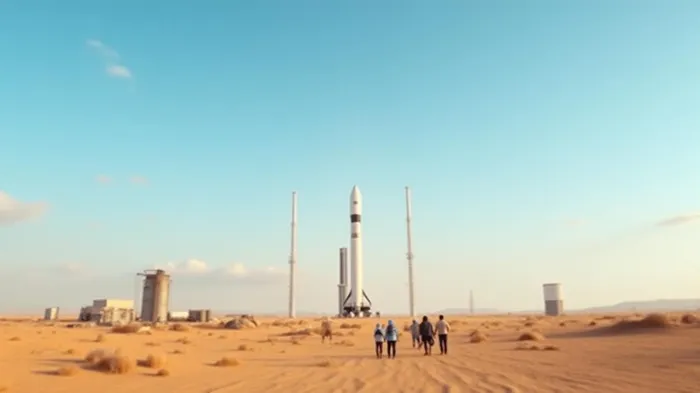
The Event: A Landmark Vote for Corporate Autonomy
The Starbase incorporation vote, held between April 28 and May 4, 2025, granted SpaceX’s 500 residents (mostly employees) control over zoning, taxation, and infrastructure. The new city, covering 1.6 square miles, now has the authority to streamline operations for SpaceX’s Starship rocket program, which aims to boost launches from 5 to 25 annually. This shift could reduce regulatory hurdles but raises alarms about environmental oversight.
Key Data Point: SpaceX faces a $150,000 fine from 2024 for wastewater dumping, and protests by Indigenous groups highlight concerns over habitat destruction.
Investment Implications: Growth vs. Governance Concerns
1. Corporate Efficiency Gains
The incorporation could accelerate SpaceX’s ambitions. By controlling local governance, the company may fast-track permits, expand launch infrastructure, and reduce operational costs. This aligns with Musk’s broader vision for Mars colonization and NASA’s lunar partnership.
While SpaceX isn’t publicly traded, Musk’s influence on Tesla (TSLA) and other ventures means his strategic moves reverberate across markets. Investors tracking TSLA’s stock—which has fluctuated amid regulatory scrutiny—should note Musk’s shifting priorities.
2. Environmental and Legal Risks
The Carrizo/Comecrudo Tribe and environmental groups argue that Starbase’s autonomy risks sidelining public access to Boca Chica Beach and stifling environmental accountability. A proposed Texas bill (failed in May 2025) sought to grant SpaceX’s mayor authority to close the beach during launches, a move opposed by Cameron County officials.
Expert Quote: “Starbase’s governance structure could lead to regulatory capture, where corporate interests override environmental protections,” warns Dr. Maria Gonzalez, a corporate governance scholar at the University of Texas.
3. Real Estate and Infrastructure Opportunities
The new city’s 247 residential lots—90% owned by SpaceX or employees—suggest limited housing expansion. However, investors in real estate or infrastructure firms might see openings for partnerships. SpaceX’s $20 million “Ad Astra” school and plans for denser housing could spur demand for local construction services.
The Broader Market Outlook
Starbase’s incorporation reflects a broader trend of corporations seeking autonomy to bypass regulatory hurdles. For investors, this raises questions about the sustainability of such models:
- Pro-Corporate Governance: Firms like SpaceX may thrive in environments with minimal oversight, attracting capital to sectors like aerospace.
- Reputational Risks: Public backlash over environmental harm or exclusion of local communities could damage brand value.
While traditional aerospace giants face stagnant growth, SpaceX’s dominance in reusable rockets and Mars plans positions it as a disruptor. However, its reliance on Musk’s vision and regulatory flexibility creates unique risks.
Conclusion: A Balancing Act for Investors
The Starbase incorporation is a double-edged sword. For investors in space tech or real estate, it signals growth potential in a sector poised to redefine transportation and exploration. Yet, the environmental and governance challenges underscore the need for vigilance.
Actionable Insight: Monitor SpaceX’s regulatory approvals (e.g., FAA launch permits) and public backlash metrics (e.g., protest frequency, tribal lawsuits). Investors in Musk-linked ventures should weigh Starbase’s operational advantages against the reputational and legal pitfalls of unchecked corporate power.
In the end, Starbase’s future hinges on whether Musk’s vision of a “company town” can coexist with environmental stewardship—a balancing act that will define both its success and investor confidence.

Stay ahead of the market.
Get curated U.S. market news, insights and key dates delivered to your inbox.


AInvest
PRO
AInvest
PRO



Comments
No comments yet