
Starbase Texas: A New Frontier in Corporate Governance or a Recipe for Conflict?
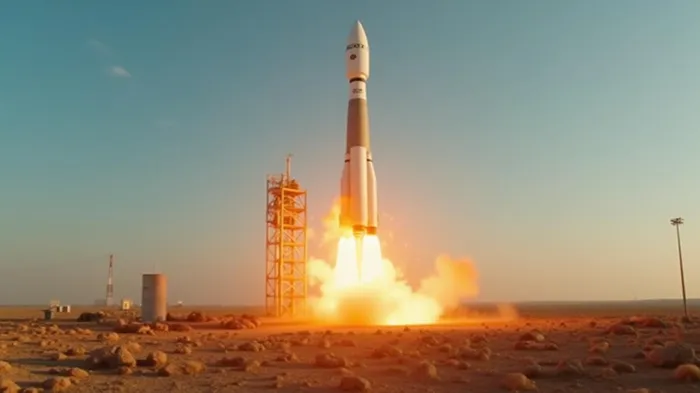
Lead: On May 3, 2025, SpaceX took a giant leap toward autonomy by securing the incorporation of its Texas launch site into a legally recognized city. But this milestone—achieved with 90% voter approval—has ignited a fierce debate over corporate power, environmental justice, and the limits of self-governance.
The Event That Shook South Texas
The election to incorporate Starbase as a Texas city marked a pivotal moment for SpaceX’s ambitions. With only 283 registered voters—over two-thirds of whom are SpaceX employees—the vote passed overwhelmingly, granting the company sweeping control over zoning, infrastructure, and public access to nearby Boca Chica Beach.
Key Data Point:
- 90% approval rate among voters, despite vocal opposition from environmental groups and local activists.
- “This isn’t just a city—it’s a corporate fortress,” declared Bekah Hinojosa of the South Texas Environmental Justice Network, criticizing the skewed electorate.
The Tug-of-War Over Governance
While the incorporation vote was a clear win for SpaceX, it faces immediate pushback from regulators and communities.
1. Environmental and Legal Hurdles
SpaceX’s plan to control Boca Chica Beach—a public resource—was rejected by the Texas legislature on April 29, 2025. The failed bill (SB 1920) aimed to transfer beach management rights to the new city, but lawmakers sided with opponents like the Carrizo Comecrudo Tribe, who argued it would restrict public access.
Critical Insight:
- Environmental lawsuits remain unresolved. A 2023 $175,000 EPA fine for Clean Water Act violations and a pending Clean Water Act lawsuit by Save RGV highlight ongoing risks.
- Federal scrutiny: The FAA has proposed a $633,000 fine for Falcon 9 launch violations, adding to cumulative penalties exceeding $6.3 million since 2020.
2. The “Company Town” Dilemma
Starbase’s incorporation underscores a broader trend: corporations leveraging local governance to bypass regulations. The city’s 1.5-square-mile footprint includes:
- 237 of 247 residential lots owned by SpaceX or its employees.
- A $20 million private school, “Ad AstraASTH--,” catering to worker families.
Quote from Cameron County Judge Eddie Treviño Jr. (May 2, 2025):
“Starbase’s autonomy doesn’t erase its obligations to the environment or the public. This is Texas—we don’t surrender our rights to a corporation.”
The Financial and Ethical Crossroads
SpaceX’s vision for Starbase hinges on its $137 billion Starship program, which requires scaling launches from 5 to 25 annually. But the path forward is fraught with risks:
- Regulatory Delays: FAA approval for Starship test flights remains pending, threatening contracts like NASA’s $2.9 billion Artemis program.
- Labor Challenges: A pending Supreme Court case (NLRB v. SpaceX) could redefine labor rights nationwide, impacting worker morale and costs.
- Public Perception: Elon Musk’s declining favorability (down 12% nationally since 2023) contrasts with his strong local influence, where Starbase workers see him as a “jobs hero.”
Conclusion: A Moonshot or a Misstep?
The incorporation of Starbase marks a landmark in corporate governance—but its success hinges on balancing ambition with accountability. Key takeaways:
- Financial Risk: SpaceX’s $4 billion investment in Starbase could pay off if FAA approvals accelerate, but fines and lawsuits could eat into margins.
- Environmental Stakes: Over 200,000 gallons of treated wastewater daily slated for Boca Chica Bay must meet EPA standards to avoid penalties exceeding $1 million.
- Geopolitical Impact: As Starbase becomes a launch hub for NASA and the U.S. military, its governance model could set precedents for private spaceports globally.
Actionable Outlook: Investors should monitor TSLA’s stock volatility as a proxy for Musk’s broader financial health, while tracking FAA approvals and Starship’s test flight success rate (currently 50% since 2023). The next six months will determine whether Starbase is a stepping stone to Mars—or a cautionary tale of unchecked corporate power.
Sources: Texas Newsroom, AP News, SpaceX filings, FAA records.

Stay ahead of the market.
Get curated U.S. market news, insights and key dates delivered to your inbox.






Comments
No comments yet