
Starbase Texas: A New City’s Ambition Meets Regulatory Crossroads
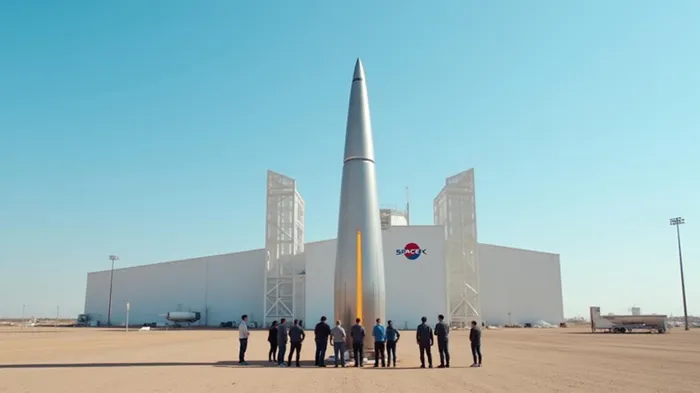
In the first week of May 2025, SpaceX’s Starbase facility in South Texas became the epicenter of a high-stakes battle between corporate ambition and regulatory reality. The culmination of years of development, the incorporation election of Starbase as a city on May 3, 2025, and concurrent regulatory hurdles highlighted the risks and rewards of Elon Musk’s vision for a space-focused “company town.” Here’s why investors must pay close attention.
The Birth of Starbase: A Self-Made City with a Mission
On May 3, SpaceX-backed voters overwhelmingly approved the incorporation of Starbase as a Type-C municipality, granting it autonomy over local governance. With 90% of the 283 registered voters—primarily SpaceX employees—supporting the move, the election marked a landmarkLARK-- shift. The new city, spanning 1.5 square miles, now has authority over zoning, infrastructure, and security.
Key quote: “This isn’t just about bureaucracy—it’s about enabling humanity’s next leap into space.” —Bobby Peden, newly elected mayor of Starbase and SpaceX employee.
Yet the victory came amid fierce opposition. Critics, including local activists and Cameron County officials, warned of loss of public beach access at Boca Chica and weakened environmental oversight. Proposed Texas legislation to grant Starbase control over beach closures had stalled earlier in the year, but the city’s incorporation retains the potential to reshape land-use policies.
Regulatory Crossroads: Fines, Lawsuits, and Launch Delays
While the election celebrated SpaceX’s progress, regulatory headwinds threaten to slow its pace. On April 24, the environmental group Save RGV dismissed a Clean Water Act lawsuit against SpaceX after the Texas Commission on Environmental Quality (TCEQ) issued a wastewater permit. But the truce was temporary: Save RGV’s Jim Chapman called it a “strategic pause,” and SpaceX still faces lawsuits over its planned discharge of 200,000 gallons of treated wastewater daily into Boca Chica Bay.
Meanwhile, the Federal Aviation Administration (FAA) has grown increasingly stringent. In April 2025, it proposed a $633,000 fine for Falcon 9 launch violations, adding to a $175,000 penalty in 2023. Cumulative fines since 2020 now exceed $6.3 million, with ongoing FAA delays in approving Starship test flights.
These penalties and delays hit SpaceX’s bottom line. The Starship program, valued at $137 billion (as of 2023), relies on scaling launches—from 5 to 25 annually—to meet contracts like NASA’s Artemis program. Each month of delay reduces its ability to secure high-margin government and commercial deals.
The Financial Tightrope: Growth vs. Accountability
Investors face a stark choice: back SpaceX’s moonshot or brace for regulatory and operational risks. While Starbase’s incorporation streamlines operations, the $4 billion invested in the facility hinges on overcoming hurdles like beach access disputes and environmental litigation.
Key data: - SpaceX employs over 3,000 workers in South Texas, boosting local GDP. - A failed Starship launch in March 2025 (Flight 8) underscored technical risks, though May’s static fire tests for Flight 9 signaled progress.
Yet the company’s labor practices remain under scrutiny. The NLRB’s ongoing challenge to SpaceX’s corporate structure—a case before the Supreme Court—could redefine labor rights nationwide, with ripple effects on workforce costs and morale.
Conclusion: Balancing Innovation and Oversight
Starbase’s incorporation is a double-edged sword. While it grants SpaceX the autonomy to accelerate space exploration, it also amplifies scrutiny of its environmental and governance practices. Investors must weigh two facts:
- Technical progress: The May 1 static fire tests for Flight 9 demonstrated engine reliability, a critical step toward orbital launches.
- Regulatory exposure: The $6.3 million in fines and unresolved lawsuits could eat into margins as SpaceX races to monetize Starship.
The path forward demands a delicate balance. If SpaceX can navigate permits, fines, and public backlash while advancing its launch cadence, Starbase could cement its status as a $137 billion bet on the future of space travel. Fail, and the project risks becoming a cautionary tale of ambition outpacing accountability.
For now, the stars—and the courts—are watching closely.

Stay ahead of the market.
Get curated U.S. market news, insights and key dates delivered to your inbox.


AInvest
PRO
AInvest
PRO



Comments
No comments yet