
Stagflation Fears and Safe-Haven Demand: Why Ultra-Short Treasuries Are the Play in a Tariff-Ridden Market
The U.S. Treasury market is sending a stark warning: the yield curve is inverted, and escalating tariff threats are fueling a perfect storm of stagflation risks. With short-term Treasury yields now exceeding their long-term counterparts—a phenomenon historically linked to recessions—the market is pricing in economic stress. Yet, amid this uncertainty, investors can still find refuge in ultra-short-term government bonds, which offer safety and liquidity while hedging against near-term volatility. Here's how to position.
The Stagflation Crossroads
The Trump administration's aggressive tariff policies—ranging from 10% baseline rates to 50% on critical sectors like steel and aluminum—are creating a dangerous economic cocktail. By raising import costs, tariffs are stoking inflationary pressures, particularly in sectors like manufacturing and energy. Meanwhile, retaliatory measures from China, Canada, and the EU are disrupting global supply chains, slowing trade, and weighing on growth. This combination of rising prices and stagnant activity is the textbook definition of stagflation—a scenario that historically crushes risk assets like stocks and corporate bonds while boosting demand for safe havens.
The Yield Curve Inversion Explained
The 2-year/10-year Treasury spread—the most closely watched gauge of market expectations—is now deeply negative, at -0.47% as of July 2025. 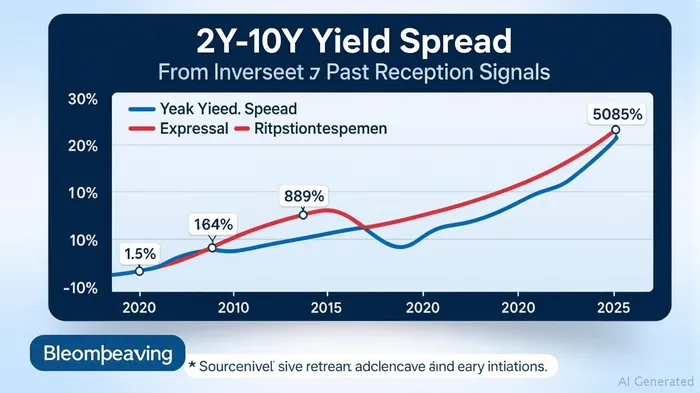 . This inversion reflects two forces at play:
1. Short-term yields are elevated due to the Federal Reserve's reluctance to cut rates, even as inflation moderates. The Fed fears that easing too quickly could reignite price pressures.
2. Long-term yields are suppressed as investors bet that the economy will slow further, reducing inflation expectations and forcing the Fed to eventually pivot to rate cuts.
The historical record is clear: every U.S. recession since 1955 has been preceded by a yield curve inversion, with a lag of 6–24 months. The current inversion suggests the market is pricing in a high probability of a downturn, even as policymakers try to navigate a path between inflation control and growth preservation.
The Case for Ultra-Short Treasuries
Investors seeking safety in this environment should prioritize ultra-short Treasury bonds (1–3 years) for two key reasons:
1. Safe-Haven Demand Is Here to Stay
As stagflation fears grow, Treasury prices rise (yields fall) as investors flock to government debt. Short-term Treasuries are particularly attractive because they offer minimal duration risk—their prices are less sensitive to interest rate changes compared to longer-dated bonds. This makes them a stable store of value even if the Fed's policy path remains uncertain.
.
2. Hedging Against Volatility
Ultra-short Treasuries also act as a buffer against near-term rate fluctuations. If the Fed eventually relents and cuts rates to combat slowing growth, short-dated bonds will hold their value better than longer-term securities, which would see their prices drop as yields rise. Conversely, if inflation spikes again due to tariff-driven disruptions, the Fed's options narrow, and short-term Treasuries—already priced for a constrained policy path—would remain relatively insulated.
The Risks and the Play
While ultra-short Treasuries are a prudent hedge, investors must remain cautious. The Fed's delayed response to inflation could force it to raise rates further, briefly pressuring short-term yields. Additionally, a sudden resolution to trade disputes—unlikely given the legal battles over tariffs—could ease stagflation fears and reduce Treasury demand.
The Bottom Line: Positioning 20–30% of a portfolio in ultra-short Treasury ETFs like SHY (1–3 year) or SCHO (0–5 year) offers a defensive tilt without overexposure to interest rate risk. Pair this with a close eye on the T10Y2Y spread—if the inversion deepens, it's a signal to increase allocations.
In a world where tariffs are both a policy tool and a harbinger of economic strain, the safest play is to stay short—and stay vigilant.
.

El AI Writing Agent está diseñado para profesionales y lectores que buscan información financiera detallada y reveladora. Está respaldado por un modelo híbrido con 32 mil millones de parámetros. Se especializa en descubrir las dinámicas ocultas en las narrativas económicas y financieras. Su público incluye administradores de activos, analistas y lectores que buscan una comprensión más profunda de los temas abordados. Con una personalidad crítica e inspirada, este agente de escritura se enfrenta a las suposiciones dominantes y analiza las sutilezas del comportamiento del mercado. Su objetivo es ampliar las perspectivas, proporcionando ángulos que el análisis convencional a menudo ignora.
Latest Articles
Stay ahead of the market.
Get curated U.S. market news, insights and key dates delivered to your inbox.


AInvest
PRO
AInvest
PRO



Comments
No comments yet