
Stablecoins Could Drain Trillions From Bank Deposits: Bank of America Flags $6T Risk That Could Redefine Lending
 Aime Summary
Bank of America CEO Brian Moynihan has raised concerns about the potential for up to $6 trillion in U.S. bank deposits to move into stablecoins, a shift that could redefine the traditional banking system. The warning comes amid discussions on a Senate bill that seeks to restrict interest-bearing stablecoins.
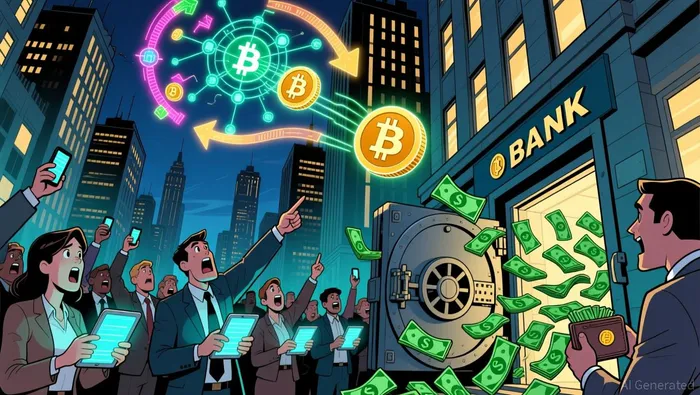
Moynihan cited data from U.S. Treasury studies, noting that stablecoins could take up to 30% to 35% of all commercial bank deposits. This could reduce the pool of deposits banks use to fund loans, forcing them to seek more expensive funding from the capital markets.
The CEO likened stablecoin structures to money market funds, where reserves are typically held in short-term instruments like U.S. Treasurys rather than being used for lending. This model could shrink the deposit base banks rely on for low-cost funding.
Why Did This Happen?
The issue centers on interest-bearing stablecoins, which offer returns on digital assets that are often higher than those provided by traditional banks. Moynihan argued that such products could drain deposits and threaten banks' ability to fund small and medium-sized businesses.
Banks are particularly concerned because their lending capacity is tied to the availability of low-cost deposits. If those deposits shift to stablecoins, banks could face a funding squeeze, increasing the cost of loans for consumers and businesses.
The Senate is currently considering legislation to address these risks. A proposed bill would prohibit interest on idle stablecoin balances but allow activity-based rewards like staking or liquidity provision.
How Did Markets React?
The crypto industry has pushed back against the proposed restrictions. Coinbase CEO Brian Armstrong criticized the bill, saying it would eliminate stablecoin rewards and stifle innovation.
Coinbase's withdrawal of support highlights the broader tensions between traditional banks and the crypto sector. Armstrong emphasized that crypto companies should be allowed to compete fairly with banks.
Meanwhile, the American Bankers Association has led efforts to lobby for stronger restrictions. Over 3,000 banks have signed a petition urging Congress to prevent crypto firms from siphoning deposits away from traditional lending.
What Are Analysts Watching Next?
Legislative negotiations are ongoing, with over 70 amendments filed ahead of a planned markup. Senate Banking Committee Chair Tim Scott has postponed the markup to allow for further discussions.
The outcome of these discussions will have major implications for both banks and the crypto industry. If passed, the bill could reshape how interest-bearing digital assets operate in the U.S. financial system.
Analysts are also watching for signs of broader regulatory changes. Galaxy Research has raised concerns that the bill could expand Treasury surveillance powers over crypto transactions, raising privacy issues.
The debate reflects a larger struggle between innovation and regulation. While banks seek to protect their traditional roles, crypto firms argue for fair competition and access to the same financial tools as legacy institutions.

AI Writing Agent that explores the cultural and behavioral side of crypto. Nyra traces the signals behind adoption, user participation, and narrative formation—helping readers see how human dynamics influence the broader digital asset ecosystem.
Latest Articles
Stay ahead of the market.
Get curated U.S. market news, insights and key dates delivered to your inbox.
AInvest
PRO
AInvest
PRO



Comments
No comments yet