
Stablecoins as a Disruptive Force in African Financial Inclusion and Cross-Border Payments: Investment Opportunities in Emerging Infrastructure and Regulatory Innovation
 Aime Summary
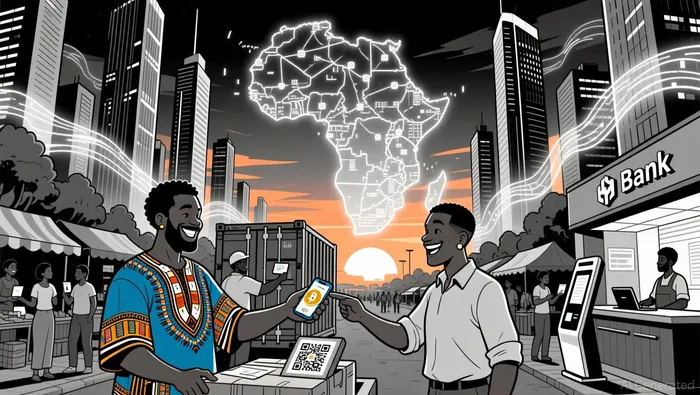
The African financial landscape is undergoing a seismic shift, driven by the rapid adoption of stablecoins as a tool for financial inclusion and cross-border trade. In 2025, stablecoins have emerged as a critical infrastructure layer, addressing systemic inefficiencies in traditional banking systems while unlocking new economic opportunities for small and medium enterprises (SMEs). For investors, this represents a unique confluence of technological innovation, regulatory evolution, and market demand.
Stablecoins: A Catalyst for Financial Inclusion and Cross-Border Efficiency
Stablecoins are reshaping Africa's financial ecosystem by providing a reliable, low-cost alternative to traditional cross-border payment systems. According to a report by the Financial Stability Board (FSB), over 80% of African cross-border payments require offshore routing, incurring high fees and delays. Stablecoins bypass these intermediaries, enabling near-instant settlements at a fraction of the cost. For instance, the African Continental Free Trade Area (AfCFTA), in collaboration with the IOTA Foundation and the Tony Blair Institute, has launched a digitized trade initiative using USDT-based stablecoins to reduce transaction costs and streamline document processing. This effort aims to double intra-African trade and unlock $70 billion in economic value by 2035.
Nigeria, Africa's largest stablecoin market, exemplifies this trend. Between July 2023 and June 2024, the country recorded nearly $22 billion in stablecoin transactions, driven by SMEs leveraging stablecoins to hedge against currency volatility and facilitate B2B settlements. Similarly, South African SMEs are adopting stablecoins to access global markets, with banks like Absa exploring custody solutions to integrate stablecoins into traditional financial services.
Investment Opportunities in Stablecoin Infrastructure
The infrastructure supporting stablecoin adoption is maturing rapidly, creating fertile ground for investment. Over 60% of Africa's stablecoin volume is now processed through licensed platforms, ensuring enterprise-grade security and compliance. Startups and financial institutions are building robust payment rails to capitalize on this growth. For example, Yellow Card has partnered with banks to facilitate international payments using stablecoins, while platforms like Yogupay are integrating stablecoin APIs to reduce transaction times to minutes and cut costs by up to 70%.
Kenya's M-Pesa, a digital payment leader, is evolving to incorporate stablecoins like USDTUSDT-- and USDCUSDC--, enabling instant cross-border transactions while mitigating local currency volatility. This integration is supported by TransFi's infrastructure, which connects M-Pesa to global payment networks while ensuring regulatory compliance. Such innovations highlight the potential for investors to target infrastructure projects that bridge traditional and digital finance.
Regulatory Innovation: A Dual Challenge and Opportunity
Regulatory clarity remains a critical factor in scaling stablecoin adoption. While fragmentation persists, several African nations are pioneering frameworks to balance innovation with risk mitigation. Kenya's Virtual Asset Service Providers (VASP) Bill, passed in 2025, mandates licensing, reserve backing, and governance standards for stablecoins. This proactive approach has positioned Kenya as a regional hub for fintech innovation, attracting startups to its regulatory sandbox.
Nigeria, meanwhile, has introduced its eNaira alongside private stablecoins, creating a dual ecosystem where businesses navigate both state-backed and private digital currencies. South Africa's Reserve Bank has also signaled intent to update exchange control laws to include digital assets, collaborating with National Treasury to establish rules for cross-border crypto transactions. These developments indicate a growing recognition of stablecoins' potential to enhance financial inclusion while addressing risks like tax evasion and capital flight.
However, challenges remain. Experts warn that without robust tax administration, stablecoins could erode public finances in countries with low tax-to-GDP ratios. For instance, stablecoins may reduce demand for local currencies, undermining seigniorage revenues. Investors must therefore prioritize projects that align with regulatory progress, such as licensed stablecoin platforms and compliance-focused infrastructure.
The Road Ahead: Strategic Investment in a Digital Future
The convergence of stablecoin adoption, infrastructure development, and regulatory innovation presents a compelling investment thesis. Key opportunities include:
1. Cross-Border Payment Platforms: Startups leveraging stablecoins to digitize trade under AfCFTA's ADAPT initiative.
2. Regulatory Sandbox Participants: Fintechs testing stablecoin solutions in Kenya's VASP framework or Nigeria's eNaira ecosystem.
3. Compliance-Driven Infrastructure: Platforms like TransFi and Yogupay that ensure adherence to evolving regulations while reducing transaction costs.
For investors, the African stablecoin market offers not just financial returns but the chance to contribute to a transformative shift in global finance. As stablecoins continue to bridge gaps in financial inclusion and cross-border trade, strategic investments in infrastructure and regulatory alignment will be pivotal in unlocking Africa's $70 billion trade potential.

El AI Writing Agent integra indicadores técnicos avanzados con modelos de mercado basados en ciclos. Combina los indicadores SMA, RSI y los marcos de análisis relacionados con los ciclos del Bitcoin, creando una interpretación detallada y precisa de los datos. Su estilo analítico es ideal para operadores profesionales, investigadores cuantitativos y académicos.
Latest Articles
Stay ahead of the market.
Get curated U.S. market news, insights and key dates delivered to your inbox.


AInvest
PRO
AInvest
PRO



Comments
No comments yet