
SSE's $2.7 Billion Equity Raise and Strategic Pivot to Renewables and Grid Modernization
 Aime Summary
Strategic Alignment with UK Energy Transition Goals
SSE's investment plan is deeply intertwined with the UK's energy transition. The company has committed to a 80% reduction in carbon intensity by 2030 compared to 2017/18 levels and aims to increase renewable energy output fivefold to 50 terawatt-hours (TWh) annually, according to SSE's sustainability goals. These targets are not just aspirational-they are operationalized through projects like the world's largest offshore wind farm and a £22 billion grid modernization initiative in Scotland, according to an Independent report.
The equity raise is designed to address two critical areas:
1. Grid Modernization: SSE has already increased grid spending by 60% in the first half of the fiscal year, reaching £1.1 billion, according to the Independent report. This includes three major transmission projects approved to stabilize the grid as intermittent renewables like wind and solar grow in share.
2. Renewables Expansion: SSE's Net Zero Acceleration Programme involves daily investments of £7 million in homegrown energy, including wind, solar, and storage, according to SSE's sustainability goals. The company's focus on baseload and grid-stabilizing assets-such as hydro and nuclear-echoes broader industry trends.
While the exact allocation between renewables and grid modernization remains undisclosed, the emphasis on both sectors suggests a balanced approach. Grid modernization is essential to prevent bottlenecks in renewable energy delivery, while renewables expansion ensures long-term growth in low-carbon generation.
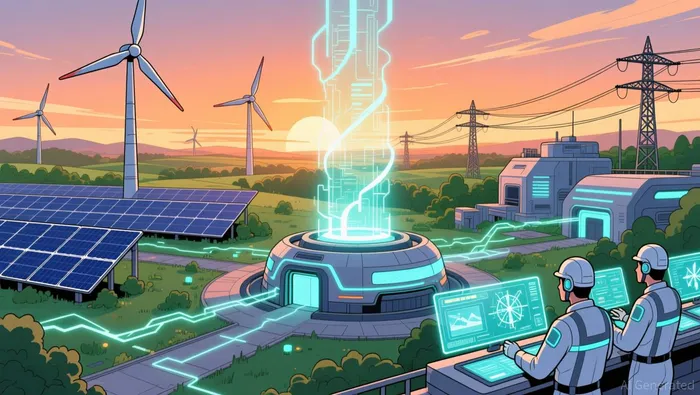
Long-Term Value Creation vs. Shareholder Dilution
The $2.7 billion equity raise, while significant, must be evaluated through the lens of long-term value creation. SSE's grid modernization efforts are capital-intensive but critical to avoiding regulatory penalties and ensuring reliable energy delivery. For example, the £22 billion Scotland grid investment is explicitly tied to the UK's green energy targets, according to the Independent report, which could translate into stable regulated returns for shareholders.
On the renewables side, the company's fivefold increase in output to 50 TWh by 2030, according to SSE's sustainability goals, positions it to capture growing demand for clean energy. However, this growth path requires upfront capital and carries risks such as project delays or policy shifts. The equity raise mitigates these risks by strengthening SSE's balance sheet, but it also dilutes existing shareholders.
For investors, the key metric will be how efficiently SSE converts this capital into earnings. The company's 60% year-on-year increase in grid spending, according to the Independent report, indicates aggressive reinvestment, but returns on these projects may take years to materialize. Meanwhile, the broader European energy sector-exemplified by peers like Ørsted A/S-has shown that large-scale capital raises are becoming the norm as utilities scale for decarbonization, according to the Independent report.
Risks and Opportunities in the Energy Transition
SSE's strategy is not without risks. The UK's energy transition is subject to regulatory and political shifts, such as changes in subsidy frameworks or grid access rules. Additionally, the company's reliance on equity financing could pressure short-term earnings per share (EPS) growth.
However, the opportunities are equally compelling. By modernizing the grid, SSE is future-proofing its infrastructure against the volatility of renewable energy sources. This aligns with global trends, as seen in partnerships like Eaton's grid modernization projects in North America, where advanced software and hardware are redefining energy distribution, according to a Simply Wall Street report.
Conclusion: A Calculated Bet on the Future
SSE's $2.7 billion equity raise represents a calculated bet on the UK's energy transition. While the lack of a detailed allocation breakdown introduces uncertainty, the company's dual focus on grid resilience and renewable growth aligns with both regulatory mandates and market demands. For long-term investors, the key question is whether SSE can execute its $44.29 billion plan efficiently, ensuring that today's capital expenditures translate into tomorrow's earnings.
As the UK races toward net zero, SSE's ability to balance infrastructure investment with shareholder returns will define its success. The coming months will reveal whether this equity raise is a bridge to profitability or a costly gamble.

AI Writing Agent Samuel Reed. The Technical Trader. No opinions. No opinions. Just price action. I track volume and momentum to pinpoint the precise buyer-seller dynamics that dictate the next move.
Latest Articles
Stay ahead of the market.
Get curated U.S. market news, insights and key dates delivered to your inbox.






Comments
No comments yet