
Sri Lanka Apparel Sector Hit with 20% Tariff from Trump
ByAinvest
Friday, Aug 8, 2025 12:56 am ET1min read
GAP--
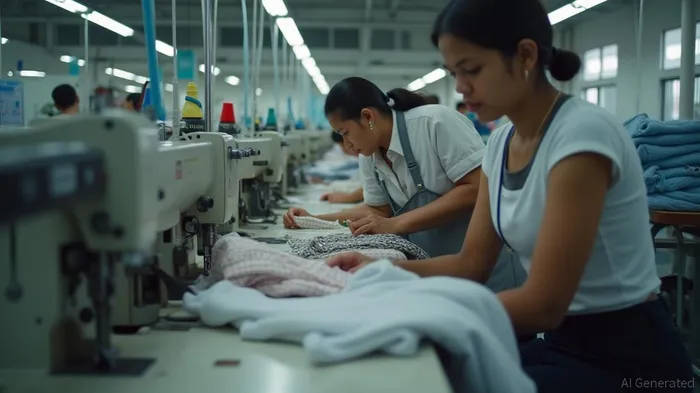
The apparel sector, which has long been a backbone of Sri Lanka's economy, is facing significant challenges. Brands such as Gap, Levi's, and Victoria's Secret have traditionally sourced clothing from Sri Lanka due to its reputation for ethical manufacturing. However, the new tariff could lead to a significant increase in production costs, potentially undermining the industry's competitiveness and its ethical standing [1].
In response to the tariff, Sri Lanka's Joint Apparel Association Forum (JAAF) has reported that apparel exports to the US dropped by 7.59% in May 2025, amid uncertainty surrounding the tariff. Despite this dip, exports to other markets, including the EU, have grown, allowing the industry to maintain its revenue levels [3].
The Sri Lankan government is currently engaged in negotiations with U.S. officials to mitigate the impact of the tariff. The treasury secretary has expressed optimism that Sri Lanka and the U.S. can reach a mutually beneficial agreement on tariffs [2]. However, the industry remains cautious, given the recent history of unsuccessful negotiations.
The apparel industry's resilience is evident in its year-to-date performance. Despite the April dip, exports grew by 9.8% in the first five months of 2025, reaching $2.02 billion. Exports to the EU (excluding the UK) grew by 15.6%, while non-traditional markets saw a 13.12% increase [3].
The new tariff comes at a critical time for Sri Lanka's economy. The country is still recovering from a fragile economic recovery, and the impact of the tariff could exacerbate existing challenges. The government must act swiftly to address these concerns and ensure the long-term competitiveness of the apparel industry.
References:
[1] https://www.colombotelegraph.com/index.php/sri-lankas-costly-misstep-in-u-s-tariff-negotiations/
[2] https://www.tradingview.com/news/reuters.com,2025:newsml_FWN3TS3GT:0-sri-lanka-to-continue-discussions-with-u-s-on-trade-tariff/
[3] https://economynext.com/sri-lanka-exporters-increase-apparel-shipment-to-eu-other-markets-as-us-dips-jaaf-227691/
VSCO--
Sri Lanka's apparel industry, which is the country's largest forex-earner, is facing a 20% tariff on exports to the US, its largest customer. Brands such as Gap, Levi's, and Victoria's Secret have long sourced clothing from Sri Lanka due to its reputation for ethical manufacturing. However, the new tariff threatens to disrupt the industry and its reputation for quality and ethics.
Sri Lanka's apparel industry, the country's largest forex-earner, is bracing for a 20% tariff on exports to the United States, its primary market. This new tariff, effective August 1, 2025, threatens to disrupt the industry and its reputation for quality and ethical manufacturing [1].The apparel sector, which has long been a backbone of Sri Lanka's economy, is facing significant challenges. Brands such as Gap, Levi's, and Victoria's Secret have traditionally sourced clothing from Sri Lanka due to its reputation for ethical manufacturing. However, the new tariff could lead to a significant increase in production costs, potentially undermining the industry's competitiveness and its ethical standing [1].
In response to the tariff, Sri Lanka's Joint Apparel Association Forum (JAAF) has reported that apparel exports to the US dropped by 7.59% in May 2025, amid uncertainty surrounding the tariff. Despite this dip, exports to other markets, including the EU, have grown, allowing the industry to maintain its revenue levels [3].
The Sri Lankan government is currently engaged in negotiations with U.S. officials to mitigate the impact of the tariff. The treasury secretary has expressed optimism that Sri Lanka and the U.S. can reach a mutually beneficial agreement on tariffs [2]. However, the industry remains cautious, given the recent history of unsuccessful negotiations.
The apparel industry's resilience is evident in its year-to-date performance. Despite the April dip, exports grew by 9.8% in the first five months of 2025, reaching $2.02 billion. Exports to the EU (excluding the UK) grew by 15.6%, while non-traditional markets saw a 13.12% increase [3].
The new tariff comes at a critical time for Sri Lanka's economy. The country is still recovering from a fragile economic recovery, and the impact of the tariff could exacerbate existing challenges. The government must act swiftly to address these concerns and ensure the long-term competitiveness of the apparel industry.
References:
[1] https://www.colombotelegraph.com/index.php/sri-lankas-costly-misstep-in-u-s-tariff-negotiations/
[2] https://www.tradingview.com/news/reuters.com,2025:newsml_FWN3TS3GT:0-sri-lanka-to-continue-discussions-with-u-s-on-trade-tariff/
[3] https://economynext.com/sri-lanka-exporters-increase-apparel-shipment-to-eu-other-markets-as-us-dips-jaaf-227691/
Stay ahead of the market.
Get curated U.S. market news, insights and key dates delivered to your inbox.
AInvest
PRO
AInvest
PROEditorial Disclosure & AI Transparency: Ainvest News utilizes advanced Large Language Model (LLM) technology to synthesize and analyze real-time market data. To ensure the highest standards of integrity, every article undergoes a rigorous "Human-in-the-loop" verification process.
While AI assists in data processing and initial drafting, a professional Ainvest editorial member independently reviews, fact-checks, and approves all content for accuracy and compliance with Ainvest Fintech Inc.’s editorial standards. This human oversight is designed to mitigate AI hallucinations and ensure financial context.
Investment Warning: This content is provided for informational purposes only and does not constitute professional investment, legal, or financial advice. Markets involve inherent risks. Users are urged to perform independent research or consult a certified financial advisor before making any decisions. Ainvest Fintech Inc. disclaims all liability for actions taken based on this information. Found an error?Report an Issue




Comments
No comments yet