
Squid Navigates Regulatory Friction as Nigeria Approves Blockchain Stock Tokens
 Aime Summary
- American CryptoFed DAO withdrew its Form 10 registration for Locke and Ducat tokens, halting a regulatory process over disclosure disputes regarding its massive token supply.
- Nigeria’s Securities and Exchange Commission approved NASD to trade blockchain-based stock tokens, marking a significant milestone for digital asset integration in Africa’s largest economy.
- The withdrawal by American CryptoFed highlights ongoing regulatory friction in the digital asset sector, while Nigeria’s approval signals a pragmatic approach to financial inclusion.
- These divergent developments underscore the varying global regulatory landscapes, with some jurisdictions tightening rules while others embrace structured innovation.
The American CryptoFed DAO, a Wyoming-based entity, has officially withdrawn its Form 10 registration request for its Locke and Ducat tokens with the U.S. Securities and Exchange Commission (SEC). This decision concludes a months-long standoff regarding the registration of these assets, which are structured as part of a single monetary system with a very large planned supply. The withdrawal does not confirm that the token project itself has been abandoned, but it does end the immediate regulatory process.
The SEC had previously halted the registration due to concerns about the completeness of disclosures rather than an outright rejection of the tokens. The massive planned supply of the tokens raised immediate questions about dilution and value distribution, prompting the regulatory scrutiny. For investors, the key signals to watch include any amended filings, public explanations from the DAO’s management, and community reaction to this development.
In contrast to the regulatory friction in the United States, Nigeria is taking decisive steps to integrate blockchain technology into its traditional financial markets. The Nigeria’s Securities and Exchange Commission (SEC) has approved the trading of blockchain-based stock tokens on NASD, the country’s over-the-counter market. This approval builds on the SEC’s 2023 authorization for NASD to develop digital tokens backed by real-world assets, positioning Nigeria as a forward-thinking jurisdiction in this space.
The service is scheduled to launch in early September, enabling companies to issue and trade tokenized equities. Stock tokens are digital representations of company shares issued on a blockchain, offering benefits such as fractional ownership, faster settlement times, and enhanced transparency. For companies, tokenization lowers barriers to capital raising and expands the investor pool, particularly for smaller or privately held firms.
This approval reflects a pragmatic regulatory approach in Africa’s largest economy, balancing financial inclusion with investor protection. While challenges around regulatory compliance and market integrity remain, the SEC’s structured framework suggests these concerns are being addressed. This development aligns with Nigeria’s broader digital transformation agenda and could serve as a catalyst for fintech innovation, setting a precedent for other emerging markets.
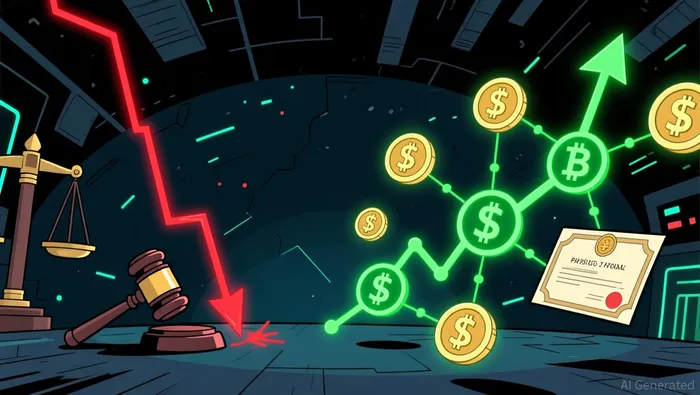
How Does Regulatory Divergence Impact Digital Asset Investors?
The contrasting developments in the United States and Nigeria highlight the complex global landscape for digital assets. While American CryptoFed DAO’s withdrawal underscores the challenges of compliance in highly regulated markets, Nigeria’s approval demonstrates the potential for emerging markets to lead in blockchain adoption. Investors must navigate these differing regulatory environments, which can significantly impact the viability and adoption of digital asset projects.
The withdrawal of the Form 10 registration by American CryptoFed DAO suggests that large-scale token projects may face significant hurdles in the U.S. market, particularly regarding disclosure requirements. Conversely, Nigeria’s structured approach to stock tokens offers a model for other jurisdictions seeking to integrate blockchain technology while maintaining investor protection. This divergence may influence where digital asset projects choose to focus their regulatory efforts and market expansion strategies.
What Are the Implications for Tokenized Equities in Emerging Markets?
Nigeria’s approval of blockchain-based stock tokens on NASD could have far-reaching implications for capital market efficiency in Africa. By enabling fractional ownership and faster settlement, tokenized equities could enhance liquidity and attract foreign investment to the region. This move may also encourage other emerging markets to explore similar frameworks, potentially accelerating the global adoption of tokenized assets.
For investors, the availability of tokenized equities in Nigeria provides a more accessible and liquid market, particularly for firms that may not have access to traditional capital markets. However, the success of this initiative will depend on the robustness of the regulatory framework and the ability of market participants to navigate the technical and compliance requirements. As blockchain technology continues to evolve, such developments may reshape the landscape of global finance, offering new opportunities for both issuers and investors.

Blending traditional trading wisdom with cutting-edge cryptocurrency insights.
Latest Articles
Stay ahead of the market.
Get curated U.S. market news, insights and key dates delivered to your inbox.


AInvest
PRO
AInvest
PRO




Comments
No comments yet