
SPY Faces Headwinds as Q4 GDP Misses Expectations, Market Shifts Emerge
 Aime Summary
- SPY's performance is being impacted by weaker-than-expected Q4 GDP growth and inflation pressures.
- The U.S. , , with the government shutdown accounting for nearly one percentage point of the shortfall.
- Equal-weight S&P 500 ETFs have outperformed traditional market-cap ETFs so far in 2026, indicating a possible shift in investor behavior.
- Persistent inflation may delay Fed rate cuts, adding uncertainty for equities like SPY.
- Emerging markets, particularly through ETFs like AVEM, are showing strong returns, suggesting new opportunities for diversification.
The fourth-quarter GDP report was one of the most anticipated economic indicators of early 2026—and it delivered a starkly disappointing result. The U.S. , by economists and analysts. The slowdown was attributed to a prolonged government shutdown, which cut off federal spending for nearly half the quarter and disrupted data collection. The impact was tangible: defense and non-defense spending both declined, and the BEA had to estimate data points due to the shutdown.
For investors, this GDP miss has reignited concerns over the Federal Reserve's next moves. analysts are now questioning whether rate cuts will come as early as previously anticipated. This uncertainty is particularly relevant for SPY, as the S&P 500 index is heavily tilted toward large-cap tech stocks, many of which are sensitive to interest rate changes.
Meanwhile, the performance of S&P 500 ETFs has taken an unusual turn in 2026. The Invesco S&P 500 Equal Weight ETF (RSP) has outperformed the cap-weighted SPY, a trend that historically has preceded broader market shifts. This divergence raises an important question: Is the market moving toward a more diversified investment environment? Some analysts suggest that this shift could signal a broader rotation away from large-cap dominance, particularly as smaller companies appear to be gaining momentum.
Why Is SPY Struggling After Q4 GDP Data?
The Q4 GDP report underscored a key trend: the U.S. economy is showing signs of uneven growth. While the third quarter saw a robust 3.8% expansion, the fourth quarter was significantly weaker, in large part due to the government shutdown. , according to the . This slowdown was exacerbated by weaker consumer spending and a pullback in exports.
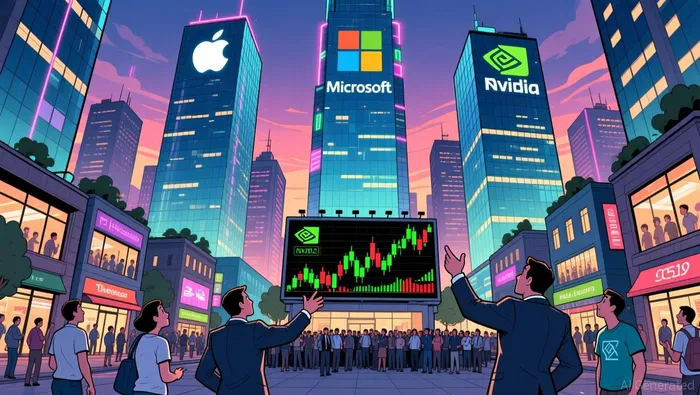
For SPY, which tracks the S&P 500 and is heavily weighted toward megacap tech stocks, the implications are clear: a slowing economy and tighter fiscal policy could weigh on valuations. Large-cap tech stocks, which have been the primary drivers of equity market returns in recent years, are vulnerable to slower consumer and corporate spending and rising borrowing costs. The S&P 500 is currently dominated by companies like Apple, Microsoft, and Nvidia, of the SPY ETF.
Should Investors Diversify Beyond U.S. Markets in 2026?
The underperformance of SPY and the broader S&P 500 relative to emerging markets has sparked renewed interest in global diversification. , . In contrast, . This performance gap has led some investors to question whether U.S. equities are still the sole destination for capital.
The case for diversification is further supported by the performance of equal-weight S&P 500 ETFs. These funds, which spread holdings more evenly across companies regardless of size, have outperformed traditional ETFs in 2026. This suggests that investors are looking for more balanced exposure to the market, rather than relying heavily on the performance of a few large-cap stocks. For SPY, which is dominated by market-cap-weighted holdings, this trend could signal a potential reevaluation of its role in portfolios.
What's Next for SPY and the S&P 500?
With the Federal Reserve now facing a more uncertain inflation outlook, the timing of rate cuts is in question. The Fed's preferred inflation metric—— , . This development suggests that the Fed may not begin rate cuts in the first quarter of 2026, as previously expected. For SPY, this could mean more volatility ahead, particularly for interest-sensitive sectors like technology and consumer discretionary.
Investors should also keep an eye on the performance of equal-weight and emerging market ETFs. If the trend of diversification continues, it could indicate a broader shift in market dynamics, with more balanced growth across sectors and regions. This could present new opportunities for investors willing to step outside traditional large-cap U.S. equity allocations.
Ultimately, the Q4 GDP miss has highlighted the need for flexibility and diversification in equity portfolios. While SPY remains a core holding for many investors, the evolving landscape of market trends and economic data suggests that a more nuanced approach may be necessary in 2026.

Stay ahead of the market.
Get curated U.S. market news, insights and key dates delivered to your inbox.


AInvest
PRO
AInvest
PRO



Comments
No comments yet