
Sprinkles Cupcakes Shuts Down: What Retail Investors Should Know
 Aime Summary
Sprinkles Cupcakes, the pioneer of the gourmet cupcake movement, , , marking the end of an era for the brand.
The closures are attributed to post-pandemic changes in consumer behavior, rising operational costs, and the rise of alternative dessert trends.
, but now faces financial pressures from brick-and-mortar retail challenges.
Candace Nelson, the founder, expressed disappointment and gratitude for the support the brand received over the years, while employees are left with little notice and minimal severance according to reports.
Why Is Sprinkles Cupcakes Closing All Locations by 2025? Sprinkles Cupcakes, founded in 2005 by , was a cultural touchstone in the dessert world, known for its innovative Cupcake ATM and gourmet offerings. The closures come after the company was sold to a private equity group in 2014, and its current ownership has not provided clear guidance on employee support or future plans. According to analysts, the decline is attributed to high retail overhead costs, reduced foot traffic, and shifting consumer preferences toward alternative dessert formats. The brand’s inability to adapt to these changing market conditions has led to its permanent shutdown.
What Can Retail Investors Learn From Sprinkles’ Closure? 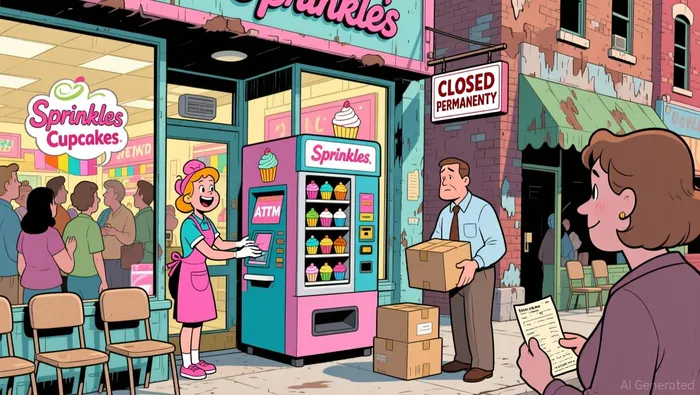 Sprinkles’ closure highlights a broader trend in the retail sector, particularly among brick-and-mortar businesses, where high overhead costs and evolving consumer behaviors are reshaping the landscape. In 2025 alone, , with notable casualties like Forever 21 and filing for bankruptcy due to similar pressures according to local reports. For investors, this signals the importance of identifying brands with strong adaptability and scalable business models. Sprinkles, while a pioneer, struggled to maintain relevance in the face of online ordering, convenience-based dining, and competition from fast fashion and e-commerce. Retail investors should monitor how other dessert and retail brands navigate these challenges and whether they can offer more durable value propositions.
What Retail Challenges Led to Sprinkles’ Final Chapter? Sprinkles faced a perfect storm of retail headwinds, including rising costs, competition, and changing consumer habits. The company’s reliance on physical locations made it vulnerable to economic downturns and the shift toward online and delivery-based dining. Additionally, its novelty approach—once a key differentiator—may have become less appealing to consumers seeking more convenient or diverse dining experiences. The lack of guidance from ownership further exacerbated uncertainty for employees and customers.
What’s Next for the Dessert Market After Sprinkles? The closure of Sprinkles does not spell the end of the dessert market, but it does highlight a need for innovation and adaptation. Brands that leverage digital ordering, delivery, or experiential dining may thrive in the new retail environment. Investors should look for dessert chains that can maintain quality while offering convenience and flexibility. Additionally, the rise of alternative dessert formats—like gourmet gelato, frozen yogurt, or artisanal bakeries—suggests that there is still strong demand for premium desserts, but the delivery and execution must evolve to meet consumer expectations according to industry reports.
How Can Investors Evaluate Retail Closures Like Sprinkles? Retail closures like Sprinkles’ should not be viewed in isolation but as part of a larger trend. Investors should assess how a company’s business model aligns with current market dynamics, including operational efficiency, digital transformation, and brand relevance. For example, brands that embrace e-commerce, omnichannel strategies, or flexible delivery models may be better positioned to survive. Sprinkles’ experience serves as a cautionary tale for investors to be wary of businesses that fail to innovate or adapt to changing conditions.
What Does This Mean for the Future of the Cupcake Industry? The closure of Sprinkles does not necessarily signal a decline in the cupcake category, but it does reflect a need for the industry to evolve. Cupcakes remain popular, but the way they are sold and consumed is changing. With the rise of convenience-driven dining and on-demand delivery, the industry must adapt to meet the needs of modern consumers. Brands that can offer high-quality, unique, and convenient dessert experiences are more likely to succeed in the current market according to market analysis.
What Retail Investors Should Watch in 2026 and Beyond: After Sprinkles’ closure, investors should keep an eye on how other dessert chains and retailers navigate similar challenges. This includes monitoring trends in e-commerce, omnichannel strategies, and the use of technology to enhance customer experience. The ability to adapt to shifting consumer preferences and maintain profitability in a high-cost retail environment will be crucial for success in the coming years. Brands that can leverage data, digital transformation, and creative marketing will be better positioned to thrive in the evolving retail landscape according to industry experts.

Stay ahead of the market.
Get curated U.S. market news, insights and key dates delivered to your inbox.






Comments
No comments yet