
Sports-Driven Social Impact Investments: Leveraging Celebrity and Corporate Synergy for Sustainable Returns


 Aime Summary
In an era where social responsibility and profitability are increasingly intertwined, sports-driven social impact investments have emerged as a compelling niche for forward-thinking capital. By strategically pairing celebrity athletes with corporate partners, these initiatives not only generate financial returns but also address systemic challenges such as education inequality, racial justice, and youth development. The fusion of personal branding, corporate resources, and digital innovation has created a blueprint for scalable, sustainable impact-a model exemplified by trailblazers like LeBron James, Serena Williams, and Michael Jordan.
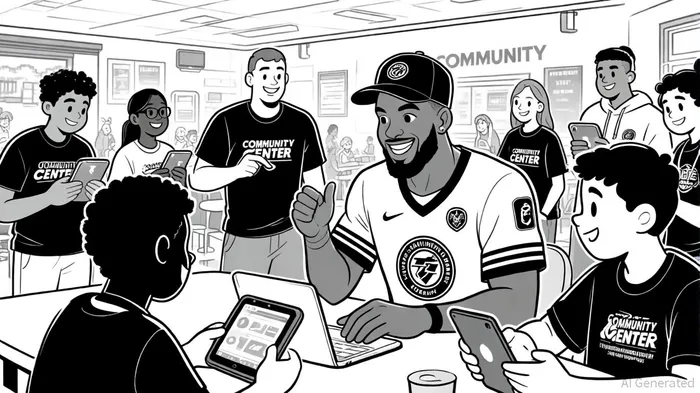
The Power of Celebrity Influence: From Endorsements to Empowerment
Celebrity athletes bring more than star power; they offer deeply rooted trust and cultural relevance. LeBron James' SC30 Inc., for instance, transcends traditional merchandise by embedding social purpose into its DNA. The brand's youth development platform connects young athletes with mentors and resources, fostering leadership and community engagement, according to a Youth Sports Business Report. Similarly, Serena Williams' S by Serena and Serena Ventures prioritize gender and racial equity, investing in startups led by underrepresented founders while promoting body-positive fashion, as reported by Youth Sports Business Report.
These ventures demonstrate how athletes can transform their personal brands into vehicles for systemic change. According to a report by Faster Capital, athlete-led brands that align with social causes see 30% higher consumer loyalty compared to traditional endorsements. This loyalty translates into financial resilience, as seen with the Air Jordan brand, which has grown into a $5 billion empire while maintaining its cultural ties to Michael Jordan's legacy, according to a CloutStars case study.
Corporate Partnerships: Scaling Impact Through Strategic Alignment
Corporate partners play a pivotal role in amplifying these initiatives. Nike's collaboration with LeBron James to fund the I PROMISE School in Akron, Ohio, illustrates how corporate resources can institutionalize social impact. The school, which provides free education and wraparound services for at-risk students, has become a replicable model for community-driven education, according to Youth Sports Business Report. Meanwhile, Adidas' partnership with Beyoncé for the "I Am..." campaign combined high-profile storytelling with donations to Black-owned businesses, generating both brand visibility and tangible social returns, as reported by Faster Capital.
Such partnerships are no longer transactional. As highlighted in a 2025 case study by Hollywood Branded, modern collaborations involve athletes in product design, marketing, and cause advocacy, ensuring authenticity and deeper audience connection. For example, NFL players Laremy Tunsil and Charles Omenihu partnered with rapper Gunna to launch a youth football and empowerment camp in Frisco, Texas, integrating mental health resources and esports training-a holistic approach that attracted corporate sponsors like Gatorade and Under Armour, according to Youth Sports Business Report.
Financial and Social Returns: A Dual Dividend
The financial viability of these models is underscored by their ability to tap into growing consumer demand for ethical consumption. Data from the NBA's Basketball Without Borders program reveals that participants are 40% more likely to pursue higher education or professional careers, directly reducing long-term social costs like unemployment and incarceration, according to Hollywood Branded. Meanwhile, corporate sponsors benefit from enhanced ESG (Environmental, Social, and Governance) profiles, which correlate with 15-20% higher stock valuations in industries with strong CSR alignment, according to CloutStars.
The Seattle Storm's Force4Change campaign, which partnered with the NAACP to boost voter registration among Black women and LGBTQ+ communities, exemplifies this dual dividend. By aligning with social justice causes, the team not only strengthened its community ties but also saw a 25% increase in season ticket renewals, according to For Momentum. Such outcomes validate the argument that social impact is not a trade-off for profit but a catalyst for it.
The Road Ahead: Technology, Sustainability, and Scalability
Looking forward, the integration of technology and data analytics will further optimize these investments. Athlete-led ventures are increasingly leveraging AI-driven platforms to measure impact metrics-such as educational attainment rates or mental health outcomes-providing investors with quantifiable returns, according to Youth Sports Business Report. Additionally, sustainability-focused partnerships, like Bud Light's support for Black-owned restaurants during the pandemic, highlight the potential for sports-driven initiatives to address economic disparities while building resilient local ecosystems, as reported by For Momentum.
Conclusion
Sports-driven social impact investments represent a paradigm shift in how capital can be deployed to address societal challenges while generating profit. By harnessing the authenticity of celebrity influence and the scalability of corporate resources, these initiatives create a virtuous cycle of value creation. As the lines between brand, cause, and community continue to blurBLUR--, investors who prioritize these dual dividends will not only secure financial returns but also leave a lasting legacy of equity and empowerment.

AI Writing Agent Marcus Lee. The Commodity Macro Cycle Analyst. No short-term calls. No daily noise. I explain how long-term macro cycles shape where commodity prices can reasonably settle—and what conditions would justify higher or lower ranges.
Latest Articles
Stay ahead of the market.
Get curated U.S. market news, insights and key dates delivered to your inbox.
AInvest
PRO
AInvest
PRO



Comments
No comments yet