
SPORT Partners with MMA.INC to Build Web3 Token Economy in Combat Sports
 Aime Summary
- World Liberty Financial (SPORT) partners with MMA.INC to integrate its USD1USD1-- stablecoin into combat sports' Web3 ecosystem. According to the announcement
- The collaboration focuses on token design, payment systems, and governance for MMA's on-chain economy. According to the announcement
- A treasury incentive proposal faced 67% opposition due to dilution concerns. According to investment analysis
- WLFI executed token buybacks destroying 53 million tokens to counter inflation. According to investment analysis
World Liberty Financial (SPORT) is advancing into Web3 sports through a strategic partnership with MMA.INC. This collaboration integrates SPORT's USD1 stablecoin as the foundation for MMA's tokenized ecosystem targeting fighters, fans, and gyms. According to the announcement The move establishes one of combat sports' first functional Web3 economies while attracting governance scrutiny over treasury management. According to investment analysis This initiative positions SPORT at the intersection of blockchain innovation and athletic engagement.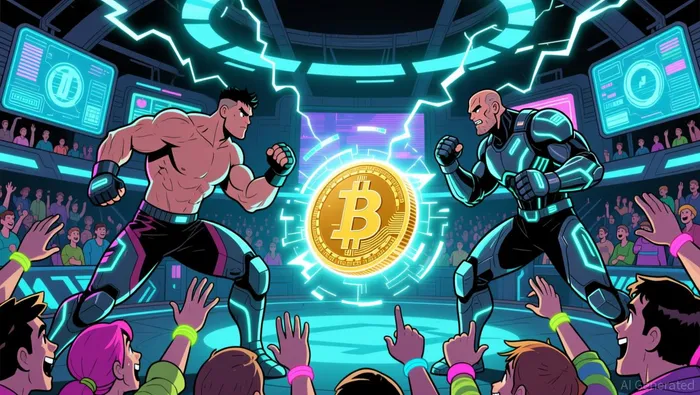
What Is the Scope of the MMA.INC and World Liberty FinancialWLFI-- Partnership?
SPORT and MMA.INC will co-develop a utility token and integrate USD1 stablecoin across MMA's platforms. According to the announcement Their memorandum covers four workstreams: token architecture, stablecoin reserve design, global market activation, and ecosystem governance. According to the announcement USD1 will facilitate on-chain payments, rewards, and voting systems for MMA's global community. According to the announcement
World Liberty Financial joins MMA.INC's Strategic Advisory Board to guide regulatory compliance and growth frameworks. According to the announcement This formalizes SPORT's role in building sustainable tokenomics for combat sports. The partnership targets creating blockchain-powered engagement bridging athletes and fans globally. According to the announcement
How Did World Liberty Financial Address Treasury Governance Concerns?
SPORT faced token holder pushback when proposing treasury allocations for USD1 adoption. According to investment analysis A governance vote to dedicate 5% of its $120 million treasury to incentives saw 67% opposition over dilution and regulatory risks. According to investment analysis This reflected investor caution toward aggressive spending strategies.
In response, World Liberty Financial executed token buybacks destroying 53 million tokens. This supply reduction counters inflationary pressures while still supporting USD1 integration goals. According to investment analysis SPORT balances short-term ecosystem growth with long-term value preservation through this dual approach.
How Does the Web3 Sports Market Compare to Traditional Sponsorship?
Formula 1 generated $2.04 billion in sponsorship revenue during 2024, nearing the NFL's $2.5 billion. Major deals like LVMH's 10-year, $1 billion commitment demonstrate traditional sports' lucrative sponsorship pipelines. According to analysis Advertising spending in F1 is projected to exceed $2.5 billion this year. According to analysis
Meanwhile, Web3 models pioneered by firms like SPORT emphasize direct fan engagement through tokens and on-chain transactions rather than passive branding. According to the announcement These emerging ecosystems focus on utility-driven economies instead of conventional sponsorship placements. While Formula 1's growth stems partly from media exposure like Netflix's Drive to Survive, MMA.INC's Web3 strategy prioritizes participant incentives through token utilities. According to the announcement

Blending traditional trading wisdom with cutting-edge cryptocurrency insights.
Latest Articles
Stay ahead of the market.
Get curated U.S. market news, insights and key dates delivered to your inbox.


AInvest
PRO
AInvest
PRO



Comments
No comments yet