
SPORT Confronts EVM Security Risks Amid RWA Tokenization Surge
 Aime Summary
- Hundreds of crypto wallets drained across EVM chains highlight persistent security vulnerabilities.
- Bybit expanded to 80M users in 2025 with key regulatory approvals including MiCA compliance.
- RWA tokenization bridges traditional finance and blockchain with a projected market of $16T by 2030.
- Incident response planning remains critical for crypto platforms facing evolving cyber threats.
Virtuals Protocol (SPORT) navigates heightened security concerns following unexplained wallet drains across EthereumETH-- Virtual Machine (EVM) chains. The sports token ecosystem faces dual pressures from these vulnerabilities and the accelerating RWA tokenization trend. SPORT's position at this intersection demands robust security protocols as blockchain adoption grows.
How Do EVM Wallet Drains Impact Sports Token Ecosystems?
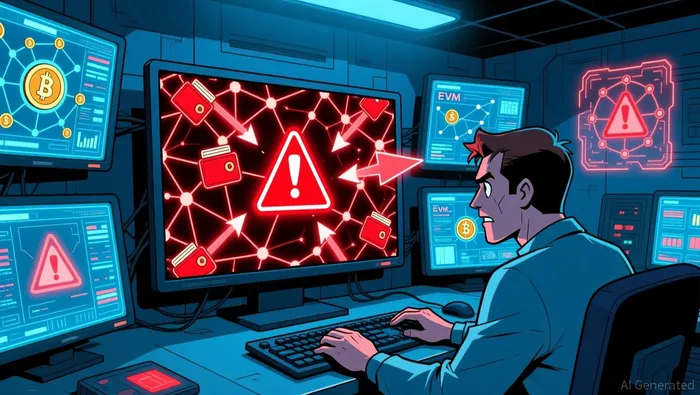
Recent wallet drains across EVM-compatible chains create immediate security concerns for sports token projects like SPORT. Blockchain investigator ZachXBT reported hundreds of wallets drained with losses typically under $2,000 per victim, suggesting deliberate low-value attacks to avoid detection. This pattern mirrors previous incidents like Balancer's $117 million exploit, indicating systemic risks across DeFi infrastructure supporting sports tokens. Sports platforms must prioritize transaction security as fan engagement increasingly relies on digital wallets.
These incidents compound existing challenges for sports-focused blockchains seeking mainstream adoption. The timing proves particularly sensitive as projects build fan engagement models around tokenized assets and experiences. That said, the attacks haven't halted innovation in blockchain sports applications. Still, they underscore the need for continuous security audits and user education across all EVM-based platforms.
Can RWA Tokenization Revolutionize Sports Asset Investments?
Real-world asset tokenization presents transformative opportunities for sports investments through platforms like SPORT. Converting physical assets like stadiums or team equity into blockchain tokens enables fractional ownership and new revenue models. This approach could democratize access to high-value sports assets while creating liquidity for traditionally illiquid holdings. Tokenized U.S. Treasuries already demonstrate how stablecoin holders can earn yield from traditional assets on-chain.
The RWA market projection reaching $16 trillion by 2030 signals massive potential for sports-related tokenization. Sports franchises could tokenize merchandise, memorabilia, or revenue streams, creating novel fan investment vehicles. Tokenization involves three key steps: off-chain custody, legal structuring through special purpose vehicles, and on-chain token issuance. By contrast, regulatory complexity remains a hurdle despite the technology's maturity. Sports platforms exploring RWA must navigate these frameworks carefully as detailed in research.
What Security Best Practices Protect Blockchain Sports Platforms?
Incident response planning forms the frontline defense for sports token platforms facing evolving threats. A comprehensive IRP defines roles, incident classification levels, and containment strategies across five phases: preparation, detection, containment, eradication, and post-incident review. Proactive measures include implementing security information and event management (SIEM) systems alongside endpoint detection and response (EDR) tools as recommended by experts. Regular security training and updated playbooks remain essential.
Platforms should enforce encryption standards through services like AWS Config, which monitors compliance across cloud infrastructure. Transaction batching offers another protective layer by reducing per-transaction attack surfaces through aggregation as demonstrated in technical analysis. These technical safeguards complement organizational practices like maintaining zero-loss guarantees for user funds during crises, as shown in exchange performance. Security resilience increasingly influences investor confidence in sports token projects.
Virtuals Protocol must balance innovation with risk mitigation as the sports blockchain sector evolves. The convergence of RWA tokenization opportunities and persistent security threats creates both challenges and openings. Sports token platforms adoption robust security frameworks position themselves to capitalize on tokenization's growth potential.

Blending traditional trading wisdom with cutting-edge cryptocurrency insights.
Latest Articles
Stay ahead of the market.
Get curated U.S. market news, insights and key dates delivered to your inbox.






Comments
No comments yet