
Speculators Increase UK Pound Short Bets as BoE Hopes Fade
 Aime Summary
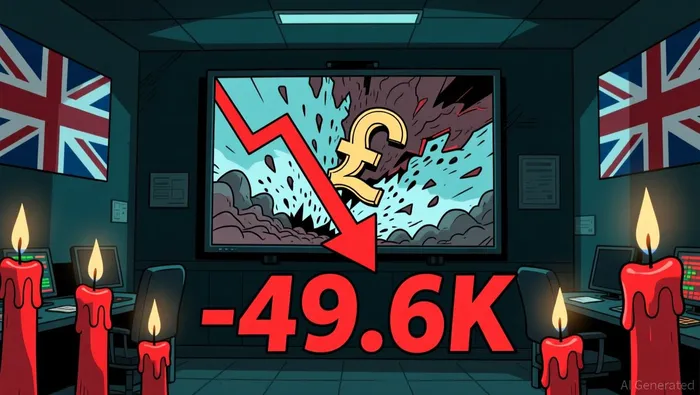
- UK CFTC speculative net positions for the British Pound fell to -49.6K from -44.5K in the prior week, signaling a rise in bearish bets among non-commercial traders.
- The data, released on Friday at 03:30 ET, reflects trader commitments from the previous Tuesday and highlights a structural shift in market sentiment.
- Analysts note the move aligns with neutral-to-bearish technical setups and muted rate hike expectations ahead of the upcoming Bank of England meeting.
- Structural challenges, including weak productivity and rising government debt, continue to press on the Pound, with longer-dated yields hitting multi-decade highs.
The latest Commitments of Traders (CFTC) report reveals a notable shift in the speculative positioning of the British Pound, as non-commercial traders increased their net short exposure to -49.6K. Released on Friday at 03:30 ET, the data reflects the aggregate bets of large institutional players based primarily in Chicago and New York futures hubs as of the prior Tuesday. This downward movement from the previous week's -44.5K reading underscores a growing skepticism among speculators regarding the near-term outlook for the GBP. In the complex world of macroeconomic trading, such shifts in speculative positioning are often interpreted as a leading indicator of potential trend reversals or continuations, providing retail investors with a window into the sentiment driving institutional flows.
What Does the Drop in GBP Net Positions Signal?
The decline in net speculative positions for the British Pound to -49.6K highlights a distinct pivot in market sentiment. Non-commercial traders, often viewed as the most agile participants in the futures market, are increasingly positioning themselves for downside risk in the Pound against the US Dollar. This trend is not occurring in a vacuum; it is heavily influenced by a combination of weak fundamental data and muted monetary policy expectations. The UK’s final services and composite PMI figures recently delivered only modest expansionary prints in the low 50s, offering little new fundamental narrative to support a bullish case for the currency .
Furthermore, the market’s reaction to the data is deeply rooted in the expectations surrounding the Bank of England (BoE). With only 4 basis points of tightening priced in for the September 17th meeting, the lack of immediate rate hike expectations has left the Pound vulnerable to speculative shorting . The CFTC data, therefore, serves as a quantifiable measure of this cautious sentiment, showing that large traders are betting on a prolonged period of consolidation or weakness for the GBP. This structural shift in positioning allows investors to look beyond daily price fluctuations and understand the underlying incentives driving market trends, as speculative bets often correlate with broader macroeconomic narratives and geopolitical events .
Why Are Investors Watching UK Debt and BoE Policy Now?
The bearish positioning in the CFTC report must be understood in the context of the broader macroeconomic landscape facing the United Kingdom. Bank of England Governor Andrew Bailey has recently highlighted significant structural challenges, including weak productivity, aging populations, and rising defense spending, which are driving up government debt and borrowing costs . These factors have pushed British 10-year yields to their highest levels in nearly 20 years, creating a challenging environment for the Pound. The surge in yields is not just a cyclical phenomenon but a reflection of long-term pressures that are reshaping the UK’s fiscal outlook.
Despite these headwinds, there are nuanced signals within the market. Aviva Investors, for instance, has increased its position in UK gilts, betting that the yield surge is driven by inflation expectations rather than immediate fiscal fears . This divergence in institutional strategies highlights the complexity of the current macro environment. While speculators are shorting the Pound in the futures market, some asset managers are finding value in the bond market, anticipating that the BoE will eventually ease policy as growth concerns mount. Investors should watch the November 5th BoE meeting, where market pricing suggests a higher probability of rate tightening, as a potential catalyst for reversing the current speculative trends .
: CFTC Commitments of Traders Report: Mechanism and Market Sentiment Indicator : CFTC Commitments of Traders (COT) Report: Mechanism and Market Sentiment : British Pound: Range-bound against US Dollar with muted BoE pricing – Scotiabank : Bank of England's Bailey sees long-term pressures driving up government debt

Stay ahead of the market.
Get curated U.S. market news, insights and key dates delivered to your inbox.


AInvest
PRO
AInvest
PRO




Comments
No comments yet