
Speculative Data Centers Fuel Energy Overbuild Fears and Rising Bills


 Aime Summary
The AI boom is fueling a surge in electricity demand forecasts, with utilities and regulators grappling with concerns that speculative data center projects could drive unnecessary infrastructure spending and higher consumer bills. As tech giants like Meta Platforms Inc.META-- and Nvidia Corp.NVDA-- pour billions into AI infrastructure, the energy sector is caught in a crossfire between urgent demand projections and the risk of overbuilding.
Meta is expanding its AI footprint with a 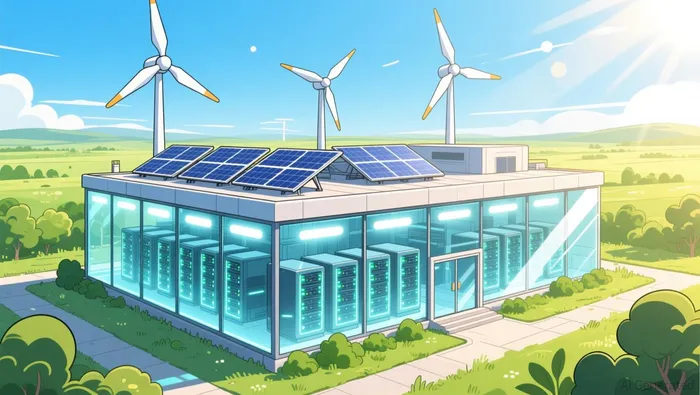 $1 billion data center in Beaver Dam, Wisconsin, optimized for advanced AI workloads and powered entirely by renewable energy. The project, which will create over 100 jobs and include $200 million in energy infrastructure upgrades, is part of Meta's broader $600 billion U.S. investment plan through 2028. Similarly, NvidiaNVDA-- announced a $1 billion green data center in Mexico, signaling its intent to capitalize on the AI-driven demand for computing power. These investments are emblematic of a broader trend, with data centers now accounting for over 1.5% of global electricity consumption and projected to consume 12% of national power by 2030.
However, the rapid pace of data center development has sparked skepticism. Utilities in regions like Pennsylvania and Texas report tripling peak demand forecasts, driven by requests for grid connections that may not translate into actual projects. In the mid-Atlantic grid, which spans 13 states, regulators warn that speculative or duplicative applications could lead to billions in unnecessary infrastructure costs. "Nobody really knows what's speculative, what's real," said Joe Bowring, head of Monitoring Analytics, an independent grid watchdog.
The uncertainty is compounded by data center developers submitting overlapping grid connection requests without disclosing their full plans, inflating demand forecasts. In Texas, lawmakers reacted to a 2024 grid operator report predicting near-doubling of peak demand by 2030 by mandating stricter financial commitments from developers. Similar measures are now under consideration in Pennsylvania, where Rep. Danilo Burgos introduced legislation to empower regulators to scrutinize utility forecasts.
Traditional energy firms are also pivoting to capitalize on the data center boom. Drax Group Plc, a UK utility, saw its shares jump over 8% after RWE AG's $261 million gain from a data center project highlighted the potential of repurposing old power sites. Drax aims to host a 100-megawatt data center by 2030 at its biomass plant in North Yorkshire, leveraging existing grid connections to meet the energy-hungry demands of tech infrastructure.
The stakes are high for ratepayers. In Pennsylvania, PPL Corp. projected data centers would triple its peak electricity demand by 2030, but lawmakers like Burgos argue consumers need protections to ensure they benefit from rising costs. Burgos said "Once they make their buck, whatever company, you don't see no empathy towards the ratepayers".
As the AI race accelerates, regulators and utilities face a delicate balancing act: preparing for surging demand while avoiding a potential overbuild. With data centers already accounting for half of new grid connection requests in the UK and similar trends globally, the industry's ability to verify project viability will be critical to preventing a costly energy bubble.

Conoce rápidamente la historia y el contexto de diferentes monedas célebres
Latest Articles
Stay ahead of the market.
Get curated U.S. market news, insights and key dates delivered to your inbox.
AInvest
PRO
AInvest
PRO



Comments
No comments yet