
Spain's Naval Renaissance: Defense Spending Surge Opens Strategic Investment Horizons
The Iberian Peninsula's strategic position between Europe and Africa, its Mediterranean ports, and its Atlantic access have long made Spain a critical node in global defense dynamics. Over the past five years, Madrid has transformed its defense posture, aligning its military modernization with NATO's demands and EU strategic ambitions. Now, investors are taking notice: Spain's defense budget surge—from €19.5 billion in 2021 to a projected €33 billion by 2025—has unlocked opportunities in naval construction, cybersecurity, and infrastructure, all underpinned by long-term geopolitical imperatives.
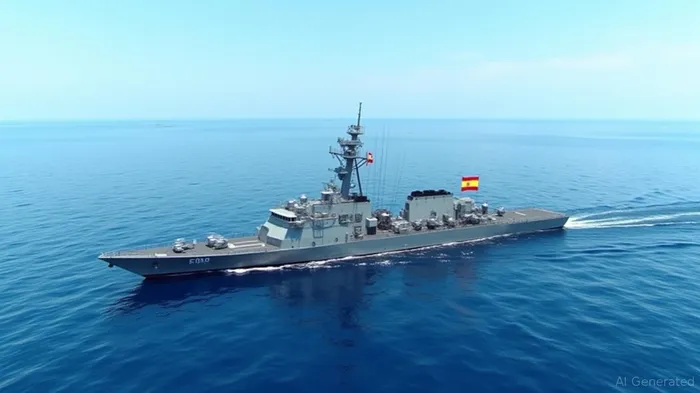
Defense Spending: From Lagging to Leaping
Spain's defense budget has undergone a dramatic shift. After years of stagnation—spending just 1.2% of GDP in 2020—the government committed to NATO's 2% GDP target, allocating €10.5 billion in 2024 alone for modernization. By 2025, total defense spending is expected to hit €33 billion annually, driven by investments in three key areas:
- Naval Procurement: The S-80 submarine program (four vessels) and F-100 frigate program (six units) are flagship projects. While delays plague the S-80 (first delivery now slated for late 2026), their completion will bolster Spain's ability to project power in the Mediterranean and Atlantic.
- Cybersecurity and Digital Infrastructure: A €3.26 billion “digital shield” targets encrypted communications, AI-driven surveillance, and quantum computing—a critical hedge against hybrid threats.
- Climate Resilience: €1.75 billion will fund dual-use technologies, including firefighting aircraft and disaster-response vehicles, reflecting Madrid's focus on security amid climate volatility.
The Navantia shipbuilder, responsible for the S-80 and F-100 programs, stands to benefit directly from these investments. Its stock, however, remains volatile due to project delays and geopolitical risks.
NATO Alignment: A Strategic Compromise
Spain's 2024 defense plan cleverly balances fiscal constraints with alliance obligations. By rejecting the U.S.-pushed 5% GDP target, Madrid secured a compromise: NATO allies agreed to a 3.5% GDP baseline for “core defense” plus 1.5% for broader infrastructure and cybersecurity. This allows Spain to prioritize welfare spending while still meeting collective defense goals.
The EU's Strategic Compass further aligns Madrid's efforts. Spain is a key participant in joint procurement projects, such as the EU's 155mm ammunition initiative and the Patriot missile program with Germany and the Netherlands. Such collaborations reduce costs and foster interoperability, creating opportunities for European defense contractors like Indra (IND.RX), which specializes in cybersecurity and radar systems.
Infrastructure: The Silent Pillar of Defense
Spain's €10.5 billion plan includes €2 billion for infrastructure upgrades, including ports, airfields, and climate-resilient roads. These projects are vital for rapid troop deployment and disaster response.
Firms like Ferrovial, with expertise in transportation and public works, are positioned to secure contracts for military base modernization and coastal infrastructure. Meanwhile, ACS, Spain's largest construction firm, has already secured naval yard upgrades worth hundreds of millions.
Investment Opportunities: Where to Look
- Naval Contractors: Navantia's long-term contracts are a buy for patient investors, despite execution risks.
- Cybersecurity: Indra's growth in encrypted communications and AI-driven defense systems is a play on Spain's digital shield strategy.
- Dual-Use Tech: Firms developing climate-resilient infrastructure (e.g., disaster-response drones) or hybrid defense systems could benefit from Spain's dual priorities.
Risks and Considerations
- Budget Overruns: The S-80 program's cost has ballooned from €2.2 billion to over €4 billion, highlighting execution challenges.
- Geopolitical Volatility: A cooling of U.S.-Europe tensions could reduce urgency for defense spending.
- EU Dependence: Spain's reliance on EU funding mechanisms (e.g., the €8 billion European Defence Fund) introduces bureaucratic risks.
Conclusion: A Long-Term Play
Spain's defense surge is not a fleeting reaction to Ukraine but a structural shift to meet NATO's demands and EU strategic autonomy goals. Investors should focus on companies with multiyear contracts tied to naval modernization or cybersecurity, rather than short-term fluctuations. As Madrid transforms its military into a 21st-century force, the infrastructure and tech powering this transition promise sustained returns—for those willing to weather near-term turbulence.
Stay attuned to geopolitical developments and budget execution. The next NATO summit in 2026 could redefine spending targets, but Spain's naval renaissance is already afloat—and investors should follow its wake.

Delivering real-time insights and analysis on emerging financial trends and market movements.
Latest Articles
Stay ahead of the market.
Get curated U.S. market news, insights and key dates delivered to your inbox.


AInvest
PRO
AInvest
PRO



Comments
No comments yet