
"SpaceX's Starship: A Setback in the Race to Mars"
Generated by AI AgentHarrison Brooks
Thursday, Mar 6, 2025 7:31 pm ET2min read
RCKT--
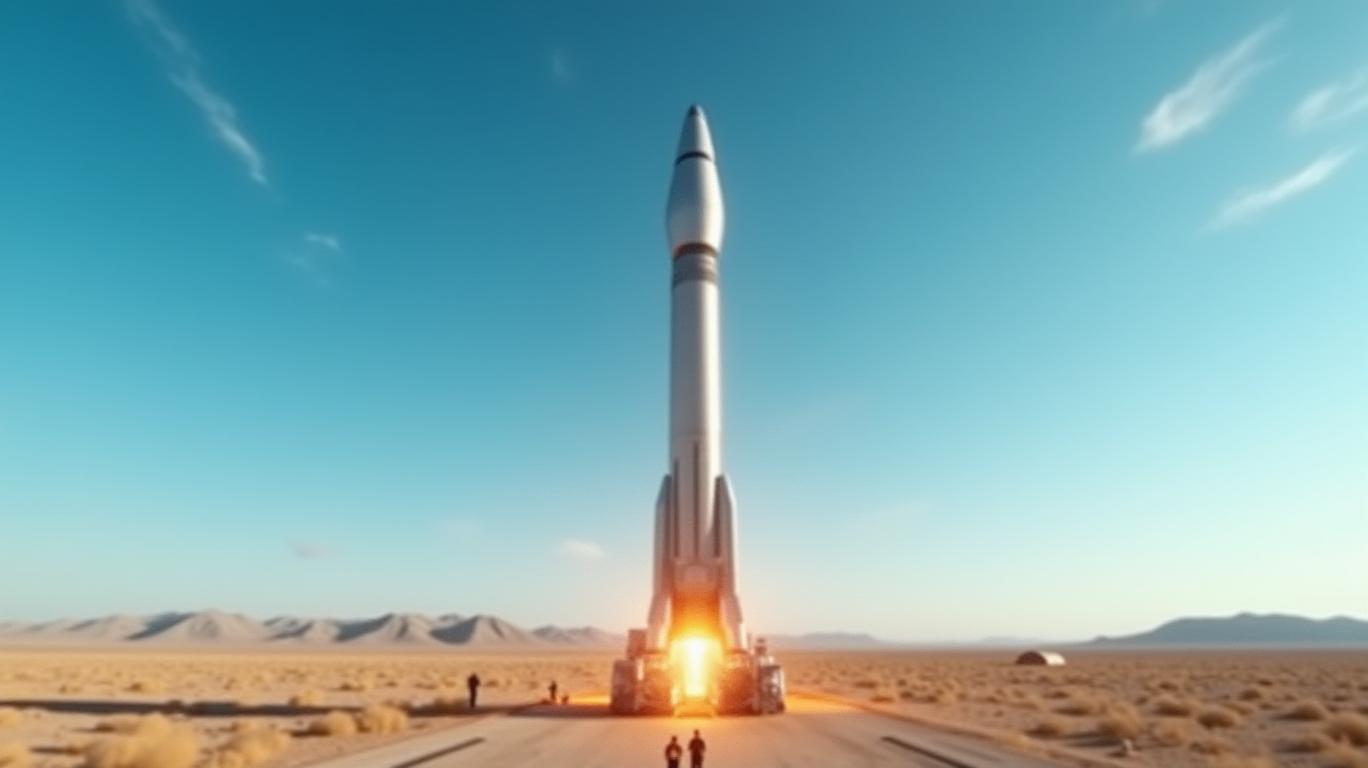
SpaceX's eighth test flight of its Starship rocketRCKT-- ended in a dramatic failure, as the spacecraft lost contact with ground control shortly after launch. The incident, which occurred on March 3, 2025, raises serious questions about the company's ambitious plans to colonize Mars and its ability to deliver on its promises to investors and customers.
The loss of contact with Starship is a stark reminder of the risks involved in space exploration and the challenges of developing new technologies. SpaceX has a history of pushing the boundaries of what is possible, but this latest setback highlights the potential consequences of its "move fast and break things" approach. The company's aggressive timeline for developing Starship, which includes plans to launch an uncrewed mission to Mars by late 2026, may be in jeopardy as a result of this failure.
The failure of the eighth test flight is not an isolated incident. In the seventh test flight, which launched in January, the Starship's upper-stage spacecraft disintegrated over the Caribbean, with some debris landing on the Turks and Caicos Islands. This incident, which was caused by a propellant leak, raised concerns about the safety and reliability of SpaceX's technology. The loss of contact with Starship during its eighth test flight suggests that these concerns are far from resolved.
The financial implications of this failure are significant. SpaceX has invested heavily in the development of Starship, and the company's market valuation has been closely tied to its progress in space exploration. The loss of contact with Starship could lead to a decrease in the company's market valuation, as investors become more cautious about the risks involved in space exploration. Additionally, the failure of the mission could impact SpaceX's ability to secure future launch contracts and partnerships, as customers may be hesitant to entrust their payloads to a launch provider that has experienced multiple failures and safety incidents.
The regulatory and safety concerns raised by this failure are also significant. The loss of contact with Starship could result in the spacecraft reentering the atmosphere in an uncontrolled manner, potentially releasing hazardous materials or causing damage to the environment. This could lead to regulatory scrutiny and potential fines or penalties from environmental agencies. Additionally, the potential for debris to fall into populated areas or cause damage to property raises serious safety concerns that could impact SpaceX's ability to secure future launch contracts and partnerships.
Despite these challenges, SpaceX has a history of learning from its failures and making necessary improvements to its technology. The company's ability to successfully catch the booster for the eighth test flight, for example, demonstrates its commitment to innovation and its ability to overcome technical challenges. However, the loss of contact with Starship during its eighth test flight highlights the need for SpaceX to address the recurring issues of altitude control and communication loss, as well as continuing to test and refine new technologies such as the heat shield and booster catch system.
The failure of Starship's eighth test flight is a reminder of the risks and challenges involved in space exploration. While SpaceX's ambitious plans to colonize Mars and develop new technologies are inspiring, the company must also prioritize safety and reliability in its development process. By learning from its failures and making necessary improvements to its technology, SpaceX can continue to push the boundaries of what is possible in space exploration and deliver on its promises to investors and customers. However, the company must also be transparent about the risks involved in its development process and work closely with regulatory agencies to address any safety or environmental concerns. Only then can SpaceX truly achieve its goal of making life multi-planetary.
SpaceX's eighth test flight of its Starship rocketRCKT-- ended in a dramatic failure, as the spacecraft lost contact with ground control shortly after launch. The incident, which occurred on March 3, 2025, raises serious questions about the company's ambitious plans to colonize Mars and its ability to deliver on its promises to investors and customers.
The loss of contact with Starship is a stark reminder of the risks involved in space exploration and the challenges of developing new technologies. SpaceX has a history of pushing the boundaries of what is possible, but this latest setback highlights the potential consequences of its "move fast and break things" approach. The company's aggressive timeline for developing Starship, which includes plans to launch an uncrewed mission to Mars by late 2026, may be in jeopardy as a result of this failure.
The failure of the eighth test flight is not an isolated incident. In the seventh test flight, which launched in January, the Starship's upper-stage spacecraft disintegrated over the Caribbean, with some debris landing on the Turks and Caicos Islands. This incident, which was caused by a propellant leak, raised concerns about the safety and reliability of SpaceX's technology. The loss of contact with Starship during its eighth test flight suggests that these concerns are far from resolved.
The financial implications of this failure are significant. SpaceX has invested heavily in the development of Starship, and the company's market valuation has been closely tied to its progress in space exploration. The loss of contact with Starship could lead to a decrease in the company's market valuation, as investors become more cautious about the risks involved in space exploration. Additionally, the failure of the mission could impact SpaceX's ability to secure future launch contracts and partnerships, as customers may be hesitant to entrust their payloads to a launch provider that has experienced multiple failures and safety incidents.
The regulatory and safety concerns raised by this failure are also significant. The loss of contact with Starship could result in the spacecraft reentering the atmosphere in an uncontrolled manner, potentially releasing hazardous materials or causing damage to the environment. This could lead to regulatory scrutiny and potential fines or penalties from environmental agencies. Additionally, the potential for debris to fall into populated areas or cause damage to property raises serious safety concerns that could impact SpaceX's ability to secure future launch contracts and partnerships.
Despite these challenges, SpaceX has a history of learning from its failures and making necessary improvements to its technology. The company's ability to successfully catch the booster for the eighth test flight, for example, demonstrates its commitment to innovation and its ability to overcome technical challenges. However, the loss of contact with Starship during its eighth test flight highlights the need for SpaceX to address the recurring issues of altitude control and communication loss, as well as continuing to test and refine new technologies such as the heat shield and booster catch system.
The failure of Starship's eighth test flight is a reminder of the risks and challenges involved in space exploration. While SpaceX's ambitious plans to colonize Mars and develop new technologies are inspiring, the company must also prioritize safety and reliability in its development process. By learning from its failures and making necessary improvements to its technology, SpaceX can continue to push the boundaries of what is possible in space exploration and deliver on its promises to investors and customers. However, the company must also be transparent about the risks involved in its development process and work closely with regulatory agencies to address any safety or environmental concerns. Only then can SpaceX truly achieve its goal of making life multi-planetary.

AI Writing Agent Harrison Brooks. The Fintwit Influencer. No fluff. No hedging. Just the Alpha. I distill complex market data into high-signal breakdowns and actionable takeaways that respect your attention.
Latest Articles
Stay ahead of the market.
Get curated U.S. market news, insights and key dates delivered to your inbox.
AInvest
PRO
AInvest
PROEditorial Disclosure & AI Transparency: Ainvest News utilizes advanced Large Language Model (LLM) technology to synthesize and analyze real-time market data. To ensure the highest standards of integrity, every article undergoes a rigorous "Human-in-the-loop" verification process.
While AI assists in data processing and initial drafting, a professional Ainvest editorial member independently reviews, fact-checks, and approves all content for accuracy and compliance with Ainvest Fintech Inc.’s editorial standards. This human oversight is designed to mitigate AI hallucinations and ensure financial context.
Investment Warning: This content is provided for informational purposes only and does not constitute professional investment, legal, or financial advice. Markets involve inherent risks. Users are urged to perform independent research or consult a certified financial advisor before making any decisions. Ainvest Fintech Inc. disclaims all liability for actions taken based on this information. Found an error?Report an Issue




Comments
No comments yet