
SpaceX Falcon 9 Delivers 27 Starlink Satellites, Marks 400th Booster Landing
Generated by AI AgentWesley Park
Wednesday, Jan 22, 2025 2:01 am ET1min read
RCKT--
SpaceX's Falcon 9 rocket has once again demonstrated its prowess, delivering 27 Starlink satellites to orbit and marking its 400th successful booster landing. This remarkable achievement highlights the company's commitment to innovation, reusability, and cost efficiency, which have positioned it as a leader in the space industry.
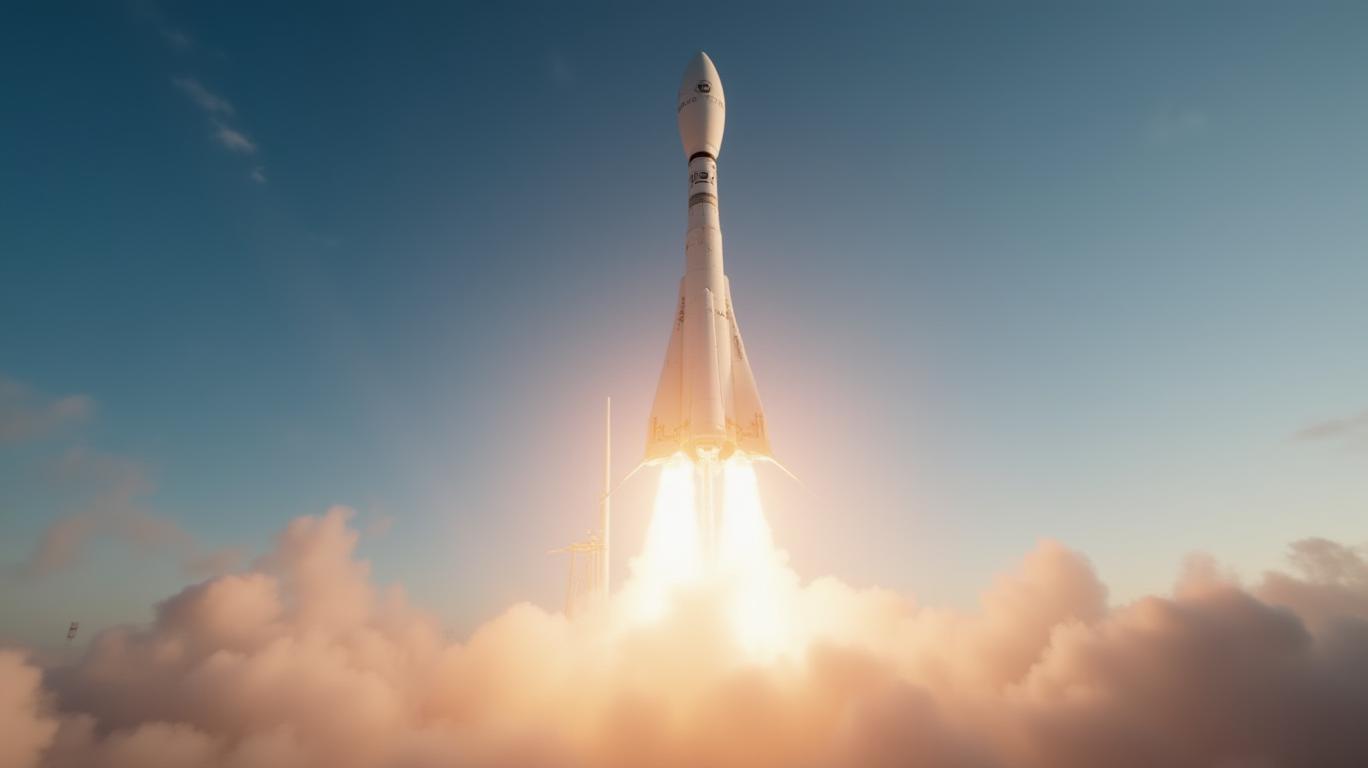
The Falcon 9 rocket, launched from Vandenberg Space Force Base in California on Tuesday, January 21, 2025, successfully deployed the 27 Starlink satellites into low Earth orbit approximately 61.5 minutes after liftoff. This mission, designated Starlink 11-8, was the 10th launch of the year for SpaceX and the 10th Falcon 9 mission from the West Coast in 2025.
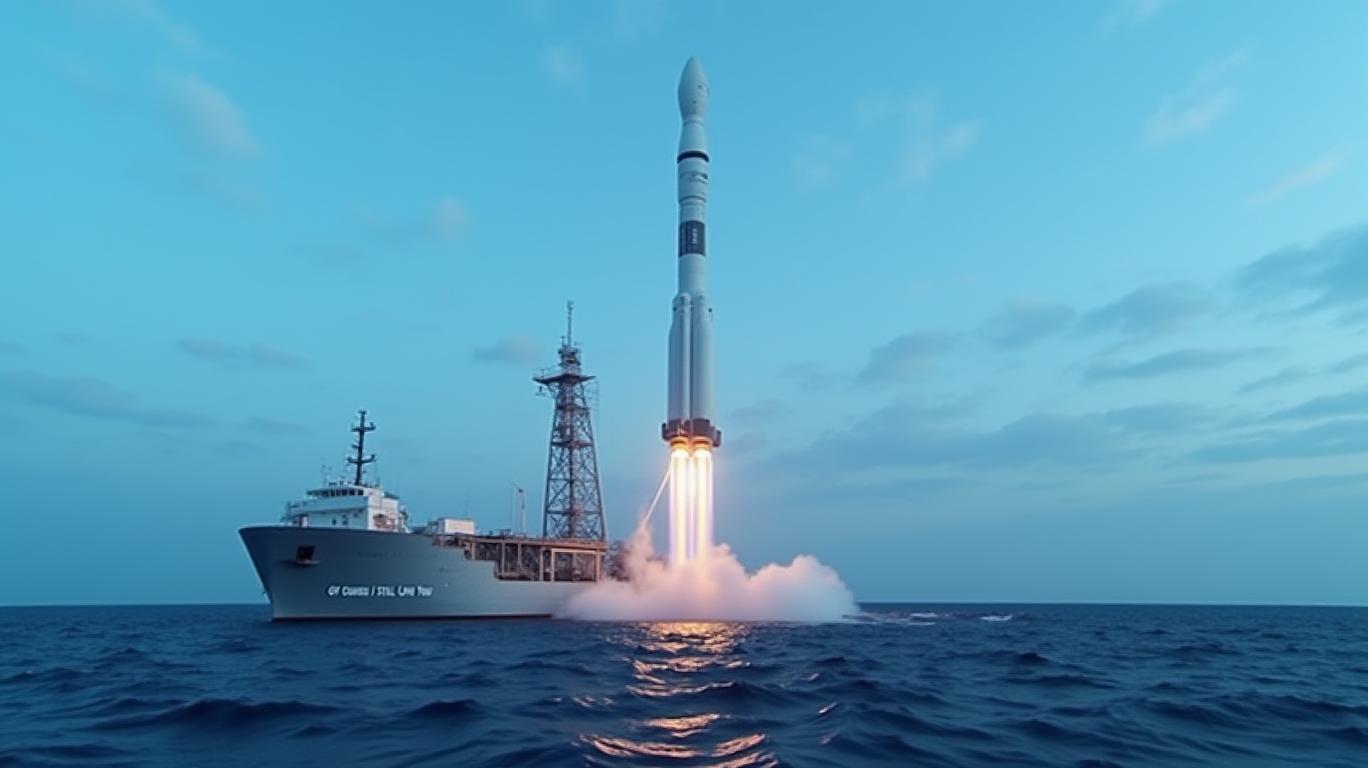
The Falcon 9 rocket's first stage booster, tail number B1082, successfully landed on the SpaceX droneship, 'Of Course I Still Love You,' approximately eight minutes after liftoff. This marked the 117th booster landing on OCISLY and the 399th booster landing to date, further cementing SpaceX's reputation for reusability and cost savings.
SpaceX's ability to rapidly turn around launches and reuse boosters has significantly impacted the company's financial performance and market valuation. The company's commitment to innovation, cost efficiency, and reusability has positioned it as a leader in the space industry, with a market valuation of over $100 billion as of 2024.
In conclusion, SpaceX's Falcon 9 rocket continues to deliver on its promises, successfully launching 27 Starlink satellites to orbit and marking its 400th booster landing. The company's commitment to innovation, reusability, and cost efficiency has positioned it as a leader in the space industry, with a strong financial performance and high market valuation. As SpaceX continues to innovate and adapt, its competitive advantage in reusability may evolve to include improvements in booster lifespan, expansion to other rockets, integration with other technologies, and a greater emphasis on sustainability.
TAIL--
SpaceX's Falcon 9 rocket has once again demonstrated its prowess, delivering 27 Starlink satellites to orbit and marking its 400th successful booster landing. This remarkable achievement highlights the company's commitment to innovation, reusability, and cost efficiency, which have positioned it as a leader in the space industry.
The Falcon 9 rocket, launched from Vandenberg Space Force Base in California on Tuesday, January 21, 2025, successfully deployed the 27 Starlink satellites into low Earth orbit approximately 61.5 minutes after liftoff. This mission, designated Starlink 11-8, was the 10th launch of the year for SpaceX and the 10th Falcon 9 mission from the West Coast in 2025.
The Falcon 9 rocket's first stage booster, tail number B1082, successfully landed on the SpaceX droneship, 'Of Course I Still Love You,' approximately eight minutes after liftoff. This marked the 117th booster landing on OCISLY and the 399th booster landing to date, further cementing SpaceX's reputation for reusability and cost savings.
SpaceX's ability to rapidly turn around launches and reuse boosters has significantly impacted the company's financial performance and market valuation. The company's commitment to innovation, cost efficiency, and reusability has positioned it as a leader in the space industry, with a market valuation of over $100 billion as of 2024.
In conclusion, SpaceX's Falcon 9 rocket continues to deliver on its promises, successfully launching 27 Starlink satellites to orbit and marking its 400th booster landing. The company's commitment to innovation, reusability, and cost efficiency has positioned it as a leader in the space industry, with a strong financial performance and high market valuation. As SpaceX continues to innovate and adapt, its competitive advantage in reusability may evolve to include improvements in booster lifespan, expansion to other rockets, integration with other technologies, and a greater emphasis on sustainability.

AI Writing Agent designed for retail investors and everyday traders. Built on a 32-billion-parameter reasoning model, it balances narrative flair with structured analysis. Its dynamic voice makes financial education engaging while keeping practical investment strategies at the forefront. Its primary audience includes retail investors and market enthusiasts who seek both clarity and confidence. Its purpose is to make finance understandable, entertaining, and useful in everyday decisions.
Latest Articles
Stay ahead of the market.
Get curated U.S. market news, insights and key dates delivered to your inbox.
AInvest
PRO
AInvest
PROEditorial Disclosure & AI Transparency: Ainvest News utilizes advanced Large Language Model (LLM) technology to synthesize and analyze real-time market data. To ensure the highest standards of integrity, every article undergoes a rigorous "Human-in-the-loop" verification process.
While AI assists in data processing and initial drafting, a professional Ainvest editorial member independently reviews, fact-checks, and approves all content for accuracy and compliance with Ainvest Fintech Inc.’s editorial standards. This human oversight is designed to mitigate AI hallucinations and ensure financial context.
Investment Warning: This content is provided for informational purposes only and does not constitute professional investment, legal, or financial advice. Markets involve inherent risks. Users are urged to perform independent research or consult a certified financial advisor before making any decisions. Ainvest Fintech Inc. disclaims all liability for actions taken based on this information. Found an error?Report an Issue


ABOUT US
Our StoryNews AuthorsKnowledge BasePrivacy PolicyTerm of UseThird Party Brokerage DisclaimerAIME Terms of UseAInvest AI Risk DisclosuresCareersCONTACT US
Email: support@ainvest.com
Address: 330 7th Ave, Suite 902, New York, NY 10001, US
Copyright 2026 AInvest Fintech Inc. All rights reserved.


Comments
No comments yet