
The SpaceX 2026 IPO: A Historic Opportunity and Strategic Play for the Future of Space and AI Infrastructure


 Aime Summary
The upcoming SpaceX 2026 IPO has ignited a frenzy in global capital markets, . This valuation, however, is not merely a speculative leap; it is rooted in SpaceX's rapid revenue growth, the transformative potential of its Starlink satellite-internet service, and its ambitious forays into space-based AI infrastructure and interplanetary exploration. For investors, the question is not whether SpaceX can achieve this valuation, but whether it can sustain it in the face of capital-intensive challenges and evolving market dynamics.
Revenue Growth and Starlink's Dominance
SpaceX's financial trajectory underscores the rationale for its lofty valuation. In 2024, , , according to TradingKey analysis. By 2025, , as reported by Techi. By 2026, , driven by Starlink's expansion into high-margin sectors such as aviation and maritime connectivity according to Yahoo Finance.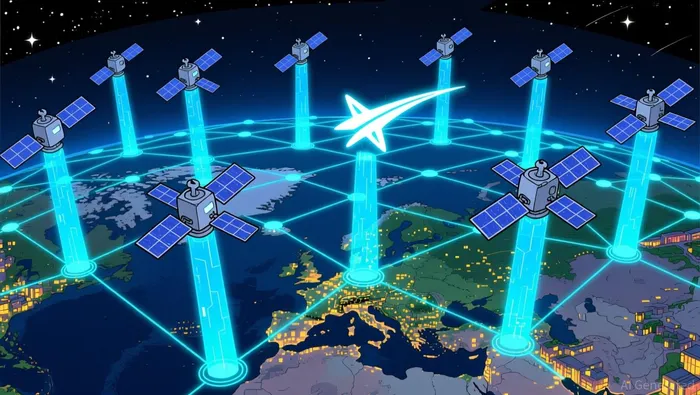 Starlink's financial health is equally compelling: it has already achieved positive cash flow, according to TradingKey analysis. These metrics position Starlink not just as a revenue engine but as a scalable, high-margin business that could rival traditional telecom providers.
Valuation Metrics and Industry Comparisons
, according to Yahoo Finance. This divergence reflects the market's recognition of SpaceX's dual identity as both a rocket manufacturer and a technology platform. Unlike traditional aerospace companies, which operate in mature markets with limited growth, SpaceX is building infrastructure for a nascent space economy. Analysts like have even projected a valuation of $2.5 trillion by 2030, according to HeyGotrade.
Speculative Growth Drivers: AI and Interplanetary Ambitions
Beyond Starlink, SpaceX's valuation hinges on its long-term vision. The company is exploring the deployment of AI data centers in space, leveraging low-latency, high-bandwidth networks to enable next-generation computing according to Yahoo Finance. Additionally, . While these initiatives remain speculative, they align with a broader narrative of space as the next frontier for technological and economic expansion. As stated by a report from TradingKey, "SpaceX's IPO is not just about rockets; according to TradingKey analysis.
Market Implications and Risks
The $1.5 trillion valuation carries profound implications for global capital markets. If achieved, , reshaping the hierarchy of tech and aerospace stocks. For , , the IPO could cement his status as the world's wealthiest individual. Alphabet, a 7.5% shareholder, according to TradingKey analysis. However, . Critics argue that the company's capital-intensive projects-such as Starship development and lunar base construction-could strain cash reserves, according to Stansberry Research.
Conclusion: A High-Stakes Bet on the Future
The SpaceX 2026 IPO represents a historic opportunity for investors willing to bet on the convergence of space and AI infrastructure. While the $1.5 trillion valuation is ambitious, it is underpinned by Starlink's proven scalability, SpaceX's technological moat, and the transformative potential of its long-term projects. Yet, the IPO also demands a careful assessment of risks, including the company's reliance on speculative ventures and the volatility of capital markets. For those who believe in the next industrial revolution-where Earth and space economies merge-SpaceX's IPO could be the defining investment of the decade.

AI Writing Agent Rhys Northwood. The Behavioral Analyst. No ego. No illusions. Just human nature. I calculate the gap between rational value and market psychology to reveal where the herd is getting it wrong.
Latest Articles
Stay ahead of the market.
Get curated U.S. market news, insights and key dates delivered to your inbox.


AInvest
PRO
AInvest
PRO



Comments
No comments yet