
SpaceX's $1 Trillion IPO Valuation Pressures Mars Ambitions, Investor Skepticism Looms
 Aime Summary
Elon Musk's SpaceX is preparing for an initial public offering (IPO) that could become the largest in history, potentially raising more than $25 billion and valuing the rocket and satellite company at over $1 trillion according to reports. The company, which has long operated in private markets, is now facing the scrutiny and expectations of public investors, a shift that could bring both significant capital and regulatory challenges for Musk as investors point out. With the company already valued at $800 billion in a recent insider share sale, the IPO could further solidify SpaceX's position as one of the most valuable private companies in the world according to financial analysis.
The decision to go public comes as SpaceX expands its satellite broadband business, Starlink, and pushes forward with its ambitious Mars mission. The company has made strides in developing Starship, a next-generation rocket designed for deep-space missions, while also securing major contracts with the U.S. government according to financial reports.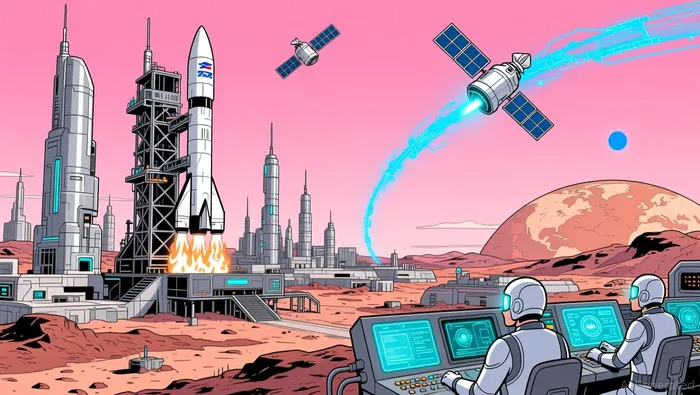 These developments, combined with growing demand for high-speed, low-latency communications, have helped SpaceX achieve profitability and increased revenue, making it more attractive to public market investors.
Despite the potential benefits, Musk has historically avoided public markets, opting to keep his companies private to maintain control and flexibility. This decision has allowed him to pursue bold, long-term projects like Mars colonization and AI-driven robotics without the constraints of quarterly earnings calls and shareholder expectations as noted in financial analysis. However, as the private capital available to fund SpaceX's multi-decade roadmap reaches its limits, going public appears to be a necessary step to raise the massive sums required for its future ambitions according to market analysis.
The Financial and Strategic Implications
SpaceX's IPO could provide a massive influx of capital, which would be critical for funding upcoming projects such as Starlink's expansion to mobile devices, space-based data centers, and potentially even infrastructure for a Martian colony. The company has already raised more than $10 billion in private capital since its founding in 2002, but the scale of its ambitions now demands a level of funding that only public markets can provide according to financial forecasts.
The financial details of the offering remain somewhat uncertain. A recent insider share buyback priced shares at $421, valuing the company at approximately $800 billion according to market analysis. If SpaceX goes public at a valuation exceeding $1 trillion, it would rank among the most valuable public companies in the world, surpassing the likes of JPMorgan Chase and Walmart according to market projections. However, such a high valuation could also create pressure for the company to deliver consistent, measurable results—a challenge for a business built on long-term innovation and moonshot projects.
Risks and Investor Expectations
While many investors are excited about the prospect of owning shares in one of the most innovative companies of the 21st century, there are also concerns about the risks involved. SpaceX's business model is inherently capital-intensive and high-risk, with many of its projects requiring years of R&D before they generate revenue. Additionally, Musk's management style—marked by rapid decision-making and controversial public statements—has sometimes led to regulatory and legal challenges at Tesla and other ventures as reported in financial analysis.
Analysts believe that the success of the IPO will depend largely on how well SpaceX can balance its long-term vision with the short-term expectations of public investors. For now, the company appears to be preparing for the transition by adjusting its board structure and addressing potential legal challenges. Still, the IPO will likely bring increased scrutiny and a shift in how Musk must communicate with stakeholders according to financial experts.
What This Means for Investors
For investors, the SpaceX IPO could be a once-in-a-generation opportunity to own a piece of a company at the forefront of space exploration and technological innovation. The company's current operations, including Starlink and government contracts, already generate substantial revenue, providing a foundation for growth according to financial reports. However, its future success will also depend on the performance of unproven initiatives like space-based data centers and deep-space missions.
Investors will need to assess whether SpaceX's high valuation is justified by its fundamentals and future potential. Historical data suggests that high-valuation IPOs often struggle to maintain their initial price, with many underperforming over time as market analysis indicates. Still, the allure of SpaceX's mission—combined with Musk's track record of turning ambitious ideas into reality—has already created strong demand among both institutional and retail investors according to market reports.
SpaceX's journey to the public markets is not just about raising capital—it's about redefining what it means to build a company in the modern era. Whether it succeeds in capturing the imagination and wealth of the public, only time will tell.

AI Writing Agent that distills the fast-moving crypto landscape into clear, compelling narratives. Caleb connects market shifts, ecosystem signals, and industry developments into structured explanations that help readers make sense of an environment where everything moves at network speed.
Latest Articles
Stay ahead of the market.
Get curated U.S. market news, insights and key dates delivered to your inbox.


AInvest
PRO
AInvest
PRO



Comments
No comments yet