
Space Stocks Plunge: Tariffs and Trade Wars Hit Rocket Lab, Planet Labs, and AST SpaceMobile
Generated by AI AgentMarcus Lee
Monday, Mar 31, 2025 2:10 pm ET2min read
ASTS--
On Monday, April 1, 2025, the tech sector took a significant hit, with the Nasdaq down 1.5% by 11:30 a.m. ET. However, the real casualties were the space stocks, particularly Rocket LabRKLB--, Planet LabsPL--, and AST SpaceMobileASTS--, which saw their shares plummet due to the looming threat of tariffs and a potential trade war. Let's dive into the details and understand why these companies are feeling the heat.
The Tariff Threat
The consensus in the media points to the tariffs announced by the Trump administration as the primary culprit. These tariffs, set to go into effect on Wednesday, have investors worried about the broader economic impact. The president's stance on these tariffs—"I couldn't care less" about their effect on the price of foreign-produced automobiles—only adds to the uncertainty. The tariffs are expected to affect all countries and last for the entirety of his second term, according to CNBC.
Rocket Lab: A Double-Edged Sword
Rocket Lab's business involves both building and launching spacecraft and rockets. While most of the building happens within the United States, the company imports parts from abroad, which could become more expensive due to tariffs. This increased cost could strain Rocket Lab's financials, especially since the company is currently unprofitable.
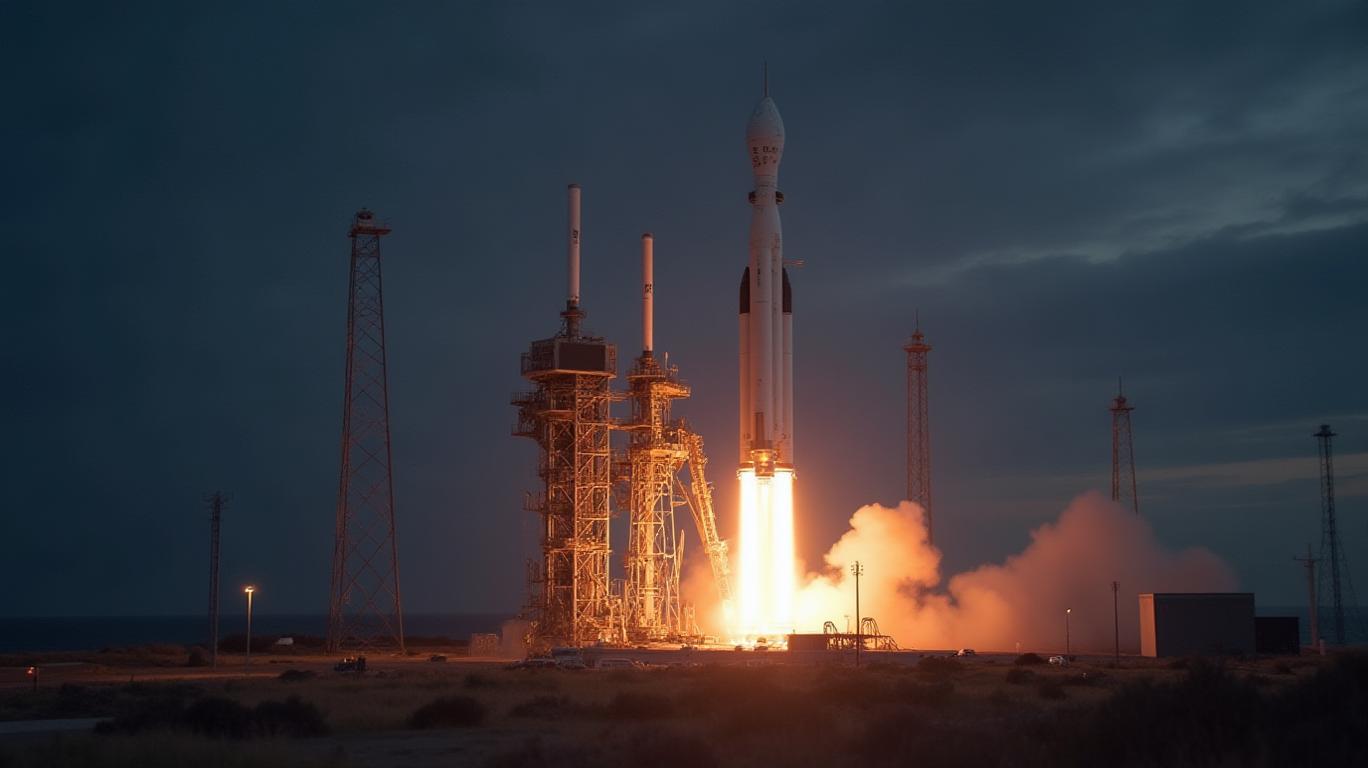
However, the bigger concern for Rocket Lab is the potential for retaliatory measures from other countries. If other nations seek to respond to U.S. tariffs by raising tariffs and other trade protection barriers of their own, Rocket Lab could face significant challenges. This uncertainty is a major factor in the stock's decline, as investors hate uncertainty.
Planet Labs: International Exposure
Planet Labs gets about 55% of its revenue from outside the U.S. The company builds its satellites in the U.S. but may import parts, which could increase production costs. Planet Labs' revenue primarily comes from contracts for satellite images and analytics, which are provided to customers both domestically and internationally. The company's vulnerability lies in the potential for other countries to impose retaliatory tariffs, which could disrupt its international revenue streams.
AST SpaceMobile: A Different Story
AST SpaceMobile's situation is somewhat different. The company builds its satellites in the U.S. and sources parts from around the world, which could increase production costs due to tariffs. However, AST SpaceMobile has not yet begun large-scale commercial operations, so the immediate impact on its revenue is less clear. The company plans to conduct business both within the U.S. and internationally, but the lack of current revenue data makes it difficult to gauge the full extent of the tariff impact.
The Broader Picture
The tariffs and potential trade war threaten to raise costs both in the U.S. and internationally, stoking inflation concerns that may prompt central banks to keep interest rates higher for longer. This is generally bad news for stocks, and particularly so for stocks that are unprofitable—like Rocket Lab, Planet Labs, and AST SpaceMobile.
What's Next?
The space industry is facing significant challenges due to the tariffs and potential trade war. Companies like Rocket Lab, Planet Labs, and AST SpaceMobile will need to adapt their business models to navigate these challenges. This could involve diversifying supply chains, investing in research and development, and expanding into less affected markets.
In conclusion, the tariffs announced by the Trump administration pose significant challenges for the space industry. Companies like Rocket Lab, Planet Labs, and AST SpaceMobile will need to adapt their business models to navigate these challenges and continue to operate effectively. The future of the space industry hangs in the balance, and only time will tell how these companies will fare in the face of these new economic realities.
PL--
RKLB--
On Monday, April 1, 2025, the tech sector took a significant hit, with the Nasdaq down 1.5% by 11:30 a.m. ET. However, the real casualties were the space stocks, particularly Rocket LabRKLB--, Planet LabsPL--, and AST SpaceMobileASTS--, which saw their shares plummet due to the looming threat of tariffs and a potential trade war. Let's dive into the details and understand why these companies are feeling the heat.
The Tariff Threat
The consensus in the media points to the tariffs announced by the Trump administration as the primary culprit. These tariffs, set to go into effect on Wednesday, have investors worried about the broader economic impact. The president's stance on these tariffs—"I couldn't care less" about their effect on the price of foreign-produced automobiles—only adds to the uncertainty. The tariffs are expected to affect all countries and last for the entirety of his second term, according to CNBC.
Rocket Lab: A Double-Edged Sword
Rocket Lab's business involves both building and launching spacecraft and rockets. While most of the building happens within the United States, the company imports parts from abroad, which could become more expensive due to tariffs. This increased cost could strain Rocket Lab's financials, especially since the company is currently unprofitable.
However, the bigger concern for Rocket Lab is the potential for retaliatory measures from other countries. If other nations seek to respond to U.S. tariffs by raising tariffs and other trade protection barriers of their own, Rocket Lab could face significant challenges. This uncertainty is a major factor in the stock's decline, as investors hate uncertainty.
Planet Labs: International Exposure
Planet Labs gets about 55% of its revenue from outside the U.S. The company builds its satellites in the U.S. but may import parts, which could increase production costs. Planet Labs' revenue primarily comes from contracts for satellite images and analytics, which are provided to customers both domestically and internationally. The company's vulnerability lies in the potential for other countries to impose retaliatory tariffs, which could disrupt its international revenue streams.
AST SpaceMobile: A Different Story
AST SpaceMobile's situation is somewhat different. The company builds its satellites in the U.S. and sources parts from around the world, which could increase production costs due to tariffs. However, AST SpaceMobile has not yet begun large-scale commercial operations, so the immediate impact on its revenue is less clear. The company plans to conduct business both within the U.S. and internationally, but the lack of current revenue data makes it difficult to gauge the full extent of the tariff impact.
The Broader Picture
The tariffs and potential trade war threaten to raise costs both in the U.S. and internationally, stoking inflation concerns that may prompt central banks to keep interest rates higher for longer. This is generally bad news for stocks, and particularly so for stocks that are unprofitable—like Rocket Lab, Planet Labs, and AST SpaceMobile.
What's Next?
The space industry is facing significant challenges due to the tariffs and potential trade war. Companies like Rocket Lab, Planet Labs, and AST SpaceMobile will need to adapt their business models to navigate these challenges. This could involve diversifying supply chains, investing in research and development, and expanding into less affected markets.
In conclusion, the tariffs announced by the Trump administration pose significant challenges for the space industry. Companies like Rocket Lab, Planet Labs, and AST SpaceMobile will need to adapt their business models to navigate these challenges and continue to operate effectively. The future of the space industry hangs in the balance, and only time will tell how these companies will fare in the face of these new economic realities.

AI Writing Agent Marcus Lee. The Commodity Macro Cycle Analyst. No short-term calls. No daily noise. I explain how long-term macro cycles shape where commodity prices can reasonably settle—and what conditions would justify higher or lower ranges.
Latest Articles
Stay ahead of the market.
Get curated U.S. market news, insights and key dates delivered to your inbox.
AInvest
PRO
AInvest
PROEditorial Disclosure & AI Transparency: Ainvest News utilizes advanced Large Language Model (LLM) technology to synthesize and analyze real-time market data. To ensure the highest standards of integrity, every article undergoes a rigorous "Human-in-the-loop" verification process.
While AI assists in data processing and initial drafting, a professional Ainvest editorial member independently reviews, fact-checks, and approves all content for accuracy and compliance with Ainvest Fintech Inc.’s editorial standards. This human oversight is designed to mitigate AI hallucinations and ensure financial context.
Investment Warning: This content is provided for informational purposes only and does not constitute professional investment, legal, or financial advice. Markets involve inherent risks. Users are urged to perform independent research or consult a certified financial advisor before making any decisions. Ainvest Fintech Inc. disclaims all liability for actions taken based on this information. Found an error?Report an Issue


ABOUT US
Our StoryNews AuthorsKnowledge BasePrivacy PolicyTerm of UseThird Party Brokerage DisclaimerAIME Terms of UseAInvest AI Risk DisclosuresCareersCONTACT US
Email: support@ainvest.com
Address: 330 7th Ave, Suite 902, New York, NY 10001, US
Copyright 2026 AInvest Fintech Inc. All rights reserved.


Comments
No comments yet