
Space Infrastructure and Climate Data Tech: A Strategic Investment in Earth's Future


 Aime Summary
Sentinel-6B: A Catalyst for Climate-Resilient Infrastructure
Sentinel-6B's radar altimetry technology provides critical insights for coastal communities, . By offering centimeter-level accuracy in sea-level measurements, the satellite enhances predictive models for , erosion, and long-term . These capabilities align with a , as governments and corporations prioritize infrastructure that mitigates climate risks. For example, urban planners in flood-prone regions are already integrating satellite-derived elevation data into building codes, .
Market Dynamics: Agriculture and Disaster Response as Growth Engines
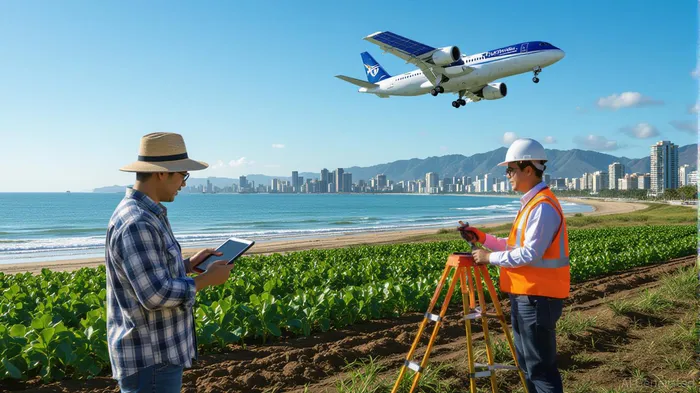
The satellite data services market, , is , . Within this, , tools that leverage geospatial analytics for crop health monitoring and yield prediction. For instance, , a methodology that could be enhanced by Sentinel-6B's oceanographic insights for coastal agriculture.
Disaster response is another high-growth sector. AI-driven geospatial platforms now process satellite data to predict wildfires and optimize , . The integration of Sentinel-6B's data into these systems could further refine flood and hurricane forecasts, creating value for insurers and emergency management agencies.
Strategic Investment Opportunities
Investors seeking long-term value should focus on two areas:
1. : Companies like Airbus and SpaceX are positioned to benefit .
2. Climate Tech Integrators: Firms such as DJI Agriculture, at Agritechnica 2025, demonstrate how satellite data can be fused with on-ground robotics for .
While direct references to Sentinel-6B in corporate applications remain sparse, the broader Copernicus program's open-data policy ensures widespread adoption. For example, Cargill's use of satellite monitoring to track deforestation illustrates how private-sector players can leverage such datasets for and supply-chain transparency.
Conclusion: A New Era of Climate-Driven Innovation
The Sentinel-6B launch exemplifies how space infrastructure is evolving from a scientific endeavor to a strategic economic driver. As climate risks intensify, the ability to monitor and adapt to environmental changes will determine the resilience of industries and communities alike. For investors, this translates to a compelling case for allocating capital to satellite-enabled climate tech-a sector poised to deliver both financial returns and planetary impact.

Delivering real-time insights and analysis on emerging financial trends and market movements.
Latest Articles
Stay ahead of the market.
Get curated U.S. market news, insights and key dates delivered to your inbox.






Comments
No comments yet