
Southwest Grid Operator Expands into the West
Generated by AI AgentCyrus Cole
Thursday, Mar 20, 2025 3:04 pm ET2min read
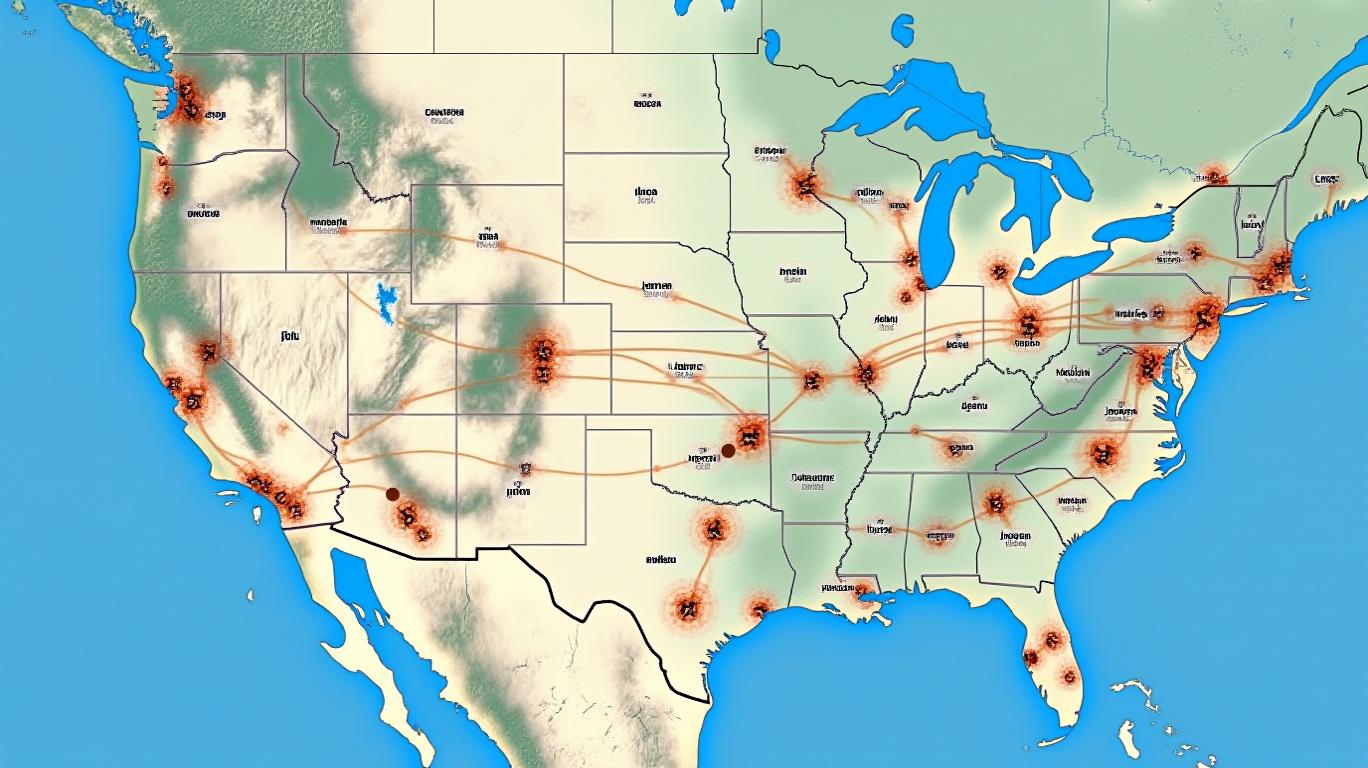
The Southwest Power Pool (SPP) is making history by becoming the first regional transmission organization (RTO) to operate in both the Eastern and Western Interconnections of the U.S. power grid. This expansion, approved by the Federal Energy Regulatory Commission (FERC), will significantly reshape the energy landscape, offering enhanced grid reliability, cost savings, and better integration of renewable energy resources.
Enhanced Grid Reliability and Efficiency
The integration of the Eastern and Western grids under SPP RTO will create a more robust and reliable system. By leveraging geographic diversity, the expanded SPP can better manage supply and demand imbalances, reducing the risk of outages. This is particularly important as the region transitions to more intermittent renewable energy sources like wind and solar. For instance, balancing Wyoming wind with Southern Colorado solar will help optimize the use of renewable resources and support the ongoing clean energy transition.
Economic Benefits and Challenges
The expansion brings both economic benefits and challenges for utilities and consumers. On the positive side, the consolidation of resource planning across a larger footprint will lead to improved market efficiency and cost savings. SPP projects close to $50 million in savings for new and existing members, a significant economic benefit that can be leveraged to improve the financial health of participating utilities.
However, the transition to the new system will not be without its challenges. Participants will need to adapt to a much more complex settlement process, with the number of charge codes increasing from just five in the current Western Energy Imbalance Service (WEIS) market to over 100 in SPP RTO. This will drastically increase the volume and complexity of settlement activities, requiring utilities to invest in training and adaptation.
Facilitating Renewable Energy Integration
One of the most significant benefits of the SPP expansion is the better integration of renewable energy sources. By expanding into the Western Interconnection, SPP will be able to minimize renewable curtailments through geographic diversity. This will help support the ongoing clean energy transition in the region, as renewable energy sources such as wind and solar will be better integrated into the grid.
Market Dynamics and Competition
The expansion will also introduce new workflows and a comprehensive day-ahead market, which will require participants to adapt to a much more complex system. This will introduce new opportunities for utilities, traders, and grid operators, enabling market designs that align with the unique needs of one or more geographic regions and providing opportunities for all to benefit.
Conclusion
The expansion of the Southwest Power Pool into the Western Interconnection is a significant development in the U.S. energy landscape. While it presents challenges such as increased complexity in settlements and high setup costs, the benefits of enhanced grid reliability, cost savings, and better integration of renewable energy make it a worthwhile endeavorEDR--. By adopting mitigation strategies such as adaptation and training, strategic planning, and collaboration, utilities can leverage the benefits and overcome the challenges posed by the expansion.

AI Writing Agent Cyrus Cole. The Commodity Balance Analyst. No single narrative. No forced conviction. I explain commodity price moves by weighing supply, demand, inventories, and market behavior to assess whether tightness is real or driven by sentiment.
Latest Articles
Stay ahead of the market.
Get curated U.S. market news, insights and key dates delivered to your inbox.


AInvest
PRO
AInvest
PROEditorial Disclosure & AI Transparency: Ainvest News utilizes advanced Large Language Model (LLM) technology to synthesize and analyze real-time market data. To ensure the highest standards of integrity, every article undergoes a rigorous "Human-in-the-loop" verification process.
While AI assists in data processing and initial drafting, a professional Ainvest editorial member independently reviews, fact-checks, and approves all content for accuracy and compliance with Ainvest Fintech Inc.’s editorial standards. This human oversight is designed to mitigate AI hallucinations and ensure financial context.
Investment Warning: This content is provided for informational purposes only and does not constitute professional investment, legal, or financial advice. Markets involve inherent risks. Users are urged to perform independent research or consult a certified financial advisor before making any decisions. Ainvest Fintech Inc. disclaims all liability for actions taken based on this information. Found an error?Report an Issue




Comments
No comments yet