
Southwest Airlines' Baggage Fee Strategy: A Necessary Shift or a Risky Gamble?
Southwest Airlines, once the poster child of no-frills, fee-free flying, has made a dramatic pivot. Starting May 28, 2025, the airline began charging $35 for the first checked bag and $45 for the second—a move that ends its iconic “Bags Fly Free” policy and marks a stark departure from its core identity. The question for investors is: Is this a strategic masterstroke to stabilize cash flows amid a turbulent industry, or a risky gamble that risks alienating its loyal customer base?
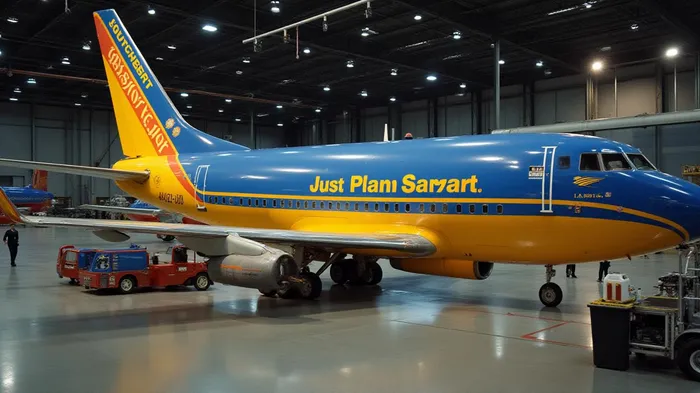
The Case for Operational Resilience and Revenue Diversification
Post-pandemic, airlines face a brutal reality: volatile fuel prices, labor shortages, and inflation. Southwest's decision to adopt baggage fees aligns with a broader industry shift toward revenue diversification. The airline estimates the move could generate $1.5 billion annually, a critical boost to offset rising operational costs. For context, show a 5.17% stock surge on May 27, 2025, signaling investor confidence in this strategy.
The rationale is clear: cash flow stability. With fuel costs consuming 20% of operating expenses and labor disputes simmering, Southwest needs every dollar. The fees also mirror moves by peers like Delta and JetBlue, which have hiked baggage charges and introduced premium seating to bolster margins.
Customer Retention Risks: Perception vs. Reality
Yet, the strategy comes with risks. Southwest's brand equity has long relied on its “no hidden fees” ethos. Post-announcement data reveals a sharp drop in customer sentiment:
- Value perception (YouGov) fell from 24.8 to 14.3, as travelers perceived reduced cost-effectiveness.
- Purchase intent declined by 34%, with some vowing to switch carriers.
However, show Southwest remains the economy class leader (694 vs. Delta's 662), suggesting existing customers still value its core strengths: simplicity and low base fares. The 2022 operational outage saw similar backlash but no long-term booking declines—a precedent for resilience.
Competitive Positioning: Can Southwest Stay Ahead?
Southwest's rivals are capitalizing on its shift. Delta and JetBlue, with their premium services, are well-positioned to attract travelers willing to pay for comfort:
- Delta's premium economy (717 satisfaction score) and JetBlue's Mint business class (738) cater to higher-margin passengers.
- Both have maintained stable market shares (Delta at 25%, JetBlue at 3.9%) while Southwest's hovers at 11.2%, unchanged.
Yet, Southwest's economy dominance and route network—now paired with assigned seating by 2026 (to improve efficiency)—could retain its mass-market appeal. The airline's focus on Basic fares (lower prices with restrictions) aims to counter budget carriers like Spirit, even as critics decry the loss of flexibility.
The Bottom Line: Sustainable or Short-Term?
The strategy's sustainability hinges on two factors:
1. Customer Loyalty: While brand perception has dipped, repeat travelers remain. Southwest's A-List members and credit card holders retain free bags, preserving loyalty for its highest-value customers.
2. Competitor Pressure: Delta and JetBlue's investments in premium services may limit Southwest's ability to fully recapture lost market share.
reveals a $893M cash buffer and strategic capacity cuts (e.g., scaling back Las Vegas flights), showing fiscal discipline. This suggests management is prioritizing profitability over growth—a cautious but prudent move in uncertain times.
Investment Takeaway: Hold for Now, But Monitor Closely
Southwest's baggage fee hike is a necessary, if imperfect, adjustment to industry realities. While customer backlash is real, the airline's economy-class leadership and operational tweaks (assigned seating, premium tiers) provide a path forward. Investors should hold shares but remain vigilant: if customer churn accelerates or fuel costs spike further, the strategy's risks could outweigh rewards.
For now, the stock's post-announcement rally and cash-rich balance sheet suggest the market is betting on Southwest's ability to navigate this shift. But in an industry where customer sentiment can turn on a dime, this is a story to watch closely.
Final verdict: A strategic pivot with growth potential—but only if Southwest can balance revenue needs with its loyalists' expectations.

Stay ahead of the market.
Get curated U.S. market news, insights and key dates delivered to your inbox.




Comments
No comments yet