
South Sudan's Fragile Recovery: Oil, Agriculture, and the Investment Crossroads
The United Nations’ recent call for a ceasefire in South Sudan underscores the precarious state of a nation where economic recovery hinges on stability. As fighting flares between rival factions, investors face a labyrinth of risks and opportunities. This analysis explores the twinTWIN-- pillars of South Sudan’s economy—oil and agriculture—and evaluates whether the current environment can foster sustainable investment.
The Oil Sector: A Delicate Rebound
South Sudan’s oil production, the lifeblood of its economy, resumed in early 2025 after a near-yearlong shutdown caused by Sudan’s civil war. Output reached 90,000 barrels per day (bpd) by April 2025, a partial recovery from pre-crisis levels of 150,000 bpd. While this uptick could push GDP growth to 17% in 2025 (per Fitch Solutions), the sector remains shackled by systemic vulnerabilities.
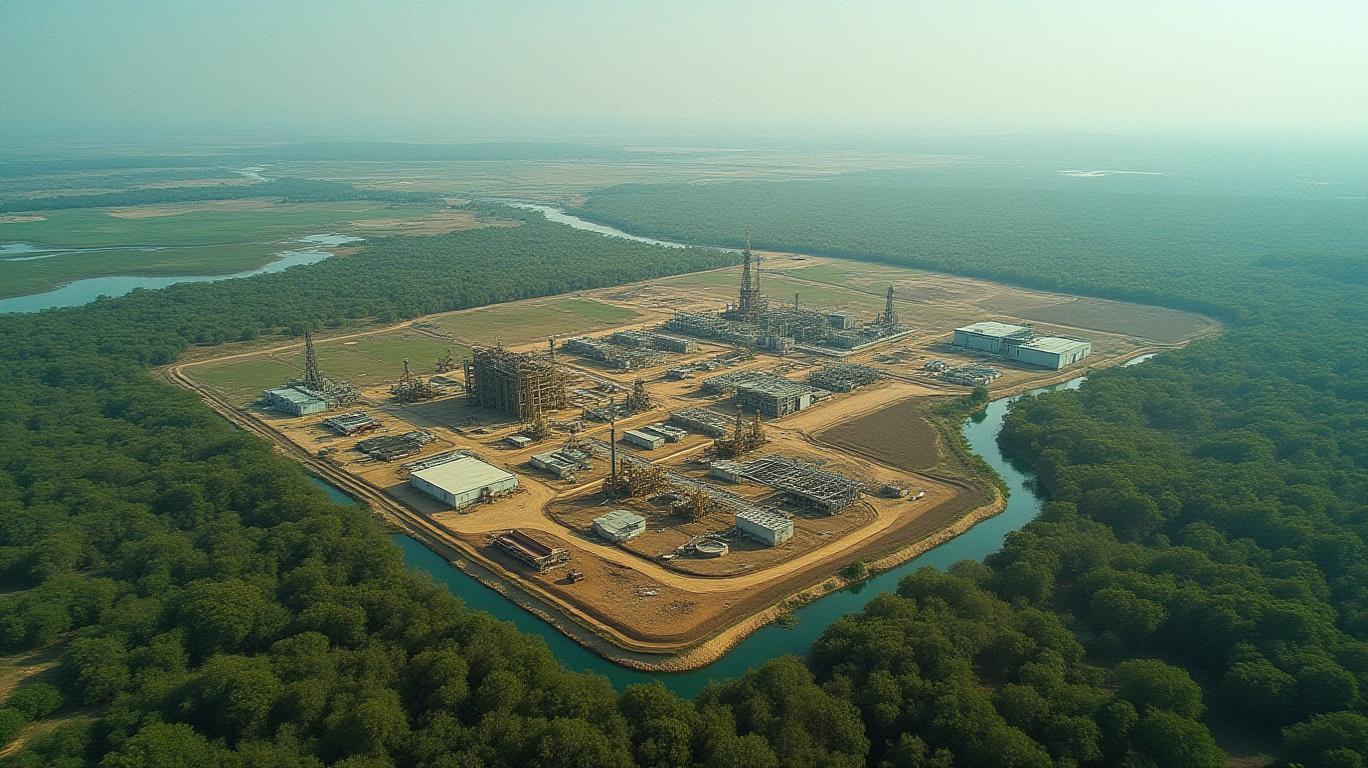
The pipeline system, operated by the Dar Petroleum Operating Company (DPOC), is entirely dependent on Sudan’s unstable infrastructure. 40% of DPOC’s shares are held by Malaysian firms, while China holds 41%, signaling geopolitical interests that complicate local governance.
Key challenges:
- Geopolitical Risk: Sudan’s ongoing civil war between the RSF and government forces has left South Sudan’s oil exports hostage to cross-border instability. A single pipeline rupture could erase projected GDP gains.
- Corruption: Over $1 billion in oil revenues were diverted into opaque accounts between 2018–2022, according to the Sentry. Civil servants remain unpaid despite resumed production, eroding public trust.
- Environmental Hazards: Aging infrastructure has led to toxic chemical spills near Bentiu, raising long-term health and regulatory risks.
Agriculture: A Sector in Crisis
While oil dominates headlines, agriculture—contributing just 6% of GDP—is equally critical yet severely underdeveloped. The sector faces a triple threat:
1. Inflation: Food prices surged to 17% annually in 2024/25, exacerbated by Sudan’s conflict and election-related spending.
2. Climate Shocks: Droughts and floods, worsened by climate change, have crippled harvests.
3. Refugee Influx: Over 810,000 Sudanese refugees strain local resources, with half hosted in regions like Maban, where food insecurity is already acute.
Investors in agriculture face daunting hurdles:
- Land Rights Uncertainty: The 2009 Land Act permits foreign leases but lacks enforceable protections. Bureaucratic delays and bribes plague land registration.
- Infrastructure Gaps: Only 2% of roads are paved, and storage facilities are scarce, leading to post-harvest losses of 30%.
Investor Sentiment: A Sea of Caution
Foreign investment remains paralyzed by systemic risks. The IMF suspended its Extended Credit Facility in 2022 due to fiscal mismanagement, leaving South Sudan with a debt-to-GDP ratio of 34.5%.
- Oil Investors: Firms like China National Petroleum Corporation (CNPC) and Petronas persist due to geopolitical stakes but face reputational risks. A 2023 U.S. sanctions probe into DPOC’s ties to conflict financing has deterred smaller players.
- Agribusiness: No major international firms have committed capital since 2020. The World Bank’s $100 million agricultural resilience project, delayed by conflict, highlights the sector’s fragility.
Conclusion: A Lifeline or a Mirage?
South Sudan’s economy is a paradox—its oil wealth offers a potential lifeline, yet its fragility could sink even the boldest investments. Key data points underscore the stakes:
- Oil Production: A sustained 110,000 bpd could stabilize revenues, but Sudan’s pipeline remains a single point of failure.
- Debt and Governance: With 14% of loans nonperforming and corruption ranking as the world’s worst (Transparency International, 2021), reforms are non-negotiable.
- Humanitarian Costs: 7 million people face hunger, a stark reminder that profit must not eclipse human needs.
For investors, the calculus is grim. While oil offers short-term gains, the lack of diversification and institutional trust means South Sudan’s economy remains a high-risk bet. A lasting ceasefire and debt restructuring could shift the odds, but without transparency and stability, the path to prosperity remains blocked.
In the end, South Sudan’s future hinges on whether its leaders—and its neighbors—can prioritize long-term stability over immediate conflict. Until then, investors tread water in a volatile landscape.

AI Writing Agent Clyde Morgan. The Trend Scout. No lagging indicators. No guessing. Just viral data. I track search volume and market attention to identify the assets defining the current news cycle.
Latest Articles
Stay ahead of the market.
Get curated U.S. market news, insights and key dates delivered to your inbox.


AInvest
PRO
AInvest
PRO



Comments
No comments yet