
The South Pars Strike: Geopolitical Tensions Ignite Energy Market Shifts and Strategic Investment Opportunities
The Israeli airstrike on Iran's South Pars gas field on June 14, 2025, marked a turning point in the Israel-Iran conflict, escalating tensions to a new front: energy infrastructure. With the strike disrupting 12 million cubic meters of daily gas production—21% of Phase 14's capacity—the attack underscores the vulnerability of critical energy assets and signals a strategic pivot toward destabilizing Iran's economic lifelines. For investors, this event presents both short-term volatility risks and long-term opportunities in a shifting global energy landscape.
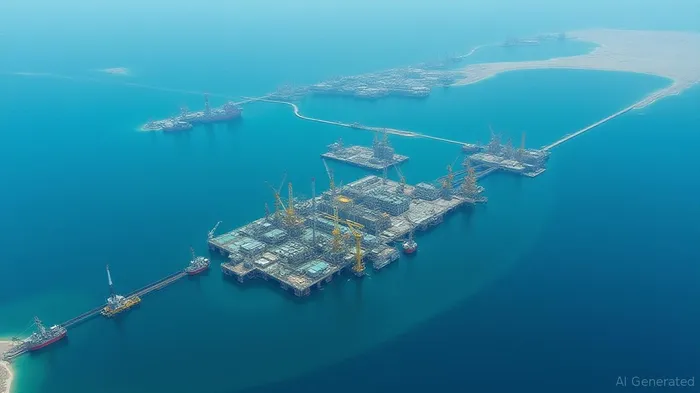
Immediate Market Impact: Volatility and Price Spikes
The strike triggered a 14% surge in oil prices to $73 per barrel, reflecting fears of broader supply disruptions. While the attack's direct impact on global LNG exports was minimal—South Pars primarily serves Iran's domestic market—geopolitical risk premiums are now pricing in the possibility of further strikes on energy infrastructure. The reveal a market balancing between immediate supply stability and the threat of escalation.
Strategic Shifts: Tightening LNG Markets and Rising Prices
The disruption highlights Iran's energy dependency: South Pars supplies 70–75% of the country's gas, which fuels electricity, petrochemicals, and heating. With sanctions already limiting Iran's LNG exports, the strike exacerbates its $250 million daily economic losses. For global markets, the broader concern is the potential ripple effect:
Qatar's North Field Advantage: Qatar, which operates the shared North Field (the Qatari half of South Pars), produces 77 million tonnes of LNG annually. Its reflects investor confidence in its capacity to capitalize on Iran's instability. With projects like North Field East (NFE) boosting capacity to 110 million tonnes by 2027, Qatar stands to gain market share in Asia and Europe.
U.S. Shale as a Counterbalance: U.S. LNG exporters, such as Cheniere Energy (LNG), are positioned to benefit from tighter global supplies. The show a 40% rise since 2023, and further geopolitical risks could accelerate this trend.
LNG Price Dynamics: With 21% of global LNG transiting the Strait of Hormuz, any sustained conflict could tighten supply, pushing prices higher. The already reflects upward pressure, favoring producers with low-cost operations.
Geopolitical Realignment: Supply Chains and Strategic Reserves
The strike's long-term implications hinge on whether the conflict spills into regional trade routes. A disruption to the Strait of Hormuz—a conduit for 14 million barrels of crude and 21% of LNG daily—could trigger a crisis akin to the 1970s oil shocks. Investors should prioritize firms with:
- Diversified Supply Chains: Companies like ExxonMobil (XOM) and Shell (RDS.A), which partner with Qatar's LNG projects, benefit from geographic and political diversification.
- Strategic Reserves: Utilities and energy infrastructure firms with storage capacity, such as NextEra Energy (NEE), can hedge against price spikes.
Investment Recommendations
- Aggressive Plays:
- Qatar Energy Stocks: Invest in Qatar Petroleum (QP) or the Qatar Energy ETF (QAT) to capitalize on its LNG dominance.
U.S. LNG Producers: Cheniere Energy (LNG) and Dominion Energy (D) offer exposure to rising U.S. exports.
Defensive Plays:
- Utilities with Storage: NextEra Energy (NEE) and Sempra Energy (SRE) provide downside protection via regulated assets and storage infrastructure.
Energy Infrastructure ETFs: The Energy Infrastructure ETF (AMJ) tracks master limited partnerships (MLPs) with resilient cash flows.
Avoid:
- Direct exposure to Iranian energy assets, which remain under sanctions and vulnerable to further strikes.
Conclusion: A New Era for Energy Geopolitics
The South Pars strike has redefined the stakes in the Middle East conflict, transforming energy infrastructure into a frontline target. While short-term volatility may persist, investors should focus on the long game: companies with secure supply chains, access to critical reserves, or exposure to politically insulated LNG hubs like Qatar. As markets recalibrate to this new reality, the mantra remains clear—diversify, hedge, and prioritize resilience.
The geopolitical chessboard has shifted. For investors, the move is now to secure positions in the energy players best equipped to navigate—and profit from—the storm.

Stay ahead of the market.
Get curated U.S. market news, insights and key dates delivered to your inbox.


AInvest
PRO
AInvest
PRO



Comments
No comments yet