
South Korean Presidential Candidates Clash Over Stablecoin Market
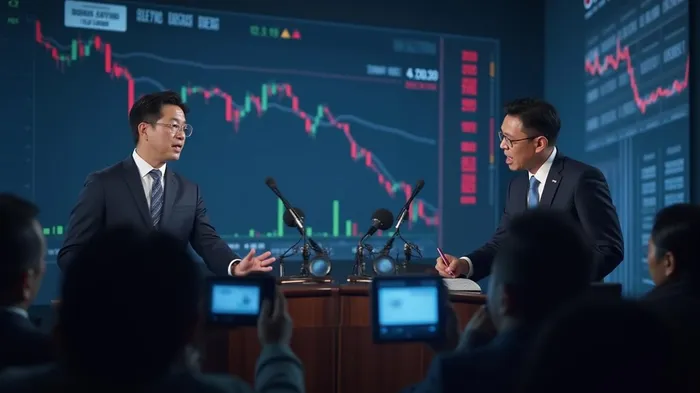
South Korean presidential candidates have engaged in a heated debate over the future of stablecoins in the country. On May 8, Lee Jae-myung, the frontrunner from the Democratic Party, advocated for the creation of a won-based stablecoin market. He emphasized the urgency for Seoul to enter this market swiftly, warning of potential national wealth outflow if the country fails to act promptly.
Lee Jae-myung's stance, however, was met with strong criticism from Lee Jun-seok, the candidate for the Reform Party. Lee Jun-seok accused Lee Jae-myung of having a dangerous and experimental approach to economics, claiming that the latter's ideas are irresponsible and uninformed. He highlighted the past failures of Terra’s KRW-pegged KST stablecoin, which was central to the Terra-Luna incident, as a cautionary tale. The collapse of the Terra ecosystem in May 2022 resulted in significant losses for global crypto markets and affected thousands of South Koreans.
Lee Jun-seok pointed out that the Terra stablecoin, KRTKRT--, lacked real asset backing and relied on the volatile sister coin, LUNA, to maintain its price. This strategy ultimately led to the collapse of all Terra coins, rendering the term "stablecoin" meaningless. He criticized Lee Jae-myung for not specifying the asset collateral that would back the proposed KRW stablecoin or addressing the market risks involved.
In response, supporters of Lee Jae-myung defended his position, arguing that his approach aligns with international regulatory trends. Kim Byeong-wook, a former Democratic Party lawmaker, noted that most international regulators have ruled out algorithm-based tokens due to their volatility. He emphasized that the focus is now on collateralized stablecoins backed by cash and government bond deposits, with real-time reserve disclosure and immediate redemption obligations.
Kim accused Lee Jun-seok of conflating algorithm-based and collateralized stablecoins, stating that the latter's argument that Terra's failure makes stablecoins dangerous is a radical generalization. Kim argued that won-pegged tokens could reduce overseas remittance fees and boost the domestic digital economy.
An unnamed official from a domestic crypto exchange welcomed the public discourse on stablecoins, expressing optimism about potential institutional reorganization in the crypto sector post-election. South Korea is set to hold its presidential election on June 3, with the People Power Party's candidate, Kim Moon-soo, previously pledging to allow national pension and sovereign wealth funds to invest in tokens like Bitcoin.

Stay ahead of the market.
Get curated U.S. market news, insights and key dates delivered to your inbox.


AInvest
PRO
AInvest
PRO



Comments
No comments yet