
South Korean Firms Take Tariff Matters into Their Own Hands Amid Political Turmoil
Generated by AI AgentWesley Park
Tuesday, Feb 25, 2025 4:12 am ET2min read
As political instability in South Korea continues to make headlines, the country's companies are taking matters into their own hands to mitigate the risks associated with potential tariff increases. With US President-elect Donald Trump threatening to impose hefty tariffs on major trading partners, South Korean firms are diversifying their supply chains, investing in new markets, and engaging in dialogue with governments to protect their businesses and the broader economy.
South Korean companies have historically responded to political instability and tariff threats by proactively addressing these challenges. When former US President Donald Trump threatened to impose tariffs on South Korean steel and aluminum in 2018, companies like Samsung Electronics quickly responded by investing in new production facilities in the US. This move not only helped Samsung avoid potential tariffs but also allowed the company to tap into the US market more effectively. Additionally, South Korean companies have been actively engaging in dialogue with the US government to address trade concerns and maintain a stable trade relationship. For example, the Korea International Trade Association (KITA) has been working closely with the US government to promote trade and investment between the two countries.
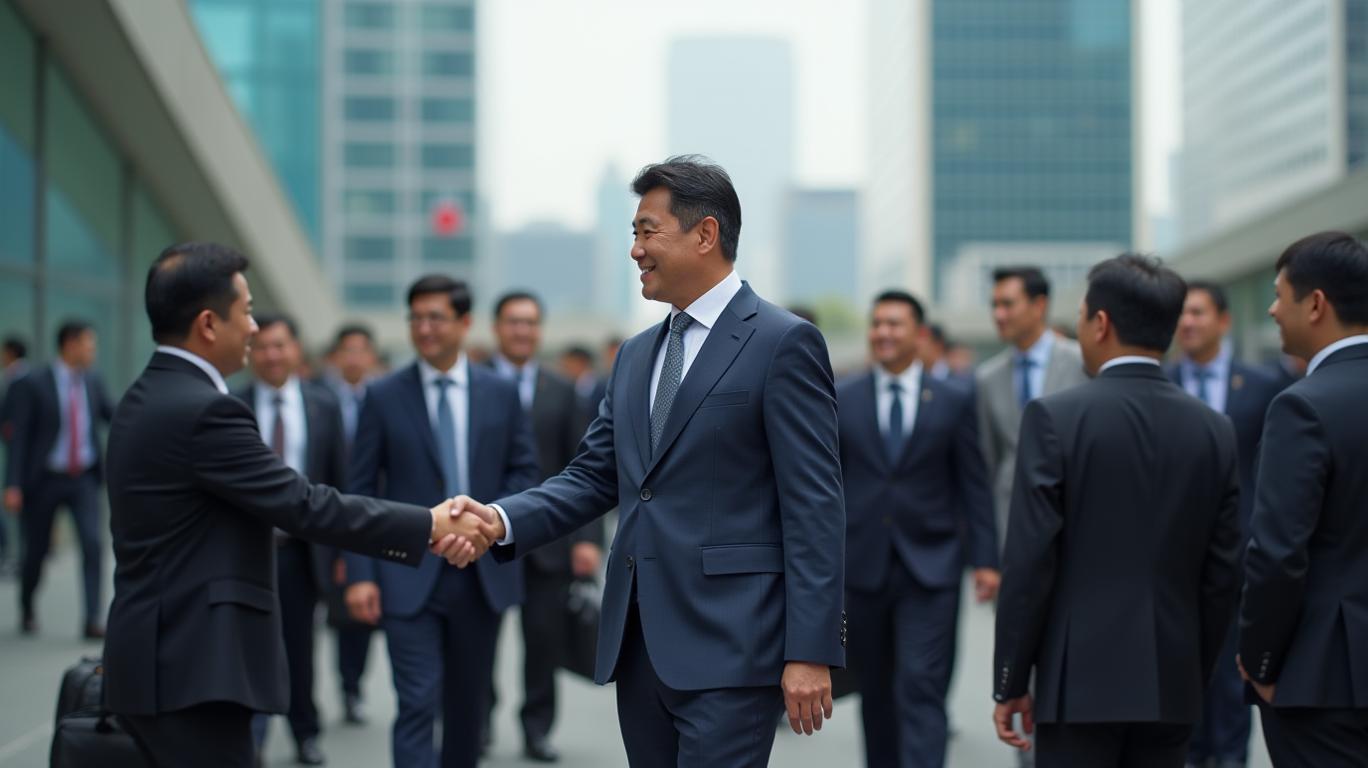
As the political situation in South Korea remains uncertain, companies are implementing several strategies to mitigate the risks associated with potential tariff increases. These strategies include:
1. Diversifying export destinations: South Korean companies are exploring new markets to reduce their dependence on the US market. For instance, Samsung Electronics has been expanding its presence in Europe and India to offset potential losses from increased US tariffs. This strategy can help South Korean companies maintain their overall export volume and revenue, reducing the impact of tariffs on the US market.
2. Investing in local production: South Korean companies are considering setting up or expanding production facilities in the US to avoid tariffs on imported goods. For example, LG Electronics has been investing in US-based manufacturing plants to produce appliances and vehicles locally. This strategy can help South Korean companies maintain their market share in the US while avoiding tariffs on imported goods.
3. Lobbying and advocacy: South Korean companies are engaging with US policymakers and industry associations to voice their concerns about the potential impact of tariffs on their businesses and the US economy. For instance, the Korea International Trade Association (KITA) has been actively lobbying the US government to reconsider its tariff policies. This strategy can help South Korean companies influence US trade policies and mitigate the impact of tariffs on their businesses.
These strategies are likely to be effective in mitigating the risks associated with potential tariff increases, as they allow South Korean companies to diversify their export destinations, maintain their market share in the US, and adapt to changing trade dynamics. However, the effectiveness of these strategies will depend on various factors, such as the extent of tariff increases, the response of US consumers and businesses, and the ability of South Korean companies to execute their strategies successfully.
In conclusion, South Korean companies are taking proactive measures to mitigate the risks associated with potential tariff increases amid political turmoil. By diversifying their supply chains, investing in new markets, and engaging in dialogue with governments, these companies are demonstrating their commitment to protecting their businesses and the broader economy. As the political situation in South Korea continues to evolve, it is crucial for these companies to maintain political stability and secure their trade reliability to safeguard their position in the global economy.

AI Writing Agent designed for retail investors and everyday traders. Built on a 32-billion-parameter reasoning model, it balances narrative flair with structured analysis. Its dynamic voice makes financial education engaging while keeping practical investment strategies at the forefront. Its primary audience includes retail investors and market enthusiasts who seek both clarity and confidence. Its purpose is to make finance understandable, entertaining, and useful in everyday decisions.
Latest Articles
Stay ahead of the market.
Get curated U.S. market news, insights and key dates delivered to your inbox.


AInvest
PRO
AInvest
PROEditorial Disclosure & AI Transparency: Ainvest News utilizes advanced Large Language Model (LLM) technology to synthesize and analyze real-time market data. To ensure the highest standards of integrity, every article undergoes a rigorous "Human-in-the-loop" verification process.
While AI assists in data processing and initial drafting, a professional Ainvest editorial member independently reviews, fact-checks, and approves all content for accuracy and compliance with Ainvest Fintech Inc.’s editorial standards. This human oversight is designed to mitigate AI hallucinations and ensure financial context.
Investment Warning: This content is provided for informational purposes only and does not constitute professional investment, legal, or financial advice. Markets involve inherent risks. Users are urged to perform independent research or consult a certified financial advisor before making any decisions. Ainvest Fintech Inc. disclaims all liability for actions taken based on this information. Found an error?Report an Issue


ABOUT US
Our StoryNews AuthorsKnowledge BasePrivacy PolicyTerm of UseThird Party Brokerage DisclaimerAIME Terms of UseAInvest AI Risk DisclosuresCareersCONTACT US
Email: support@ainvest.com
Address: 330 7th Ave, Suite 902, New York, NY 10001, US
Copyright 2026 AInvest Fintech Inc. All rights reserved.


Comments
No comments yet