
South Korea's Trade Minister Visits Washington to Avert 25% Tariffs
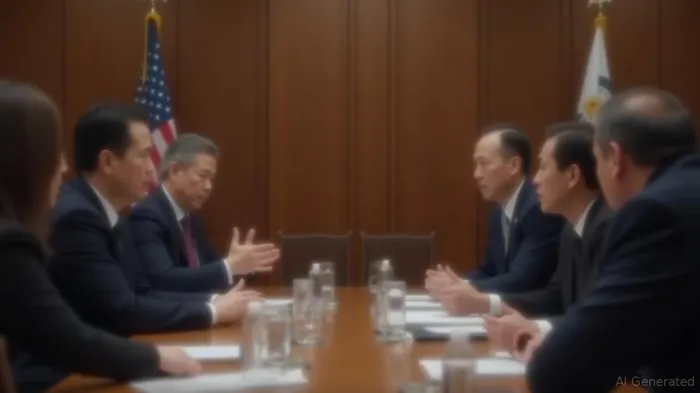
South Korea’s new Trade Minister, Yeo Han-koo, visited Washington this week with a clear mission: to prevent the United States from reimposing steep tariffs and to secure a trade deal that benefits both nations. The visit concluded on Friday, just before a critical July 9 deadline, when President Donald Trump’s paused 25% tariffs could be reinstated.
During his meetings, Yeo engaged with key U.S. officials, including Commerce Secretary Howard Lutnick, Trade Representative Jamieson Greer, Interior Secretary Doug Burgum, and multiple U.S. lawmakers. Yeo emphasized President Lee Jae Myung’s trade policy, highlighting the administration’s commitment to long-term cooperation. He stated that the ongoing negotiations are not just about tariffs but also about establishing a new framework for future cooperation. Yeo expressed determination to ensure that the momentum for cooperation between the two countries is not undermined by tariffs and to turn the current crisis into an opportunity.
The urgency of the situation is underscored by the potential impact on South Korea’s key industries. If Trump’s tariffs are reinstated, they could severely affect sectors such as semiconductors, vehicles, and batteries, which are major manufacturing partners to the U.S. Additionally, the Bank of Korea recently downgraded the country’s 2025 GDP forecast to 0.8%, down from 1.5%, indicating the fragile state of its domestic economy.
Yeo also raised concerns about the U.S.’s tightening export control policies, particularly as Washington moves to block high-end tech from reaching China. These restrictions are already affecting supply chains and slowing down production timelines for Korean manufacturers. Yeo emphasized that these trade and tech challenges are interconnected and must be addressed together.
Meanwhile, Lutnick announced that the U.S. is working to finalize 10 new trade agreements in the next two weeks, aiming to complete terms before the tariff freeze expires. He did not specify which countries are on the list but indicated that some partners might get more time, depending on Trump’s decision. Trump’s approach is clear: countries that do not reach agreements by July 9 will receive formal “letters” laying out U.S. demands. Those who have deals will have deals, and others will receive a response and go into a package.
India and Japan are also in the midst of negotiations. Trump hinted that India is close to a deal, with Rajesh Agarwal, India’s chief negotiator, leading a team in Washington to close gaps with U.S. officials. Japan’s chief negotiator Ryosei Akazawa is also in talks, but Japan has stated that it cannot accept the 25% car tariff. The situation with China is complex, with a new trade understanding in place but full of conditions. Both sides have blamed each other for violating previous agreements, and the latest deal includes provisions that China must resume exporting rare earth materials before the U.S. lifts countermeasures.
Lutnick explained that U.S. trade limits on products like ethane, chip design software, and jet engine tech will remain until China follows through. This deal does not cover all issues, such as fentanyl smuggling and market access for American exporters, but it is part of the broader set of “packages” the Trump administration wants completed before the tariff deadline.

Stay ahead of the market.
Get curated U.S. market news, insights and key dates delivered to your inbox.


AInvest
PRO
AInvest
PRO



Comments
No comments yet