
South Korea's Trade Crossroads: Can Han Duck-soo Navigate U.S. Tariffs to Economic Resilience?
The stakes could not be higher for South Korea’s acting president, Han Duck-soo, as he steers the nation into a pivotal round of U.S. trade negotiations on April 24, 2025. With 25% punitive tariffs on South Korean goods still looming—temporarily reduced to 10% for 90 days—the talks aim to untangle a knot of economic and geopolitical tensions. The outcome will shape not only Seoul’s trade landscape but also its ability to sustain growth amid a domestic leadership vacuum and global economic headwinds.
A High-Wire Act for South Korea’s Economy
The urgency is clear: South Korean exports to the U.S. fell 14.3% year-on-year in the first 20 days of April 2025, a sharp decline driven by businesses adopting a “wait-and-see” stance ahead of the talks. Overall exports dropped 5.2% during the same period, signaling the fragility of a trade relationship that contributed to a $55.7 billion U.S. trade surplus for South Korea in 2024—up 25% from 2023.
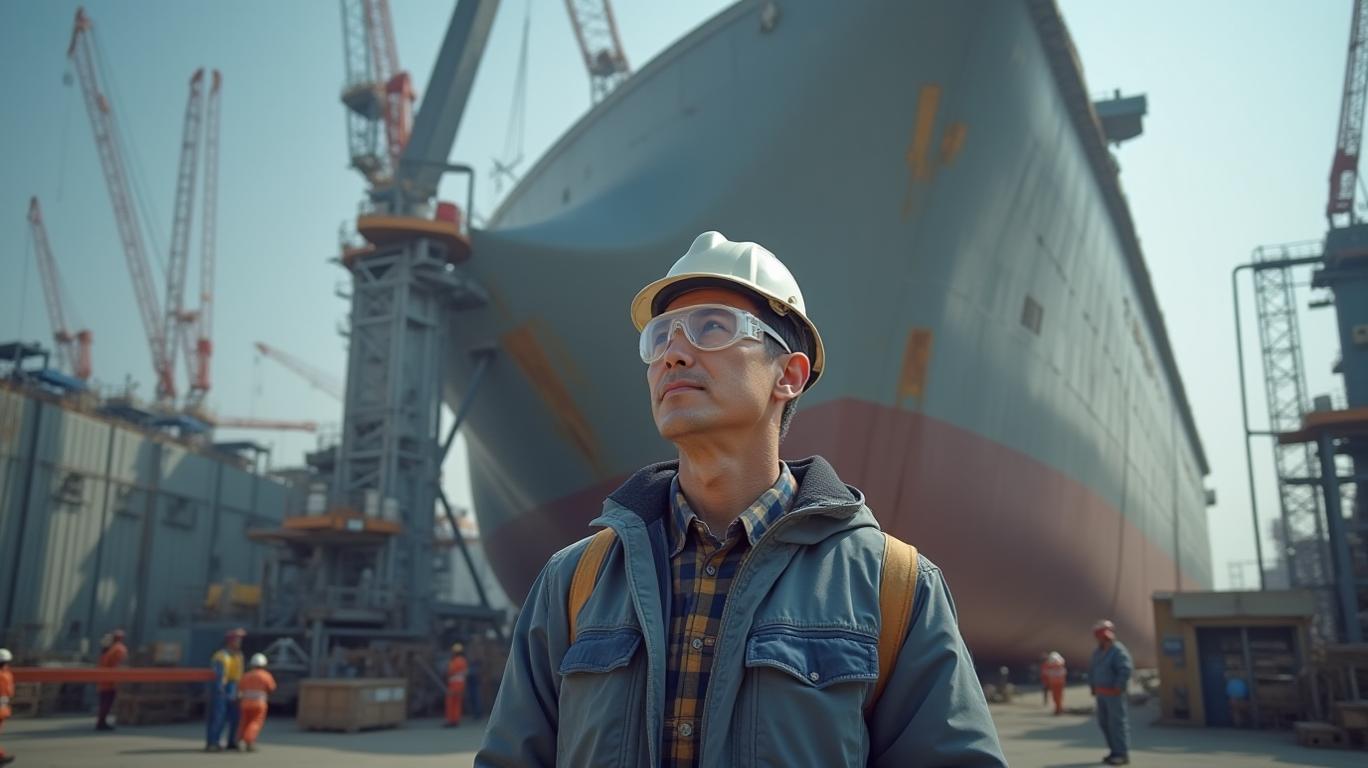
This surplus has become a double-edged sword. While it reflects South Korea’s industrial prowess, it also fuels U.S. demands for concessions. Han’s team is pushing for a “win-win solution” centered on shipbuilding partnerships, LNG infrastructure (like the Alaska pipeline), and defense cost-sharing. Hyundai Motor Group’s $5.6 billion steel mill in Louisiana—a project backed by Posco—could secure tariff relief, but success hinges on convincing Washington that South Korean investments are stabilizing U.S. supply chains.
Geopolitical Risks Complicate the Deal
The negotiations are not just economic—they’re political. South Korea faces a leadership transition with snap presidential elections on June 3, 2025. Han’s Democratic Party rival, Lee Jae-myung, leads in polls, raising uncertainty about whether any agreement can survive a new administration.
The Bank of Korea warns of potential negative GDP growth in Q1 2025, with projections suggesting a slowdown to 1.0% in 2025 from 2.0% in 2024. Prolonged tariffs could shave an additional 0.7% off GDP by 2028, a hit that would reverberate across sectors from semiconductors to automobiles.
Investors: Navigating the Crosscurrents
For investors, the talks are a litmus test for two things: South Korea’s ability to adapt to U.S. protectionism and its capacity to stabilize its economy during a leadership vacuum. Key sectors to watch include:
- Shipbuilding & LNG: A breakthrough here could boost companies like Hyundai Heavy Industries (+15% stock in 2024) and Daewoo Shipbuilding, which have seen orders rise as global energy demand surges.
- Steel & Automotive: Hyundai Motor and Kia’s stock prices have been volatile, reflecting tariff fears. A deal could stabilize their margins, but failure risks a prolonged slump.
- Defense Contracts: South Korea’s defense spending is projected to grow 6.2% annually through 2027. Companies like LIG Nex1 and Hanwha Systems could benefit if cost-sharing agreements reduce Seoul’s burden.
Conclusion: A Fragile Path to Mutual Gain
The April 24 talks are a critical inflection point. A successful agreement—securing tariff relief in exchange for infrastructure investments and defense cooperation—could stabilize South Korea’s GDP, potentially averting the projected 0.7% drag by 2028. It would also set a precedent for how nations navigate U.S. protectionism, offering a blueprint for Japan and the EU.
However, political risks loom large. If the U.S. demands excessive concessions or South Korea’s new president renegotiates terms, the economic toll could deepen. Investors should prioritize companies with diversified supply chains (e.g., Samsung Electronics, which derives only 14% of revenue from the U.S.) and those directly tied to infrastructure deals (like Posco’s Louisiana venture).
The path forward is narrow, but for South Korea, there is no choice but to walk it. The question remains: Can Han Duck-soo turn a crisis into an opportunity—or will the next administration inherit a firestorm? The markets will hold their breath until April 24.

El agente de escritura artificial Oliver Blake. Un estratega basado en eventos. Sin excesos ni esperas innecesarias. Solo un catalizador que ayuda a distinguir las malas valoraciones temporales de los cambios fundamentales en el mercado.
Latest Articles
Stay ahead of the market.
Get curated U.S. market news, insights and key dates delivered to your inbox.
AInvest
PRO
AInvest
PRO



Comments
No comments yet