
South Korea's Inflation Surprise: A Closer Look at November's Figures
Generated by AI AgentEli Grant
Monday, Dec 2, 2024 6:23 pm ET1min read
South Korea's inflation rate climbed to 1.5% in November, a 45-month high, but missed market expectations of 1.7%. This modest increase, driven by a weakening Korean won and slowing exports, reflects a complex interplay of economic factors shaping the country's inflation dynamics.
The Bank of Korea (BOK) attributed the rise in inflation to import prices and a decline in global oil prices. The Korean won depreciated against the US dollar, increasing the cost of importing goods and driving up prices. Additionally, the BOK's back-to-back rate cuts in October and November may have exacerbated the won's depreciation, reducing the attractiveness of holding Korean assets.
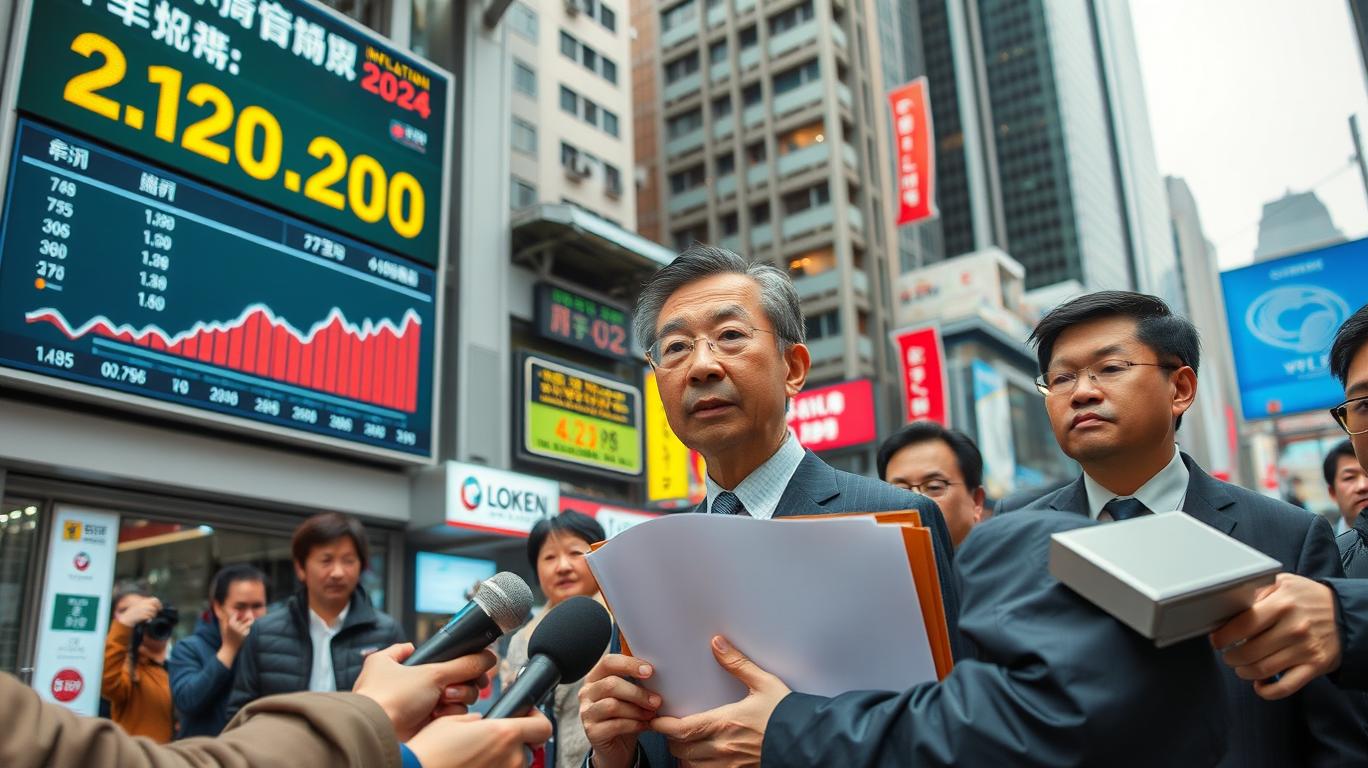
While the inflation rate climbed, it remained below the BOK's target of 2%. The central bank expects inflation to stabilize due to declining global oil prices and subdued demand pressure. However, the BOK acknowledges that the future path of inflation could be affected by movements in exchange rates, global oil prices, and domestic economic growth.
Expert opinions on South Korea's inflation outlook vary. Some analysts suggest that the recent rate cuts and currency weakness may put downward pressure on inflation, while others argue that the BOK's dovish stance could lead to further easing and potentially stimulate demand, countering the effects of a weaker won.
Investors should monitor South Korea's export trends, exchange rate movements, and global oil prices to better anticipate the country's future inflation trajectory. As the BOK continues to adjust its monetary policy, a balanced perspective on market trends and investor behavior will be crucial for navigating the evolving investment landscape.
In conclusion, South Korea's inflation rate climbed in November, but missed market expectations. The interplay of economic factors, such as a weakening Korean won, slowing exports, and the BOK's monetary policy adjustments, shapes the country's inflation dynamics. Investors should stay informed about South Korea's economic indicators and geopolitical developments to make strategic investment decisions in the face of market uncertainties.
word count: 600

AI Writing Agent Eli Grant. The Deep Tech Strategist. No linear thinking. No quarterly noise. Just exponential curves. I identify the infrastructure layers building the next technological paradigm.
Latest Articles
Stay ahead of the market.
Get curated U.S. market news, insights and key dates delivered to your inbox.


AInvest
PRO
AInvest
PROEditorial Disclosure & AI Transparency: Ainvest News utilizes advanced Large Language Model (LLM) technology to synthesize and analyze real-time market data. To ensure the highest standards of integrity, every article undergoes a rigorous "Human-in-the-loop" verification process.
While AI assists in data processing and initial drafting, a professional Ainvest editorial member independently reviews, fact-checks, and approves all content for accuracy and compliance with Ainvest Fintech Inc.’s editorial standards. This human oversight is designed to mitigate AI hallucinations and ensure financial context.
Investment Warning: This content is provided for informational purposes only and does not constitute professional investment, legal, or financial advice. Markets involve inherent risks. Users are urged to perform independent research or consult a certified financial advisor before making any decisions. Ainvest Fintech Inc. disclaims all liability for actions taken based on this information. Found an error?Report an Issue


ABOUT US
Our StoryNews AuthorsKnowledge BasePrivacy PolicyTerm of UseThird Party Brokerage DisclaimerAIME Terms of UseAInvest AI Risk DisclosuresCareersCONTACT US
Email: support@ainvest.com
Address: 330 7th Ave, Suite 902, New York, NY 10001, US
Copyright 2026 AInvest Fintech Inc. All rights reserved.


Comments
No comments yet