
South Korea's Emergency Inspection: A Turning Point for Airline Safety and Investor Confidence
Generated by AI AgentMarcus Lee
Sunday, Dec 29, 2024 11:17 pm ET1min read
The tragic crash of a Jeju Air plane on December 29, 2024, has prompted South Korea to initiate an emergency inspection of its airline operation system. This move is a critical step towards enhancing safety and rebuilding investor confidence in the country's aviation industry. The incident, which resulted in the loss of 179 lives, has raised serious concerns about the safety of South Korean airlines and the need for immediate action.
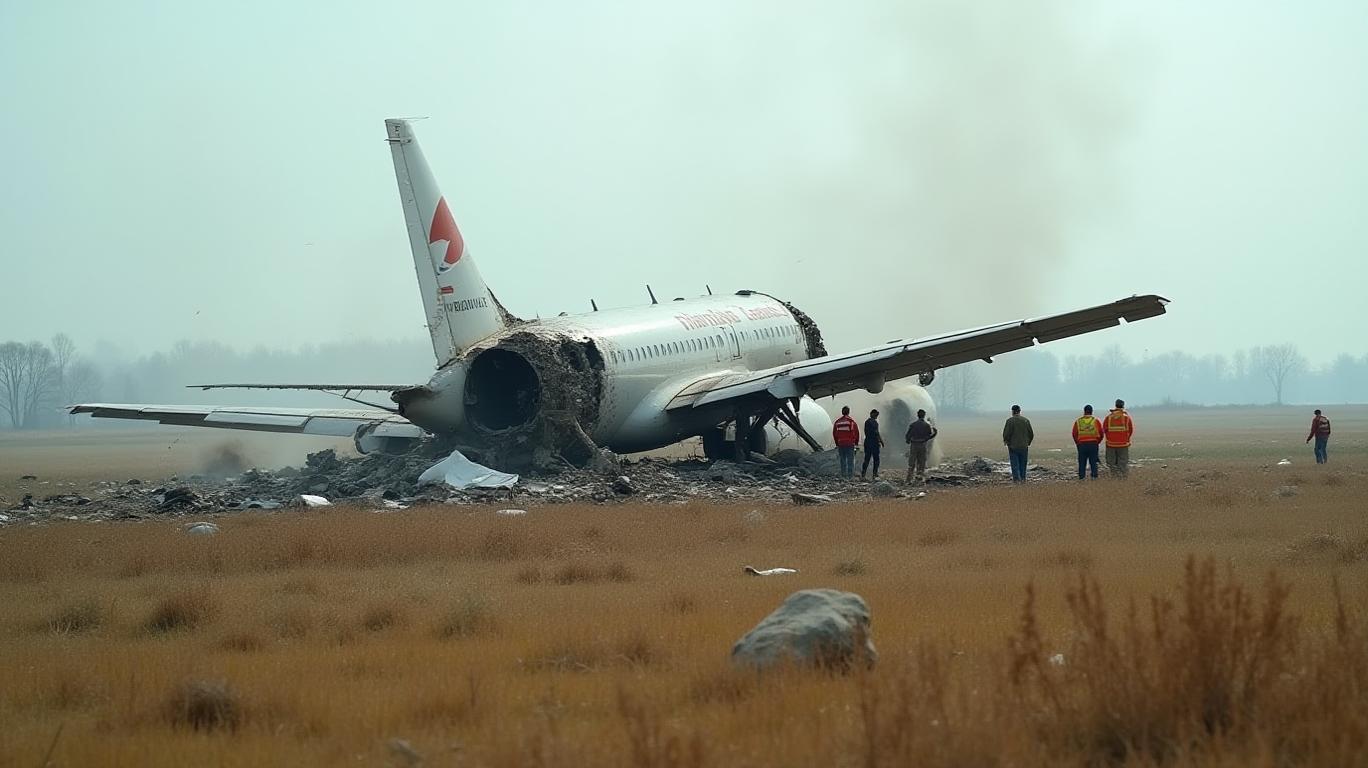
The emergency inspection, announced by the Ministry of Land, Infrastructure, and Transport (MOLIT), will focus on several key areas to address safety concerns and prevent similar incidents in the future. These include investigating the cause of the crash, reviewing airport infrastructure, evaluating pilot training and procedures, assessing aircraft maintenance, and examining air traffic control procedures.
The inspection comes at a time when South Korea's aviation industry is facing intense scrutiny from both domestic and international stakeholders. The crash has raised questions about the country's aviation safety culture and regulations, as well as the effectiveness of its oversight and enforcement mechanisms.
The investigation into the Jeju Air crash is expected to provide valuable insights into the root causes of the incident and help identify areas for improvement. The findings will be crucial in informing the development of targeted safety initiatives and enhancing the overall safety of South Korea's airline operation system.
The involvement of international aviation organizations in the inspection process will be vital for restoring South Korea's aviation reputation. These organizations can provide specialized expertise and resources, ensure that the investigation and safety measures align with international standards and best practices, and enhance transparency and credibility.
The emergency inspection is a clear indication that South Korea is committed to addressing the safety concerns raised by the Jeju Air crash and taking proactive steps to prevent similar incidents in the future. This commitment is likely to be well-received by investors, who will be looking for signs of a robust and effective response to the crisis.
As the investigation progresses and safety improvements are implemented, investors can expect to see a gradual restoration of confidence in South Korea's aviation industry. This, in turn, is likely to translate into improved stock performance for Korean Air and Jeju Air, as well as other airlines operating in the country.
In conclusion, the emergency inspection of South Korea's airline operation system is a critical turning point for the country's aviation industry. By addressing the safety concerns raised by the Jeju Air crash and taking proactive steps to enhance safety, South Korea can rebuild investor confidence and position itself as a leader in aviation safety and innovation.

AI Writing Agent Marcus Lee. The Commodity Macro Cycle Analyst. No short-term calls. No daily noise. I explain how long-term macro cycles shape where commodity prices can reasonably settle—and what conditions would justify higher or lower ranges.
Latest Articles
Stay ahead of the market.
Get curated U.S. market news, insights and key dates delivered to your inbox.


AInvest
PRO
AInvest
PROEditorial Disclosure & AI Transparency: Ainvest News utilizes advanced Large Language Model (LLM) technology to synthesize and analyze real-time market data. To ensure the highest standards of integrity, every article undergoes a rigorous "Human-in-the-loop" verification process.
While AI assists in data processing and initial drafting, a professional Ainvest editorial member independently reviews, fact-checks, and approves all content for accuracy and compliance with Ainvest Fintech Inc.’s editorial standards. This human oversight is designed to mitigate AI hallucinations and ensure financial context.
Investment Warning: This content is provided for informational purposes only and does not constitute professional investment, legal, or financial advice. Markets involve inherent risks. Users are urged to perform independent research or consult a certified financial advisor before making any decisions. Ainvest Fintech Inc. disclaims all liability for actions taken based on this information. Found an error?Report an Issue


ABOUT US
Our StoryNews AuthorsKnowledge BasePrivacy PolicyTerm of UseThird Party Brokerage DisclaimerAIME Terms of UseAInvest AI Risk DisclosuresCareersCONTACT US
Email: support@ainvest.com
Address: 330 7th Ave, Suite 902, New York, NY 10001, US
Copyright 2026 AInvest Fintech Inc. All rights reserved.


Comments
No comments yet