
South Korea's Renewable Renaissance: Navigating Geopolitical Alliances for Energy Security and Profit
South Korea's energy landscape is at a crossroads. With fossilFOSL-- fuels still accounting for over 90% of its energy mix, the nation faces a dual challenge: reducing reliance on imports and transitioning to renewables to meet net-zero goals. Yet geopolitical diplomacy is unlocking unprecedented opportunities for investors. Strategic partnerships with the Middle East, Japan, and China are paving the way for infrastructure projects that could redefine energy security—and deliver lucrative returns.
The Energy Crossroads: Fossil Fuels vs. Renewables
South Korea's current energy mix remains dominated by fossil fuels, with renewables contributing just 9.64% of power generation in 2023. Despite ambitious targets—such as the Democratic Party's pledge to hit 40% renewables by 2035—current policies like the 11th Basic Plan for Electricity Supply and Demand (BPLE) prioritize LNG and unproven nuclear technologies, risking stagnation. However, the upcoming 2025 presidential election could shift this trajectory. A Democratic victory would fast-track offshore wind, solar, and green hydrogen projects, aligning with COP28's goal to triple renewable capacity by 2030.
Geopolitical Alliances: The Middle East and Beyond
South Korea's diplomatic pragmatism is key to its energy transition. Partnerships with the UAE and Saudi Arabia are driving infrastructure projects that blend geopolitical stability with green growth:
- Offshore Wind Boom:
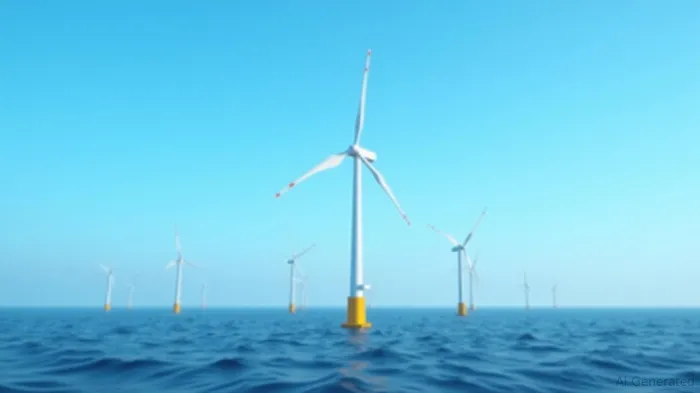
- Samsung C&T and Hyundai Heavy Industries are pioneers in floating offshore wind technology, critical for South Korea's 23.74 GW solar and wind targets by 2030.
The UAE-South Korea Comprehensive Economic Partnership Agreement (Cepa), signed in 2024, commits $30 billion in investments, focusing on joint ventures like the Barakah Nuclear Plant and Small Modular Reactors (SMRs).
Green Hydrogen Ambitions:
- Saudi Arabia's $8.4 billion NEOM Helios project—the world's largest green hydrogen facility—is a blueprint for South Korea's 6,500 GWh hydrogen/ammonia bidding market (open until late 2024).
LS Cable & System's partnership with the UK's Balmoral Comtec underscores South Korea's leadership in exporting floating wind tech to the Middle East.
Regional Supply Chain Synergy:
- Trilateral talks with China and Japan aim to integrate semiconductor and EV supply chains with renewable energy. Hyundai's joint venture with China's CATL for EV batteries, powered by green energy, exemplifies this synergy.
Investment Opportunities: Where to Look Now
The energy transition offers three clear investment vectors:
1. Offshore Wind and Floating Turbines
- Samsung C&T and Hyundai Heavy Industries are well-positioned to capitalize on South Korea's $14 billion offshore wind market by 2030. Their expertise in floating turbines (critical for deepwater sites) makes them ideal picks.
- Risk Alert: Bureaucratic delays in grid upgrades could slow project timelines. Monitor the Energy Transition Forum's grid modernization proposals for progress.
2. Green Hydrogen and Ammonia
- SK ecoplant and LG Energy Solution are expanding into green hydrogen production. The NEOM Helios project and South Korea's hydrogen bidding market offer long-term contracts and price stability.
- Investment Play: Look for firms with partnerships in Saudi Arabia's Sudair solar plant or UAE's Gigaprojects.
3. Solar and Agrivoltaics
- Hanwha Q CELLS is leading utility-scale solar projects, while agrivoltaics (solar panels over farmland) are gaining traction. The 2030 Energy Transition Policy Proposal mandates 30% renewables by 2030, driving demand for solar tech.
Risks and Considerations
- Policy Uncertainty: The 2025 election outcome is critical. A conservative win could delay coal phase-outs and favor LNG, slowing renewables.
- Geopolitical Tensions: U.S.-China trade wars could disrupt semiconductor and EV supply chains, impacting energy-intensive industries.
- Technological Hurdles: SMRs and hydrogen co-firing remain unproven at scale. Prioritize companies with proven track records, like LS Cable.
Conclusion: A Strategic Window for Investors
South Korea's energy transition is not just about reducing carbon—it's about securing energy independence and leveraging geopolitical alliances. The 2025 election and COP28 commitments mark a pivotal moment. Investors should prioritize:
- Offshore wind firms (Samsung C&T, Hyundai Heavy) with Middle East exposure.
- Green hydrogen players (SK ecoplant, LS Cable) linked to Saudi/Emirati projects.
- Solar leaders (Hanwha Q CELLS) benefiting from agrivoltaic mandates.
The next 12 months will determine whether South Korea's renewables ambition translates into infrastructure gold. For investors, the time to act is now.
Final Takeaway: South Korea's renewables sector is poised for exponential growth. Investors who align with its geopolitical partnerships and policy tailwinds stand to profit as the nation shifts from fossil fuels to a clean energy powerhouse.

Stay ahead of the market.
Get curated U.S. market news, insights and key dates delivered to your inbox.


AInvest
PRO
AInvest
PRO



Comments
No comments yet