
South Korea Prepares for 50% U.S. Steel Tariffs
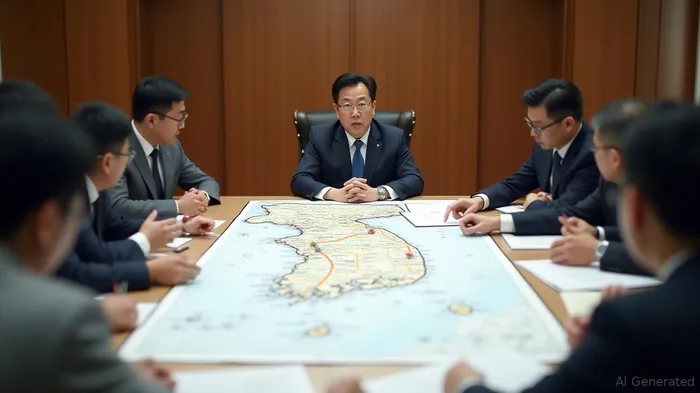
South Korea is preparing to respond to the United States' decision to double tariffs on steel products from 25% to 50%. This move, announced by U.S. President Donald Trump, is set to take effect from June 4. The tariff increase is part of Trump's broader trade policy aimed at supporting domestic industries. The South Korean Ministry of Trade, Industry, and Energy held an emergency meeting with major domestic steel manufacturers, including officials from local key steel suppliers such as POSCOPKX-- Group and Hyundai Steel, to discuss response measures.
Korean steelmakers have been actively devising response measures, with some companies planning to increase their production within the U.S. to mitigate the impact of the tariffs. This move could help them maintain their market share in the U.S. and mitigate the financial impact of the tariffs. However, it remains to be seen how effective these measures will be in the long run.
The recent ruling by a U.S. trade court invalidating Trump's sweeping tariffs had briefly raised hopes for a possible reprieve in trade tensions between the two countries. However, Trump's announcement to double the tariffs has dashed these hopes, leading to concerns about the potential impact on South Korea's exports. The tariff hikes are expected to significantly affect key export sectors, including cars and steel, which are crucial for South Korea's economy.
The U.S. has been imposing a 25% tariff on steel and aluminum imports since March 12. The decision to double these tariffs to 50% is seen as a continuation of Trump's aggressive trade policies, which have sparked global outcry and led to renegotiations with other countries. The Trump administration has repeatedly threatened steep tariffs on key exports, only to later renegotiate under duress. This pattern has created uncertainty in the global trade landscape, with South Korea being one of the most affected regions.
South Korea's exports have been on a decline for four consecutive months, with May seeing a significant drop due to the tariff hikes. The region's key export sectors, including cars and steel, have been particularly hard hit. The tariff increase is expected to further exacerbate this trend, leading to potential job losses and economic instability in South Korea.
The tariff hikes are also expected to have broader implications for the global steel industry. The increased tariffs could lead to a shift in global steel production, with more companies looking to set up operations in the U.S. to avoid the tariffs. This could result in a more competitive market, with companies vying for market share in the U.S. and other regions.

Stay ahead of the market.
Get curated U.S. market news, insights and key dates delivered to your inbox.




Comments
No comments yet