
South Korea's National Security Adviser Makes Second U.S. Visit to Avert Tariff Hike
 Aime Summary
High-Stakes Negotiations Continue Amid Tariff Deadline
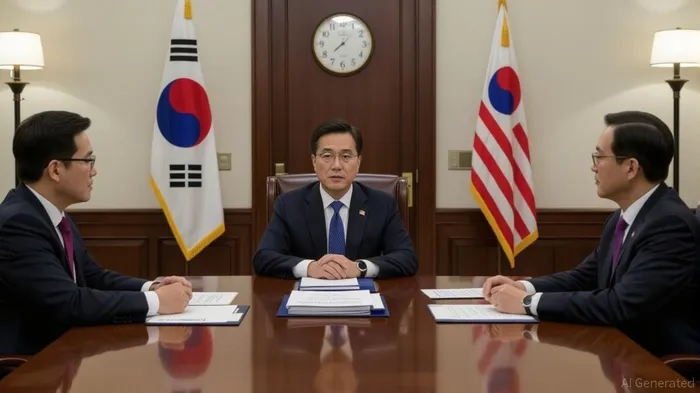
South Korea’s national security adviser has embarked on a second visit to the United States to engage in high-level negotiations aimed at preventing the implementation of a 25% tariff on Korean exports. The talks are part of ongoing efforts to address trade tensions and align with a key deadline set for Aug. 1, 2025.
The visit follows an initial round of discussions that failed to produce a definitive agreement, underscoring the complexity of the negotiations. With the U.S. government reportedly maintaining its stance on the proposed tariff, South Korea is seeking a compromise that would safeguard its export-driven economy while addressing U.S. concerns over trade imbalances and industrial policy.
Tariff Threats Pose Economic Challenge
The proposed 25% tariff is seen as a significant economic risk for South Korea, particularly for key industries such as semiconductors, automotive, and steel. These sectors are vital to the country’s trade balance and global competitiveness. The potential imposition of the tariff could disrupt supply chains and reduce profit margins for major South Korean firms operating in the U.S. market.
South Korean officials have emphasized the need for a mutually beneficial resolution, highlighting the importance of maintaining strong bilateral trade relations. The national security adviser’s return to Washington signals the country’s commitment to finding a viable solution before the deadline.
Timeline and Strategic Importance
With the Aug. 1 deadline fast approaching, both sides are under increasing pressure to finalize an agreement. The timeline reflects the urgency of the situation and the limited room for further delays. South Korea’s delegation has reportedly focused its efforts on presenting alternative measures that could satisfy U.S. trade priorities without resorting to a broad tariff increase.
The negotiations also take place amid a broader context of shifting global trade dynamics. South Korea has been working to diversify its trade partners and reinforce its economic resilience, but a major tariff hike from the U.S. would complicate those efforts. The outcome of these talks is expected to have immediate implications for trade policy and investor sentiment.
Bilateral Relations Remain a Priority
The second visit by South Korea’s national security adviser reinforces the country’s diplomatic strategy to preserve and strengthen its relationship with the U.S. Despite the current tension over trade, both nations have historically maintained a close strategic and economic partnership. The negotiations are being conducted with this long-term relationship in mind, with South Korean officials seeking to ensure that any resolution does not undermine the broader alliance.
The upcoming conclusion of talks on Aug. 1 will be a key moment for both governments, with the potential to either ease tensions or escalate them. South Korea’s continued engagement reflects its recognition of the high stakes involved and its determination to find a path forward that supports economic stability and cooperation.

Stay ahead of the market.
Get curated U.S. market news, insights and key dates delivered to your inbox.






Comments
No comments yet