
South Dakota Rejects Bitcoin Bill, Lawmaker Vows to Revive
South Dakota lawmakers have recently rejected a Bitcoin investment bill, reflecting ongoing concerns about the cryptocurrency's volatility. However, State Representative Logan Manhart has expressed his intention to revive the proposal in the next legislative session.
The bill, HB1202, aimed to allocate 10% of public funds into Bitcoin as a strategy to diversify the state's financial portfolio. The House Commerce and Energy Committee, however, voted 9-3 to defer the bill, raising concerns about the broader acceptance of cryptocurrency in public financial systems.
This decision mirrors a wider trend in the United States, with other states such as Montana also hesitant to embrace similar initiatives. Lawmakers have cited concerns about Bitcoin's volatility and lack of intrinsic value compared to traditional commodities as reasons for their cautious approach.
Key financial figures, including Matt Clark, the State Investment Officer, have articulated fundamental objections to the proposed investment. Clark argued that Bitcoin lacks underlying physical use and income-generating potential, which typically supports investment decisions.
Despite resistance from the finance sector, advocates like Manhart continue to push back against prevailing skepticism. They argue that Bitcoin's fixed supply and decentralized nature present unique investment opportunities worth considering for state funds. Proponents believe that integrating cryptocurrency into public portfolios may serve as a hedge against inflation and economic uncertainty.
Manhart remains optimistic about future legislative efforts, stating that he will be back next year. This determination is critical, particularly as around 18 other state-level Bitcoin reserve proposals are still under discussion nationwide. States such as Florida, Arizona, Utah, and Texas are advancing their own legislation aimed at integrating Bitcoin into their public investment frameworks.
On the same day as South Dakota's decision, Bitcoin faced a decline of 3.9%, dropping to $91,980. This downturn coincided with a broader sell-off in technology stocks, contributing to a risk-off sentiment among investors globally. Such market conditions exemplify the challenges that cryptocurrencies face, not only from legislative roadblocks but also from volatile market dynamics.
The rejection of the Bitcoin investment bill in South Dakota underscores the complex relationship between traditional financial practices and the burgeoning cryptocurrency landscape. As advocates like Rep. Logan Manhart prepare for renewed efforts in the next legislative session, the future of Bitcoin in public investment remains uncertain. With ongoing discussions across various states, the potential for legislative acceptance 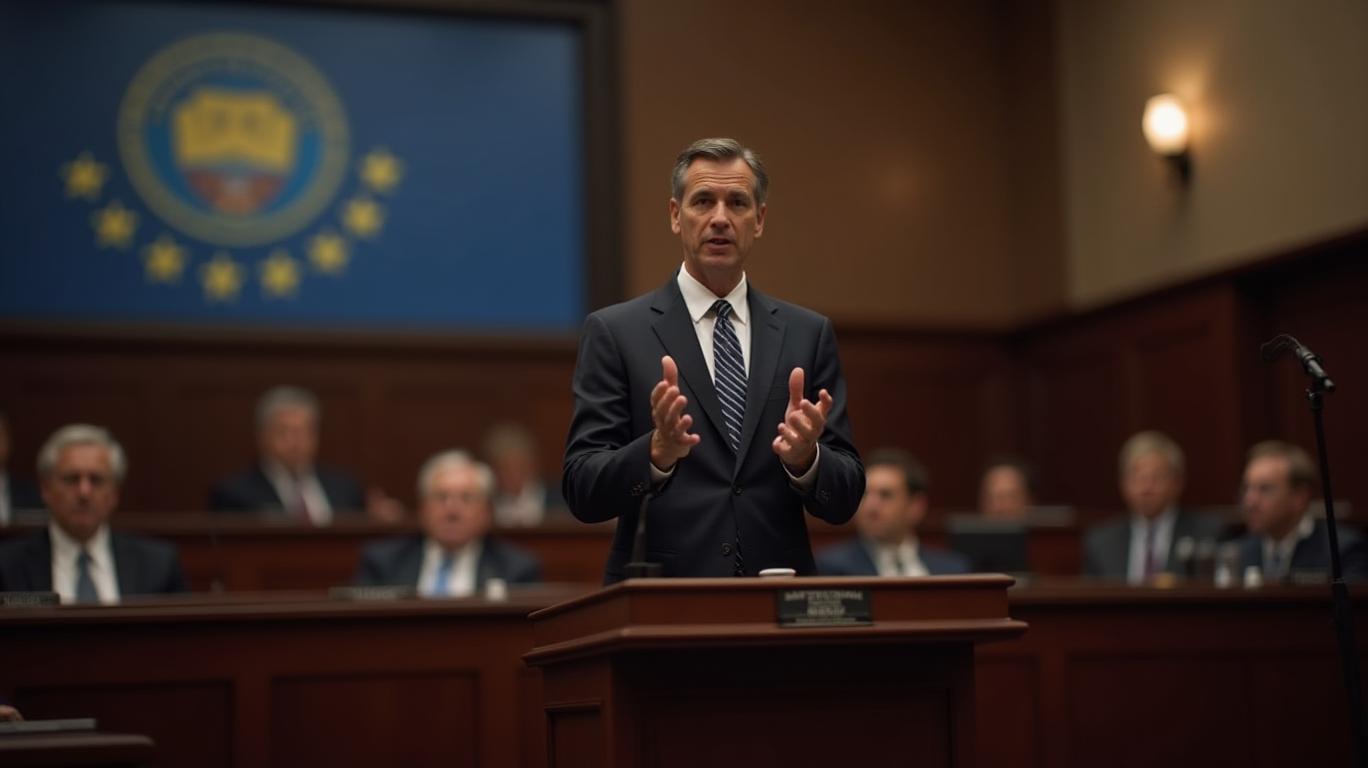

Stay ahead of the market.
Get curated U.S. market news, insights and key dates delivered to your inbox.






Comments
No comments yet