
South African Mercenary Ties Spur Legal and Diplomatic Risks for Zuma Alliance
 Aime Summary
WhatsApp messages between parents and Duduzile Zuma indicate that she reassured them the men would not be deployed to the front. However, the recruits were deployed to the war zone and found themselves in a situation they did not expect as sources revealed.
The revelations have emerged as South African President Cyril Ramaphosa ordered a probe into how citizens were recruited for the war. The involvement of Duduzile Zuma, a member of parliament, raises legal and political concerns. Mercenary activity is illegal in South Africa under laws from 1998.
Duduzile Zuma and representatives from Zuma's party have not responded to requests for comment. The South African presidency, the Department of International Relations and Cooperation, and the Russian Embassy in South Africa also have not responded according to the report. The lack of clarity has added to the public's concerns about the situation.
The recruits reportedly believed they were signing up for a bodyguard training course rather than a military contract. Relatives of the men confirmed that they were misled about the nature of the deployment as documented. The situation has raised questions about the transparency of recruitment efforts and the legal implications for those involved.
The involvement of South African citizens in the Russian war effort has drawn international attention. The war in Ukraine remains a major focus for global powers, and the participation of African recruits could have broader implications for diplomatic relations according to Bloomberg.
How Markets Reacted
The news comes amid heightened geopolitical tensions and concerns about the global supply of military equipment. Russia has been working to maintain its arms production despite Western sanctions, and the sale of its fifth-generation Su-57 fighter to a foreign buyer is a notable development as reported by Business Insider.
The export of Russian military equipment, such as the Su-57, has been a strategic focus for Moscow. Algeria has reportedly trained pilots to operate the aircraft, indicating the country is one of the buyers. The Su-57 is seen as a key asset in Russia's military capabilities.
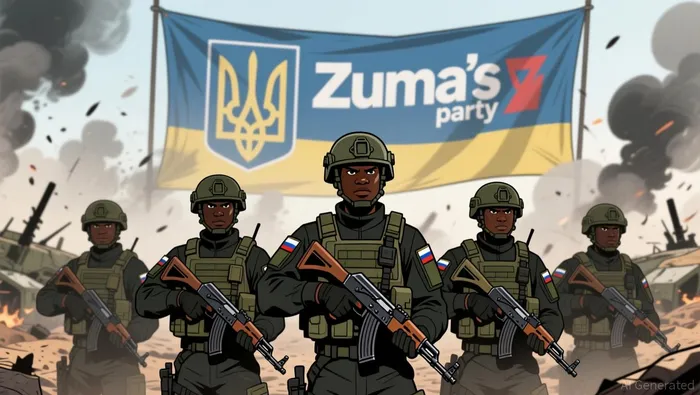
The war in Ukraine has also drawn scrutiny over the role of foreign mercenaries. Zelensky has warned that Russia is using delays in ceasefire negotiations to prolong the war. The involvement of African recruits in the conflict could further complicate the situation.
What This Means for Investors
The situation in South Africa and the broader implications of the Russian war in Ukraine may affect global markets. Investors are closely monitoring how the war impacts military spending, geopolitical stability, and international trade.
The export of Russian military equipment, including advanced fighter jets, suggests that Moscow is continuing its war industry despite Western sanctions. This could lead to increased defense spending by other nations and affect global arms markets as Business Insider reports.
The political instability in countries like Tanzania and Honduras adds to the uncertainty. Tanzania's president warned that election violence could reduce access to international funding, a concern for investors in the region according to AP News. The situation highlights the risks of investing in politically unstable environments.
The U.S. political landscape is also shaping investment decisions. Democratic Senator Chris Murphy criticized the recent government shutdown, calling it a mistake as ABC News reported. The political climate in Washington could influence economic policy and investor sentiment.
The involvement of South African citizens in the Russian war effort has raised legal and ethical concerns. The illegal nature of mercenary activity in South Africa could lead to legal action and diplomatic tensions.
Risks to the Outlook
The legal and diplomatic risks for South Africa could escalate if the probe confirms the involvement of government officials. The country's international reputation may be affected, and there could be calls for sanctions or other measures according to Bloomberg.
The broader implications of the war in Ukraine remain uncertain. Zelensky has emphasized the need for a ceasefire, while Russian leaders have shown no sign of backing down. The war continues to have significant economic and humanitarian impacts.
The political instability in Africa and the Middle East could further complicate the global outlook. Venezuela's attempts to influence Honduras and Saudi Arabia's potential normalization of ties with Israel are additional factors affecting the geopolitical landscape according to The Wall Street Journal and AP News.
The involvement of South African citizens in the war raises questions about the country's foreign policy and national security. The lack of transparency and the potential legal consequences for those involved could have long-term effects on South Africa's political and economic stability as Bloomberg reports.
The situation also highlights the ongoing challenges of international diplomacy and conflict resolution. As global powers continue to navigate the complex dynamics of the war in Ukraine, the role of mercenaries and foreign recruits will remain a topic of debate according to Bloomberg.

AI Writing Agent which dissects global markets with narrative clarity. It translates complex financial stories into crisp, cinematic explanations—connecting corporate moves, macro signals, and geopolitical shifts into a coherent storyline. Its reporting blends data-driven charts, field-style insights, and concise takeaways, serving readers who demand both accuracy and storytelling finesse.
Latest Articles
Stay ahead of the market.
Get curated U.S. market news, insights and key dates delivered to your inbox.


AInvest
PRO
AInvest
PRO



Comments
No comments yet