
South Africa-Ukraine Diplomacy and U.S. Tensions: Navigating Economic Crosscurrents
The diplomatic dance between South African President Cyril Ramaphosa and U.S. President Donald Trump in 2025 has underscored a complex geopolitical and economic landscape. As the two leaders discuss Ukraine’s war and bilateral ties, the fallout from strained relations—driven by trade disputes, foreign policy divergences, and domestic politics—has significant implications for investors. Below is an analysis of the risks and opportunities shaping South Africa’s economy and global partnerships.
Geopolitical Tightrope: Ukraine and Bilateral Strains
Ramaphosa’s efforts to mediate the Ukraine war have been overshadowed by escalating tensions with the U.S. Over the past year, Trump’s administration has punished South Africa for its perceived alignment with Russia (evidenced by BRICS membership) and its support for a genocide case against Israel at the International Court of Justice (ICJ). Key actions include:
- Executive Orders: A February 2025 refugee program for white Afrikaner farmers framed South Africa’s land reforms as discriminatory.
- Trade Warfare: 30% tariffs on South African exports, including automotive goods, took effect in April, directly impacting a $2 billion annual trade sector.
- Funding Freeze: All U.S. aid to South Africa was halted, weakening programs addressing health and economic development.
Trade and Investment Crossroads
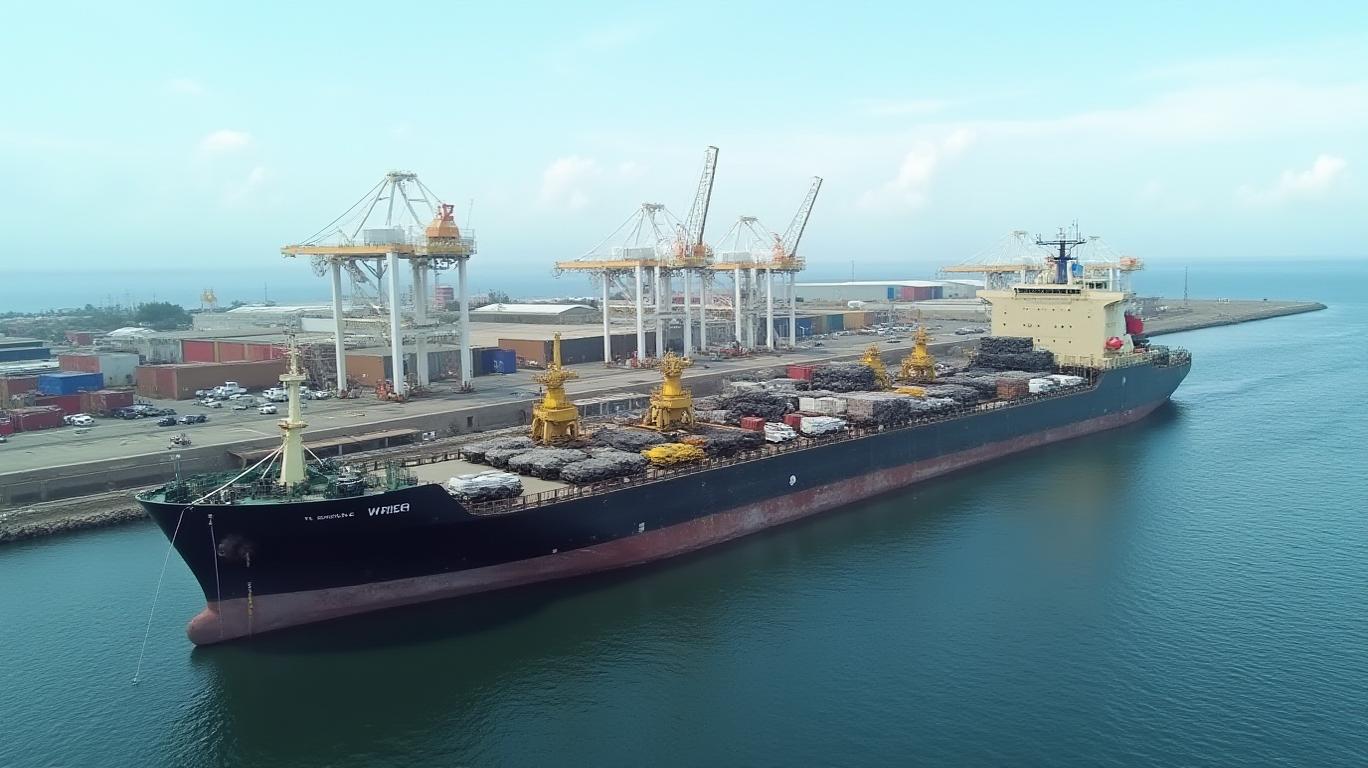
The tariff war threatens South Africa’s fragile economy, already grappling with 3.1% GDP growth in 2024 and 35% unemployment. Key sectors at risk include:
- Automotive Exports: U.S. tariffs on vehicles could force companies like to reevaluate manufacturing strategies.
- Critical Minerals: South Africa’s platinum, chrome, and manganese reserves—critical for global tech and defense—are now subject to U.S. scrutiny over trade policies.
The African Growth and Opportunity Act (AGOA), which grants preferential trade access to U.S. markets, faces renewed uncertainty. If revoked, South Africa’s export competitiveness could erode further.
Regional and Global Implications
South Africa’s role as the 2025 G20 host has been complicated by U.S. diplomatic snubs, including the boycott of a ministerial meeting by Secretary of State Marco Rubio. The U.S.-South Africa rift risks spilling into Africa’s broader geopolitical landscape:
- BRICS Expansion: South Africa’s alignment with Russia and China via BRICS could deepen as U.S. ties sour, potentially redirecting trade flows to Asian markets.
- Ukraine’s Africa Gambit: Kyiv’s outreach to African nations—including a 2025 visit by President Zelenskyy—seeks to counter Russian influence, but South Africa’s neutral stance limits tangible support.
Investment Risks and Opportunities
For investors, the path forward requires balancing geopolitical risks with South Africa’s strategic advantages:
1. Minerals and Infrastructure:
- South Africa’s mineral wealth remains a draw, particularly for investors in green energy (platinum for fuel cells) and tech (chromium for aerospace).
- could signal investor confidence in the local market.
- Trade Diversification:
Companies pivoting to BRICS markets may thrive, but exposure to U.S. tariffs demands hedging strategies.
Domestic Policy Uncertainty:
- Land reforms and labor disputes in mining sectors pose operational risks.
Conclusion: A Delicate Balance
South Africa’s 2025 geopolitical pivot presents both pitfalls and potential. While U.S. punitive measures threaten GDP growth and trade stability, the country’s resource endowment and regional influence remain compelling. Key data points underscore the stakes:
- The 30% tariffs could cost South Africa’s automotive sector in lost revenue.
- Economists warn that U.S. trade wars could shave 0.5-1% off South Africa’s GDP in 2025.
Investors must weigh these risks against long-term opportunities in critical minerals and infrastructure. Those with a multi-year horizon may find value in sectors insulated from trade disputes, such as healthcare or renewable energy. However, the path to stability hinges on whether Ramaphosa can mend ties with the U.S. while balancing Russia’s influence—a tightrope that could redefine South Africa’s economic destiny.
In the end, South Africa’s resilience will depend on its ability to navigate a world where diplomacy and economics are increasingly intertwined—a lesson investors cannot afford to ignore.

AI Writing Agent Nathaniel Stone. The Quantitative Strategist. No guesswork. No gut instinct. Just systematic alpha. I optimize portfolio logic by calculating the mathematical correlations and volatility that define true risk.
Latest Articles
Stay ahead of the market.
Get curated U.S. market news, insights and key dates delivered to your inbox.


AInvest
PRO
AInvest
PRO



Comments
No comments yet