
South Africa's Economic Renaissance: Leveraging Commodities and Infrastructure for Growth
South Africa, the economic powerhouse of Africa, is at a crossroads. While its GDP grew a mere 0.1% quarter-on-quarter in early 2025, the nation is positioning itself for a resurgence through strategic reforms in mining, infrastructure, and foreign investment. With its abundance of critical minerals and pivotal role in regional logistics, the country offers compelling opportunities for investors willing to navigate its complexities. Here's why now could be the time to bet on South Africa's comeback.
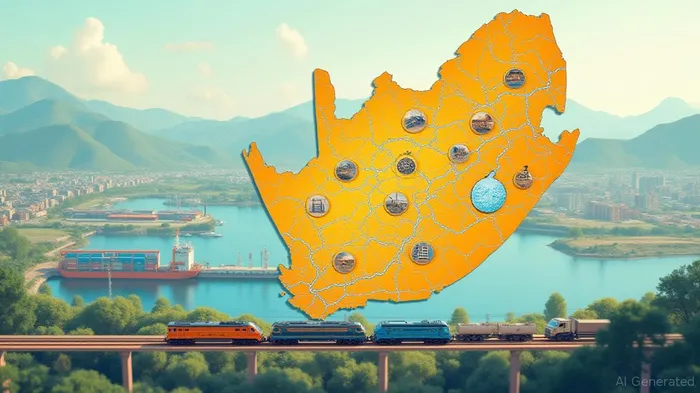
The Mining Sector: A Pillar of Recovery
South Africa's mining industry, contributing 7.3% to GDP, is the linchpin of its economic revival. The sector is undergoing a metamorphosis driven by global demand for “green metals”—platinum group metals (PGMs), lithium, and vanadium—that are essential for electric vehicles, renewable energy systems, and industrial catalysts.
- Platinum Group Metals (PGMs): South Africa holds 75% of global PGM reserves. While palladium prices have surged due to automotive demand, platinum faces headwinds from EV adoption. However, its role in green hydrogen production (a $12 billion market by 2030) could rebalance this dynamic.
- Lithium and Critical Minerals: Despite lacking lithium deposits, the country's strategic partnerships with lithium-rich nations (e.g., Zimbabwe) and its role in downstream processing (e.g., Sibanye-Stillwater's R4.2 billion investment) position it as a regional hub.
Recent policy reforms, however, add both risk and reward. The Mineral Resources Development Bill, while aiming to boost beneficiation and local ownership, has raised investor concerns over regulatory overreach. Its requirement for ministerial consent on mining rights transfers could deter foreign capital. Yet, the bill's emphasis on critical minerals aligns with global energy transitions, creating a mandate for compromise.
Infrastructure: The Logistics Lifeline
South Africa's infrastructure challenges—such as Transnet's 18–24 month permitting delays and port bottlenecks—have historically hampered growth. But the government's Operation Vulindlela is addressing these pain points:
- Rail Modernization: A R2.8 billion investment in the Mpumalanga coal line aims to boost rail capacity by 30% by 2027. Private sidings and performance-based slot allocation have already improved on-time delivery by 23%.
- Energy Diversification: Mines are adopting private power solutions, like Sibanye-Stillwater's 50 MW solar plant, which reduced load-shedding impacts by 12%.
These upgrades are critical. Logistics costs account for 14% of mining expenses, and reducing them could add 0.8% to GDP annually.
Foreign Direct Investment (FDI): The Catalyst for Growth
FDI in South Africa's mining and infrastructure sectors reached $2.1 billion in 2024–2025, driven by demand for critical minerals and improved investor frameworks. Key trends include:
- Green Metals FDI: Companies like Exxaro are investing R3 billion in rail upgrades to support lithium and PGM exports.
- Public-Private Partnerships (PPPs): Transnet's plan to outsource 30% of rail operations to private firms could unlock $10 billion in infrastructure spending by 2030.
Yet, risks persist. The VAT hikes and fuel levies (adding 4% to mining costs) and labor disputes remain hurdles. Investors should prioritize firms with diversified revenue streams and exposure to critical minerals.
Macroeconomic Outlook and Investment Takeaways
South Africa's GDP is projected to grow 1.2% in 2025, outpacing 2024's 0.5%, but inflation (2.7%) and unemployment (32.9%) remain stubborn. For investors:
- Buy the dip in mining stocks: Companies like Sibanye-Stillwater (exposure to PGMs and lithium) and Anglo American Platinum (beneficiary of hydrogen demand) offer value if commodity prices rebound.
- Infrastructure plays: Invest in logistics firms like Transnet (via government bonds) or rail equipment suppliers, which could benefit from PPPs.
- Avoid overexposure to coal: While coal demand remains robust (up 13% globally in 2024), environmental regulations and Transnet's port constraints pose long-term risks.
Conclusion: A Risk-Adjusted Opportunity
South Africa is not without its flaws—corruption, labor strikes, and policy uncertainty persist. Yet, its strategic location, mineral wealth, and improving infrastructure make it a must-watch market for commodity investors. The next 12–18 months will test whether reforms can balance state control with market incentives. For the bold, this could be the decade's most rewarding African bet.

Stay ahead of the market.
Get curated U.S. market news, insights and key dates delivered to your inbox.
AInvest
PRO
AInvest
PRO



Comments
No comments yet