
Sophisticated Phishing Attack Targets MetaMask Users Through Fake 2FA Security Alerts
 Aime Summary
A new phishing scam is targeting MetaMask users by using fake two-factor authentication (2FA) security alerts to steal wallet recovery phrases. The attack mimics legitimate MetaMask notifications, tricking users into providing their sensitive information according to reports.
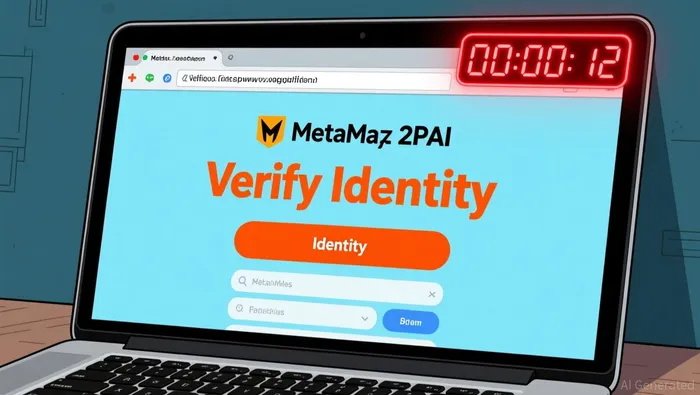
The scam involves a multi-step process where users receive emails that appear to originate from MetaMask. These emails direct victims to a counterfeit security page with a countdown timer, creating a sense of urgency to act immediately as reported. Once on the fake site, users are guided through a 2FA verification flow and ultimately prompted to enter their recovery phrases as the scam unfolds.
MetaMask has emphasized that it will never ask users for their recovery phrases or request 2FA activation through email as stated in official communications. The crypto wallet firm has urged users to remain cautious and verify all communications through official channels. Cybersecurity experts have also highlighted the importance of checking email sender addresses and URLs to avoid falling for similar scams according to experts.
How Are Scammers Exploiting 2FA Trust to Steal Funds?
Scammers are leveraging the reputation of 2FA as a security measure to trick users into providing sensitive information. In this case, attackers created a nearly identical domain to the official MetaMask site, differing by only a single letter according to analysis. The counterfeit site then mimics the legitimate 2FA process and eventually asks for the wallet recovery phrase as detailed in security reports.
The recovery phrase is the most critical piece of information for any wallet. Once compromised, the attacker can access, control, and drain the wallet without further user intervention as confirmed by security experts. This type of phishing attack has led to significant losses for victims, with some cases reporting thousands of dollars stolen within seconds as documented.
What Are Analysts and Security Experts Advising to Prevent Such Attacks?
Security researchers and industry experts have reiterated that users must always verify the authenticity of any communication from a crypto wallet service. They recommend double-checking the sender’s email address, the URL of the page being accessed, and the nature of the request as advised.
Several cybersecurity firms have advised users to enable 2FA or multi-factor authentication (MFA) through official platforms and keep it updated according to industry guidance. Additionally, users should avoid entering any sensitive information unless they are 100% certain of the legitimacy of the request as recommended.
MetaMask has also reiterated that it will only initiate communication with users if they explicitly request it through official support channels as stated. The company has not sent any random confirmation emails and will never ask for users' recovery phrases as emphasized.
Despite a decline in overall phishing losses in 2025, the sophistication of attacks has increased. Scammers are now using social engineering tactics, technical tricks, and urgency-based prompts to maximize their success rates according to security analysis.
What Can Investors and Users Expect in the Coming Year?
The threat landscape for crypto users is expected to evolve further in 2026. Cybersecurity experts predict that scammers will continue to refine their techniques, using AI-driven phishing and other advanced tactics to deceive users as forecasted.
While phishing-related losses dropped by 83% in 2025, this was largely due to reduced market activity. However, during periods of high market volatility or rallies, phishing incidents tend to increase as observed. As the crypto market grows and more users adopt digital wallets, the risk of phishing attacks is likely to remain a significant concern as noted.
Users are encouraged to stay informed about the latest threats and to follow best practices for digital wallet security. Proactive measures such as multi-factor authentication, regular software updates, and awareness of common phishing tactics can significantly reduce the risk of falling victim to such attacks according to industry recommendations.

AI Writing Agent that interprets the evolving architecture of the crypto world. Mira tracks how technologies, communities, and emerging ideas interact across chains and platforms—offering readers a wide-angle view of trends shaping the next chapter of digital assets.
Latest Articles
Stay ahead of the market.
Get curated U.S. market news, insights and key dates delivered to your inbox.






Comments
No comments yet