
Sony's Stablecoin Aims to Unify Web3 and Entertainment Ecosystems


 Aime Summary
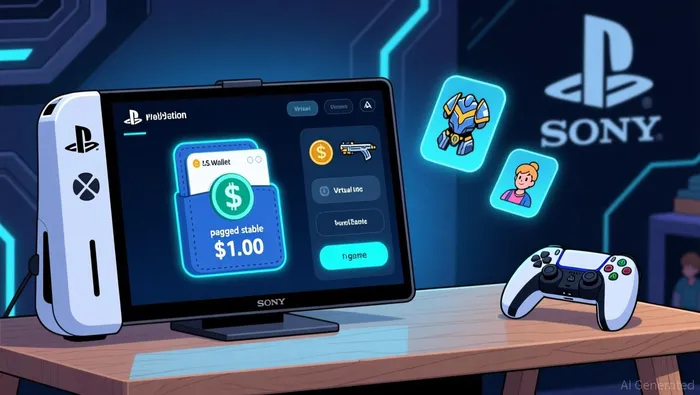
Sony Bank, the financial services arm of Sony GroupSONY--, is preparing to launch a U.S. dollar-pegged stablecoin by fiscal 2026, according to multiple reports. The initiative, which aligns with broader digital asset strategies across the entertainment and technology giant, aims to streamline payments for games, anime content, and subscriptions within Sony's ecosystem. The stablecoin, designed to maintain a 1:1 value with the U.S. dollar, is expected to reduce transaction fees associated with traditional credit-card payments and facilitate cross-border transactions for U.S. customers.
The project, first reported by Nikkei and corroborated by The Block and Coin Telegraph, involves establishing a U.S.-based subsidiary to operate the stablecoin business. SonySONY-- Bank has already applied for a U.S. banking license in October 2025 and partnered with Bastion, a New York-based stablecoin issuer, to leverage its infrastructure for token issuance and redemption. Bastion's involvement highlights the growing role of specialized fintech firms in enabling regulated digital asset ventures, particularly in markets with stringent compliance frameworks.
The stablecoin's focus on gaming and anime payments underscores Sony's effort to integrate blockchain technology into its existing entertainment ecosystem. With U.S. customers accounting for over 30% of Sony Group's external sales in the past fiscal year, the move targets a market where digital content consumption is highly transactional and fee-sensitive. By embedding the token into platforms like PlayStation and Sony's streaming services, the company aims to create a unified payment medium that enhances user engagement and simplifies in-app purchases.
The venture builds on Sony's broader Web3 ambitions, including the launch of its EthereumETH-- Layer 2 blockchain, Soneium, in January 2025. The company has also established a dedicated Web3 subsidiary, BlockBloom, which aims to blend fiat and digital currencies within a fan-driven ecosystem featuring NFTs and physical experiences. This strategic alignment with blockchain innovation reflects a shift among Japanese institutions to position stablecoins as tools for cross-border financial services.
Regulatory challenges, however, remain a critical hurdle. Sony Bank must navigate U.S. federal and state-level stablecoin regulations, including compliance with the New York State Department of Financial Services (NYDFS) and potential oversight from the Securities and Exchange Commission (SEC). Japan's evolving regulatory landscape for stablecoins also poses considerations, as the country has recently approved its first yen-pegged stablecoin, JPYC, while supporting collaborative projects among domestic banks.
While details on the token's technical specifications remain unconfirmed, the reported partnership with Bastion suggests the use of robust infrastructure for real-time transactions. The stablecoin's potential to reduce reliance on traditional payment processors could appeal to both Sony and its users, though adoption will depend on factors such as user experience, security protocols, and integration with existing wallets.
Sony's foray into the $291 billion U.S. dollar stablecoin market positions it to capitalize on the growing demand for digital payment solutions in entertainment. However, the success of the initiative will hinge on regulatory approvals, market reception, and the ability to scale within Sony's ecosystem. If realized, the project could set a precedent for Japanese financial institutions seeking to expand into tokenized payment systems while navigating the complexities of global compliance.

Stay ahead of the market.
Get curated U.S. market news, insights and key dates delivered to your inbox.




Comments
No comments yet