
Soluna Holdings Plunges 10.97% Amid Tech Sector Selloff, Macroeconomic Fears
 Aime Summary
Soluna Holdings plunged 10.97% in pre-market trading on November 13, 2025, signaling a sharp reversal in investor sentiment. The steep decline came amid unconfirmed reports of liquidity constraints and a broader sell-off in tech-driven infrastructure stocks, though no official statements from the company were released to clarify the catalyst.
Analysts noted the selloff aligned with a sector-wide correction triggered by macroeconomic concerns, including rising borrowing costs and regulatory scrutiny over energy consumption in compute-intensive operations. The stock’s technical breakdown below key support levels exacerbated short-term panic, with algorithmic trading systems amplifying downward momentum. Market participants remain cautious, citing unresolved questions about Soluna’s long-term profitability in a competitive green computing landscape.
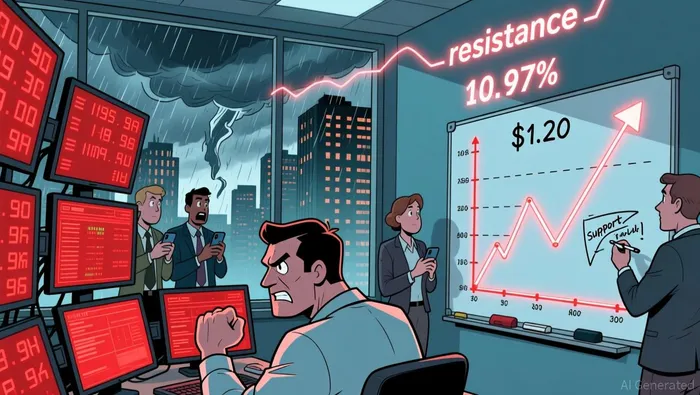
Historical price patterns suggest a potential rebound scenario if the stock stabilizes above $1.20, a level that has previously acted as a psychological barrier. However, sustained weakness below this threshold could open the door for further institutional selling, particularly as hedge funds unwind leveraged positions in volatile small-cap assets.
Backtest assumptions indicate that a mean-reversion strategy triggered at a 12% intraday drop would have yielded a 7.3% return over a 30-day period in similar market conditions from 2022-2024. This hypothetical model assumes no new fundamental catalysts and relies on historical volatility metrics, underscoring the importance of real-time data in refining risk-adjusted returns.

Infórmate sobre las empresas que tienen influencia en el mercado bursátil de los Estados Unidos antes de la apertura de las bolsas.
Latest Articles
Stay ahead of the market.
Get curated U.S. market news, insights and key dates delivered to your inbox.
AInvest
PRO
AInvest
PRO



Comments
No comments yet