
Solar Tariffs: A New Dawn for U.S. Manufacturing or a Storm Cloud for Renewable Growth?
The U.S. solar industry stands at a crossroads. On April 21, 2025, the Department of Commerce finalized tariffs on solar imports from Cambodia, Vietnam, Malaysia, and Thailand—countries that supplied 80% of U.S. solar panels—triggering a seismic shift in global supply chains and fueling both optimism and anxiety.
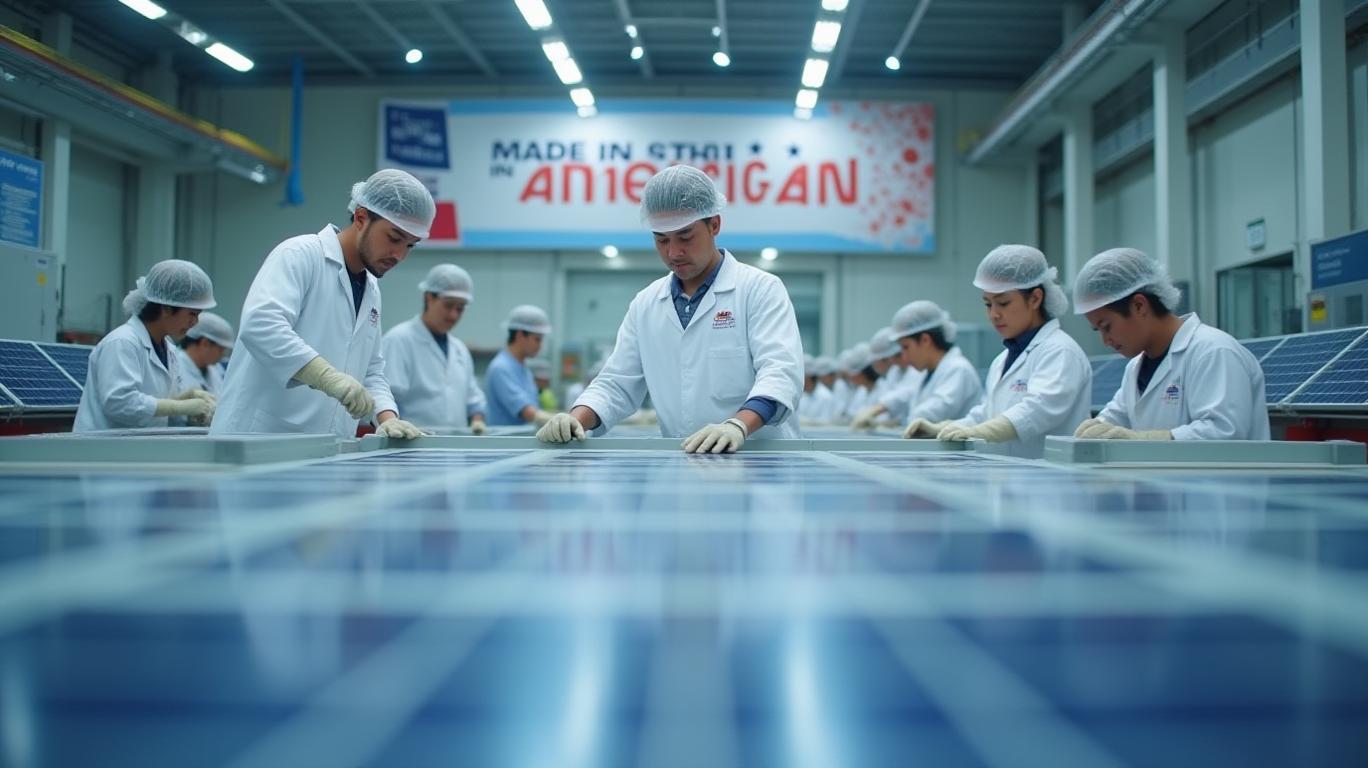
The Tariff Tsunami: Winners and Losers
The tariffs, reaching as high as 3,521% for Cambodian imports, were framed as a defense of U.S. manufacturers against “unfair” foreign competition. Companies like Hounen Solar and Solar Long faced punitive rates after withdrawing from the Commerce Department’s investigation, while others, such as Hanwha Qcells, secured favorable terms by proving ties to U.S. facilities.
The immediate market reaction was unequivocal: U.S. solar stocks soared.
First Solar’s shares jumped 14%, reflecting investor confidence in domestic producers. Analysts noted this as a “decisive victory” for American manufacturing, but critics warned of unintended consequences.
The Double-Edged Sword of Protectionism
While tariffs aim to boost U.S. jobs and output, they risk stifling the very renewable energy transition they seek to protect. The Department of Commerce estimates tariffs will add $0.15 per watt to solar panel costs, threatening project timelines and budgets.
The Solar Energy Industries Association (SEIA) issued a stark warning:
> “These tariffs could delay or cancel up to 23 GW of solar projects this year, undermining climate goals and straining an already fragile supply chain.”
Meanwhile, companies like SolarBank (SUUN) are pivoting to Middle Eastern and Canadian suppliers to avoid tariffs. CEO Dr. Richard Lu emphasized:
> “Our focus on North American partnerships positions us to capitalize on rising demand for locally sourced solutions, especially as electricity costs climb.”
A Policy Crossroads: ITC’s Decision Looms
The tariffs’ future hinges on the U.S. International Trade Commission (ITC), which will rule by May 20, 2025 whether to uphold them. A “yes” would cement the Trump administration’s trade hardline stance but could spark retaliatory measures from China, further straining global trade.
The Bigger Picture: Climate vs. Commerce
The tariffs highlight a stark trade-off: protecting domestic industries versus accelerating renewable energy adoption. While U.S. manufacturers gain breathing room, the $0.15/watt cost hike could deter smaller developers and utilities.
The data tells a cautionary tale:
- 80% of U.S. solar imports previously relied on the four sanctioned countries.
- India’s solar manufacturers, facing lower U.S. tariffs (~36%), may fill the void but lack the scale to meet demand.
Conclusion: Navigating the Solar Crossroads
The April 2025 tariffs mark a pivotal moment for solar energy—a sector critical to global decarbonization. While they offer a lifeline to U.S. manufacturers like First Solar, they risk slowing the pace of renewable adoption at a time when climate action is urgent.
Investors should monitor two key indicators:
1. ITC’s May 20 ruling, which could lock in tariffs or open the door to trade negotiations.
2. SolarBank’s (SUUN) success in securing Canadian and Middle Eastern suppliers, which may foreshadow the industry’s post-tariff supply chain.
In the end, the solar industry’s future hinges on balancing protectionism with pragmatism. As Dr. Lu noted, “This isn’t just about tariffs—it’s about building a resilient, equitable energy system.” The path forward remains uncertain, but the stakes could not be higher.

Stay ahead of the market.
Get curated U.S. market news, insights and key dates delivered to your inbox.






Comments
No comments yet