
The Solar Storm Risk: How Aviation's Tech Vulnerability Could Spur Growth in Space-Resilient Infrastructure


 Aime Summary
The aviation industry's recent brush with solar storm-induced chaos has exposed a critical vulnerability in modern aircraft systems-and created a golden opportunity for investors in space-resilient infrastructure. In November 2025, Airbus issued an emergency directive for over 6,000 A320-family aircraft after a JetBlueJBLU-- flight experienced an uncommanded altitude drop caused by solar radiation corrupting flight-control data according to Airbus. This incident, triggered by a "bit flip" in the ELAC (Elevator and Aileron Computer) system, forced airlines to ground fleets for urgent software and hardware updates, disrupting holiday travel and sparking a global conversation about the fragility of aviation technology in the face of space weather.
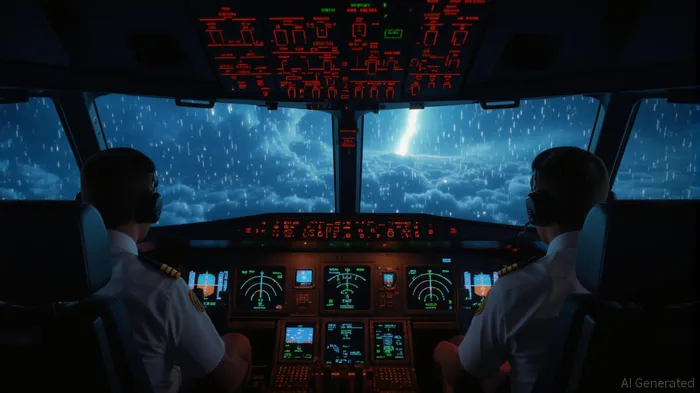
The Airbus Crisis: A Wake-Up Call for Aviation Resilience
The October 30 JetBlue incident revealed a systemic risk: solar radiation can disrupt aircraft systems in ways previously underestimated. Airbus's emergency AOT mandated software rollbacks and hardware upgrades for 6,000 planes, with older aircraft requiring more extensive repairs. While the company emphasized that such events are rare, the incident underscored the need for radiation-hardened electronics in aviation systems. As one industry analyst noted, "This crisis is a canary in the coal mine" for the broader aerospace sector. Solar activity is cyclical, and we're entering a peak period for Solar Cycle 25.
The ripple effects extended beyond Airbus. Airlines like American, DeltaDAL--, and JetBlue scrambled to complete repairs within 48 hours, while Indian carriers grounded over 350 planes for days. The crisis also accelerated interest in space-based solutions. Airbus's recent Vigil satellite project, designed to monitor solar activity from the L5 Lagrange point, now takes on new urgency. By providing early warnings of coronal mass ejections (CMEs), Vigil could help airlines and infrastructure operators mitigate disruptions before they occur.
Radiation-Hardened Tech: A Booming Market
The Airbus crisis has catalyzed a surge in demand for radiation-hardened electronics, a sector poised for explosive growth. The global market for these components, which protect satellites, aircraft, and military systems from solar radiation, is projected to expand from $1.96 billion in 2025 to $3.24 billion by 2034, growing at a 5.76% compound annual rate. This growth is driven by the need to safeguard not just aviation systems but also satellite constellations and defense infrastructure.
Investors are already pivoting. Rocket Lab reported a 55% year-over-year revenue increase in 2025, partly due to demand for radiation-resistant satellite components. AST SpaceMobile, which is building a space-based cellular network, has secured partnerships with global telecom operators and is on track for $50–75 million in revenue by late 2025. These companies exemplify a broader trend: space infrastructure is becoming a critical hedge against terrestrial vulnerabilities.
Satellite Navigation: The New Frontier of Resilience
The crisis also spotlighted the fragility of Global Navigation Satellite Systems (GNSS). Solar storms can disrupt GPS signals, forcing airlines to reroute flights and delay operations. The global GNSS market, valued at $301.37 billion in 2024, is expected to balloon to $703.21 billion by 2032, driven by demand for precision navigation in aviation, autonomous vehicles, and defense applications.
Aerospace experts argue that the Airbus incident will accelerate adoption of satellite-based navigation systems with built-in redundancy. For example, the European Union's Galileo system and the U.S. GPS III modernization program are gaining traction as alternatives to vulnerable single-source systems. This shift creates opportunities for firms specializing in multi-constellation GNSS receivers and AI-driven anomaly detection.
Cybersecurity: The Hidden Layer of Risk
Solar storms aren't just a hardware problem-they also expose cybersecurity vulnerabilities. Disrupted communications and corrupted data can create openings for cyberattacks, as seen in the 2024 Japan Airlines breach. The aviation sector's 24% annual rise in cyberattacks since 2022 underscores the need for integrated solutions that address both solar radiation and malicious threats.
Investors are taking note. The Procure Space ETF (UFO), which includes firms in satellite communications and cybersecurity, has attracted inflows as airlines and defense contractors prioritize resilience. Companies like Kratos Defense, which provides secure communication systems, have seen their stock prices triple in 2025 due to increased defense spending.
The Long Game: Space Infrastructure as a Strategic Asset
The Airbus crisis has reshaped the investment landscape for space infrastructure. While traditional aerospace firms grapple with supply chain bottlenecks, space-focused companies are thriving. Rocket Lab's Neutron rocket and AST SpaceMobile's BlueBird satellite network represent the next wave of innovation, backed by $4.4 billion in private-sector investment in late 2025.
Government contracts further bolster this sector. The U.S. military's 2026 budget, projected to exceed $1 trillion, includes funding for space-based defense systems like the Pentagon's Golden Dome initiative. These programs not only secure national security but also create a stable revenue stream for firms in the space supply chain.
Conclusion: Investing in the Unseen
The Airbus solar storm crisis is a harbinger of a new era in aerospace. As solar activity peaks and digital systems become more interconnected, the demand for radiation-hardened tech, satellite navigation, and cybersecurity will only grow. For investors, this means opportunities in both pure-play space companies and diversified aerospace giants. The key is to balance high-growth potential with the sector's inherent volatility-diversification through ETFs like UFO or targeted bets on firms like Rocket Lab and AST SpaceMobile could offer the best of both worlds.
In the end, the skies may be getting more turbulent, but the companies building resilience against solar storms are flying higher than ever.

Delivering real-time insights and analysis on emerging financial trends and market movements.
Latest Articles
Stay ahead of the market.
Get curated U.S. market news, insights and key dates delivered to your inbox.




Comments
No comments yet