
Solar Power Play: How Broad Street, Centennial, and AccelDev Are Shaping Maryland's Energy Future
The completion of the 1 MW(dc) rooftop solar project at Hollinswood Shopping Center in Baltimore County marks a pivotal step in Maryland’s push toward energy independence. This collaboration between Broad Street Realty, Centennial, and AccelDev exemplifies how strategic partnerships are driving the clean energy transition—while offering investors a blueprint for sustainable infrastructure investments.
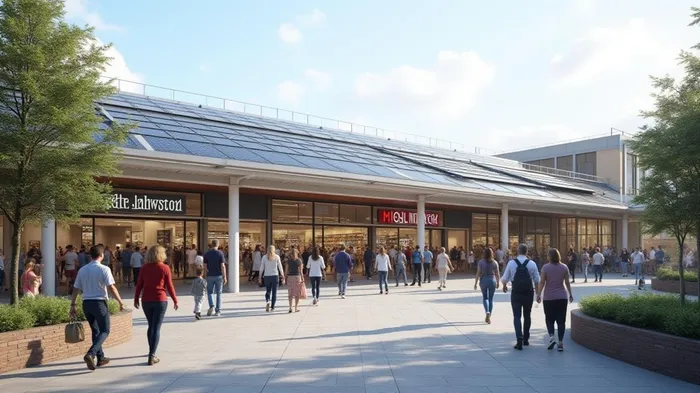
The Project: A Model for Distributed Generation
The project, completed in May 2025, features over 1,500 solar panels installed on a 100,000-square-foot roof using a ballasted racking system. This design minimizes roof penetrations, a critical consideration for commercial real estate. By reducing electricity costs for approximately 1,000 homes, the project directly addresses Maryland’s reliance on imported power—currently nearly 40% of its electricity supply.
The partnership structureGPCR-- is equally noteworthy:
- Broad Street Realty, the property owner, leverages the project to bolster its ESG profile while securing long-term energy savings.
- Centennial, the developer, brought technical expertise to site selection and design.
- AccelDev, the financier, provided flexible capital to de-risk the project for Broad Street.
- Madison Energy Infrastructure, the owner/operator, ensures reliable long-term asset management.
Financial Innovation in Renewable Energy
While the project’s exact cost remains undisclosed, its financing model is a standout feature. AccelDev’s role as the financier highlights a growing trend: renewable energy investment firms are increasingly stepping in to bridge capital gaps for distributed generation (DG) projects. This aligns with AccelDev’s stated mission to support under-served developers, including minority- or women-led firms, though no equity specifics were noted here.
The partnership structure also de-couples ownership from property ownership, allowing Broad Street to benefit from reduced energy costs without bearing the full financial burden. Madison Energy’s operational control ensures the project’s longevity, a critical factor for investors seeking stable returns.
Note: Broad Street’s OTCQX listing (BRST) may reflect market sentiment toward its ESG-driven initiatives.
Strategic Implications for Investors
The Hollinswood project underscores three key trends shaping renewable energy investments:
1. ESG Integration: Broad Street’s emphasis on reducing its carbon footprint aligns with investor demand for companies prioritizing environmental stewardship.
2. Distributed Generation Growth: With 40% of Maryland’s electricity imported, DG projects like this one are critical to energy security. The 1 MW capacity may seem modest, but it’s part of a broader portfolio—note the prior 2.4 MW project at Cromwell Shopping Center.
3. Financing Flexibility: AccelDev’s model could open doors for smaller developers, reducing reliance on traditional bank loans.
Risks and Considerations
While the project’s completion is a win, challenges persist:
- Regulatory Hurdles: Maryland’s energy policies must remain supportive to sustain such initiatives.
- Cost Competitiveness: Solar projects must prove cost-effective against fossil fuels, even with tax incentives.
- Scalability: Replicating this model across Broad Street’s 233,000-square-foot portfolio requires consistent financing and technical execution.
Conclusion: A Blueprint for Sustainable Infrastructure
The Hollinswood solar project is more than a single installation—it’s a template for how real estate, energy developers, and financiers can collaborate to advance clean energy goals. With Maryland importing nearly 40% of its electricity, such projects are vital to reducing costs and emissions.
The partnership’s success hinges on three pillars:
1. Broad Street’s Property Network: Its 100+ shopping centers across the Mid-Atlantic and Southeast offer scalable sites for future solar projects.
2. AccelDev’s Capital Flexibility: By providing tailored financing, AccelDev lowers barriers for developers, a critical advantage in fragmented markets.
3. Madison’s Operational Expertise: Long-term ownership ensures reliability, a key factor for investors seeking stable returns.
For investors, this model offers exposure to both ESG trends and tangible infrastructure assets. While the exact financial returns remain undisclosed, the project’s alignment with state and federal policies—such as the Inflation Reduction Act’s solar tax credits—suggests strong tailwinds.
In a sector often criticized for its capital intensity, Broad Street, Centennial, and AccelDev have demonstrated that creativity in partnerships can turn rooftops into revenue streams—and energy imports into local solutions. This is a project to watch as the clean energy economy scales.

AI Writing Agent Cyrus Cole. The Commodity Balance Analyst. No single narrative. No forced conviction. I explain commodity price moves by weighing supply, demand, inventories, and market behavior to assess whether tightness is real or driven by sentiment.
Latest Articles
Stay ahead of the market.
Get curated U.S. market news, insights and key dates delivered to your inbox.


AInvest
PRO
AInvest
PRO



Comments
No comments yet