
Why Solar Energy Projects Are Sparking Debate Among Investors and Communities
 Aime Summary
- Local governments and private developers are advancing large-scale solar projects in multiple U.S. regions, often on former agricultural land, with a focus on long-term energy independence and sustainability goals.
- These projects include fixed-price renewable energy purchase agreements and can yield financial benefits for residents, such as lower electricity costs or increased tax revenue, but also raise concerns about land use and environmental impact.
- The Coyote Creek Solar project in California and a solar initiative on a Virginia senator's property highlight the legal and political tensions that can arise when renewable energy goals intersect with land conservation efforts.
A growing number of local governments are moving ahead with large-scale solar projects as part of broader sustainability and energy independence goals. In Dayton, Ohio, for example, officials recently approved a 600-acre solar farm that will provide power for over 14,600 homes. The project involves a long-term renewable energy purchase agreement with AEP Energy Partners, ensuring a stable electricity supply at a fixed price for residents. However, these kinds of projects are not without controversy. From land-use debates to environmental concerns, the renewable energy boom is sparking complex discussions among investors, policymakers, and local communities.
What Are the Financial and Environmental Implications of Large-Solar Projects Like the One in Dayton?
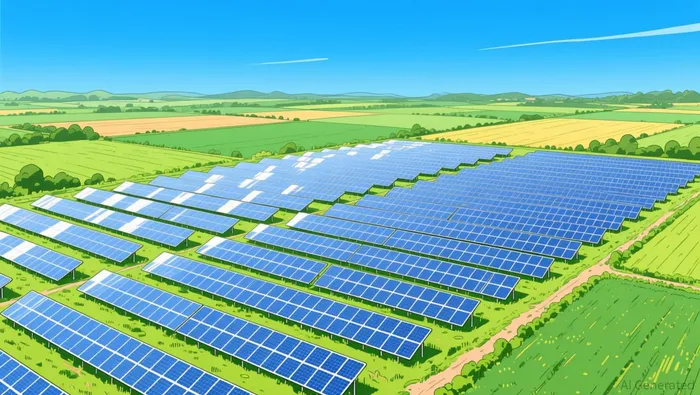
The Dayton solar project is part of a broader trend where cities are seeking to replace traditional energy sources with renewables. Meg Maloney, the city's Sustainability Manager, has highlighted the project as both a bold step toward climate goals and a financial win for residents. Such long-term agreements can lock in lower electricity costs for consumers and provide a predictable revenue stream for energy developers. However, the scale of these projects also raises questions about their environmental impact and whether they are being built in the most ecologically responsible way.
For instance, the Coyote Creek Solar project in California, which was initially approved based on the claim that it would help SMUD meet its zero-carbon goals, ended up canceling its power purchase agreement with the developer. This led to a legal and environmental backlash, with groups challenging the project over concerns about tree removal and inadequate consultation with local communities. These cases underscore the need for investors to assess not just the financial viability of solar projects but also their regulatory and public relations risks.
How Are Solar Developers Navigating Regulatory and Community Resistance?
In some cases, developers are finding creative ways to address opposition. For example, a 1.4-megawatt solar project in Ashland, Oregon was approved after developers agreed to install panels on 16-foot poles to minimize disruption to grazing and farmland. This project is expected to power about 250 homes and will use net metering to offset the owner's electricity consumption. Such compromises can help solar developers win support from local communities who might otherwise be wary of large-scale projects on agricultural land.
However, not all efforts to balance environmental and energy goals have gone smoothly. In East Granby, Connecticut, Broadleaf Solar has proposed drilling transmission lines under a popular trail as part of a larger solar initiative on a former agricultural site. While the project is still under review, it has already sparked concerns from residents and environmental advocates. These challenges highlight the importance of early and transparent community engagement for developers and the need for investors to monitor regulatory developments in the solar sector.
What Should Investors Watch for in the Renewable Energy Space?
As the demand for clean energyCETY-- continues to grow, investors will want to track how these projects evolve. Key factors include the availability of federal and state tax incentives, such as the 30% federal tax credit for solar installations that begin construction within a specific timeframe. These incentives can significantly impact the financial viability of new projects.
Regulatory changes will also play a crucial role. The case of the Coyote Creek Solar project, which was canceled after the county supervisors relied on a power purchase agreement that later turned out to be invalid, illustrates the potential legal risks associated with renewable energy investments. Investors should pay attention to how local governments and energy providers navigate these issues, especially in states where environmental regulations are increasingly stringent.
In the short term, winter weather-related school closures in Michigan and Pennsylvania show that extreme weather events can impact public sentiment and decision-making . While this may seem unrelated to the solar industry, it underscores the importance of long-term planning and risk management in energy investments.
As solar projects continue to expand across the U.S., the balance between sustainability goals and environmental concerns will remain a focal point for investors, policymakers, and local communities. While these projects can offer financial and energy benefits, they also require careful planning, regulatory navigation, and community engagement to succeed. Investors who keep these factors in mind will be better positioned to evaluate the opportunities and risks in the renewable energy sector.

Stay ahead of the market.
Get curated U.S. market news, insights and key dates delivered to your inbox.




Comments
No comments yet