
Solana Shifts Focus to Privacy Amid Market Pressures
 Aime Summary
The SolanaSOL-- ecosystem is increasingly prioritizing privacy-focused projects as the memecoinMEME-- narrative fades, with solutions like GhostWareOS and Umbra aiming to enable truly anonymous transactions.
Major token unlocks in 2026 from projects such as Wormhole, Pyth NetworkPYTH--, and Pump.fun could increase selling pressure and temporarily affect market dynamics.
A security breach at Step Finance resulted in a $40 million loss, raising concerns about DeFi treasury vulnerabilities and the need for stronger security protocols.
The Solana blockchain is seeing a shift in its narrative as developers and users move toward privacy-driven innovations. These initiatives aim to 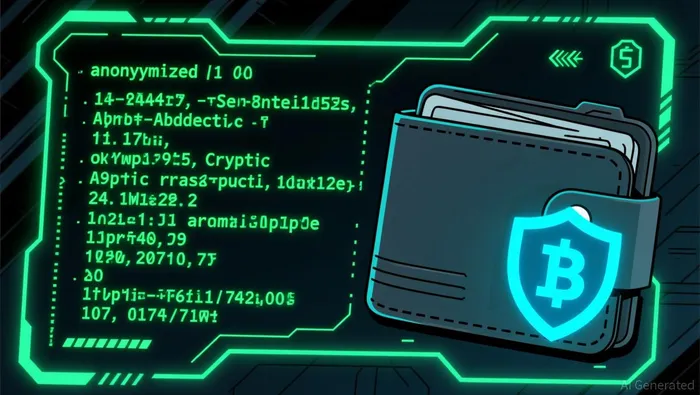 provide anonymous transaction capabilities through tools like privacy wallets and zero-knowledge circuits, potentially overshadowing the previous emphasis on memecoins.
Despite this growing focus on utility, the ecosystem faces challenges from upcoming token unlocks. These events, which are expected in April and July 2026, could temporarily increase the supply of tokens in circulation. This, in turn, could lead to increased selling pressure, particularly in a weak market environment.
Security remains a major concern as recent breaches highlight vulnerabilities in DeFi infrastructure. Step Finance's $40 million loss underscores the need for stronger security measures and the potential for financial harm in decentralized platforms.
What is driving the shift toward privacy on Solana?
The Solana ecosystem is responding to changing user demands by prioritizing privacy-focused applications. As the memecoin craze loses momentum, developers are turning to privacy projects like GhostWareOS and Umbra to offer more secure and anonymous services. These tools are designed to enable private payments and token swaps, addressing growing concerns about data and financial privacy.
This pivot is not limited to individual users. Institutional players are also showing interest in privacy solutions, suggesting that these developments could shape the broader narrative of the Solana blockchain in 2026.
What are the risks associated with upcoming token unlocks?
Token unlocks from major Solana projects could temporarily disrupt market dynamics. When previously locked tokens become tradable, it often leads to increased selling pressure as early participants and investors look to realize profits.
Three key unlock events are scheduled for 2026: Wormhole (W) in April, PythPYTH-- Network (PYTH) on May 19, and Pump.fun (PUMP) on July 12. These releases could significantly expand token supply and affect market depth. In a weak market, even moderate selling activity could lead to disproportionate price movements.
While token unlocks are not inherently negative, their impact depends on who receives the tokens and their intention to sell. If institutional interest in crypto assets increases, some of the pressure could be offset. However, in the current environment, further price declines are possible if demand remains weak.
How have recent security breaches affected Solana's DeFi ecosystem?
The Step Finance breach has exposed vulnerabilities in decentralized finance platforms. The $40 million loss occurred after hackers stole SOL from treasury wallets and withdrew the funds after staking. This incident highlights the risks associated with DeFi and the need for stronger security measures.
Treasury management in DeFi is a complex and high-stakes area. As the Solana ecosystem grows, it must address these vulnerabilities to maintain trust and attract institutional investors. The breach has also prompted calls for better security practices, including stronger audits and more robust smart contract protections.
The recent decline in Solana's price has further amplified these concerns. Treasury companies that hold significant amounts of SOL have seen their holdings lose value, adding financial pressure to the ecosystem. As a result, Solana may need to focus on both technological and security improvements to regain confidence among investors and developers.

Blending traditional trading wisdom with cutting-edge cryptocurrency insights.
Latest Articles
Stay ahead of the market.
Get curated U.S. market news, insights and key dates delivered to your inbox.


AInvest
PRO
AInvest
PRO



Comments
No comments yet