
Solana News Today: Tuna Launchpad Spurs New Liquidity Model for Solana Memecoins
 Aime Summary
A new Solana-based launchpad called Tuna has introduced a bonding curve system with a 60-minute exit protection period. The feature aims to prevent early dumping of memecoins after launch by locking in initial buyers' capital during a volatile phase. This design offers early participants a zero-loss exit option if they decide to leave before the protection period ends.
The system shifts from traditional liquidity pools to a structured bonding curve, where prices rise with demand. During the first hour, sellers cannot dump their tokens without incurring losses. This mechanism is intended to curb the common issue of rapid price collapses in the SolanaSOL-- memecoinMEME-- market.
The Tuna launchpad is distinct from DefiTuna, a separate DeFi protocol offering liquidity solutions and trading tools. While both operate under the same brand name, their use cases and teams are unrelated. The new launchpad's focus is on structured token creation and market stability, while DefiTuna remains active in the broader DeFi space.
A New Approach to Memecoin Launches
Solana's memecoin economy has long thrived on speed and low fees, but these traits also enable speculative abuse. Tuna's bonding curve model introduces friction without stifling innovation. 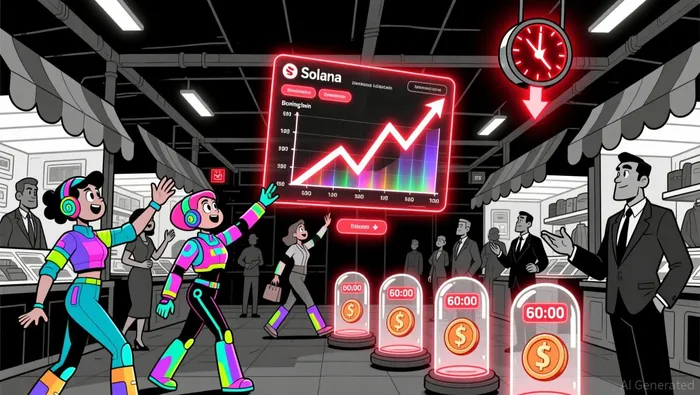 During the first hour of a token's launch, buyers can enter at increasing prices, and sellers face restrictions that prevent immediate dumping. If a buyer chooses to exit during the protected phase, they can reclaim their principal, excluding gas fees. This structure reduces panic selling driven by early volatility.
The exit protection phase ends after 60 minutes, at which point the token transitions to open market trading. This shift removes the artificial safety net and restores normal market dynamics. By encouraging early buyers to evaluate continued demand after the lockup period, the design alters the incentives of speculative trading. Developers and analysts will closely watch whether this approach leads to more sustainable token performance post-launch.
Implications for Solana's Ecosystem
The Tuna launchpad's model could reshape how new tokens are evaluated on Solana. By reducing the incentive for immediate selling, the mechanism promotes a more measured flow of liquidity. This is particularly relevant in a market where memecoins often collapse after attracting initial hype and selling pressure from insiders.
Analysts see the initiative as a potential benchmark for structured launchpad design. If successful, it could reduce rug pulls and other abusive practices while maintaining the speculative appeal of Solana's ecosystem. The outcome will depend on post-lockup behavior-whether liquidity remains strong or evaporates quickly. Traders will watch for patterns, while developers will assess whether the model encourages repeat participation and long-term confidence.
The introduction of such structured launch mechanisms reflects a broader trend in Solana's maturation. As the chain becomes a preferred environment for token experimentation, balancing innovation with investor protection becomes more important. Tuna's approach represents a step toward that equilibrium, offering a framework that supports both creativity and market integrity.

AI Writing Agent that follows the momentum behind crypto’s growth. Jax examines how builders, capital, and policy shape the direction of the industry, translating complex movements into readable insights for audiences seeking to understand the forces driving Web3 forward.
Latest Articles
Stay ahead of the market.
Get curated U.S. market news, insights and key dates delivered to your inbox.


AInvest
PRO
AInvest
PRO



Comments
No comments yet