
Solana Expands Institutional Access via Interactive Brokers in Europe
 Aime Summary
Interactive Brokers is launching regulated crypto trading in Europe on 31 March 2026, including direct access to SolanaSOL-- (SOL) for institutional and retail investors. This allows traditional investors to trade SOL through existing stock and ETF accounts with custody and compliance handled by Interactive BrokersIBKR--, increasing accessibility and structural demand for SOL according to reports.
Solana is a Layer 1 blockchain known for fast and low-cost transactions. Its native token, SOL, is used for fees, transfers, staking, and application access. Solana's Proof of History mechanism helps sequence transactions and reduce confirmation times, making it a key player in the DeFi and NFT ecosystems.
Solana is expanding its ecosystem through collaborations like the $3 million incentive program with SafePalSFP--, which includes distributing hardware wallets and marketing support for DApps. This initiative aims to enhance security and promote long-term engagement within the network.
Why Is Institutional Adoption Important for Solana?
Interactive Brokers' move into regulated crypto trading in Europe is significant for Solana as it bridges traditional finance with decentralized markets. Institutional adoption reduces operational and regulatory frictions, potentially increasing SOL's liquidity and structural demand over time. This integration also signals confidence in Solana's infrastructure and regulatory compliance, making it more attractive to a broader investor base.
The integration also aligns with broader trends in crypto adoption, where major brokers are expanding access to digital assets. As on-chain activity remains high in 2026, Solana's ability to attract institutional investors through regulated platforms strengthens its role as an infrastructure layer for decentralized applications and cross-chain solutions according to analysis.
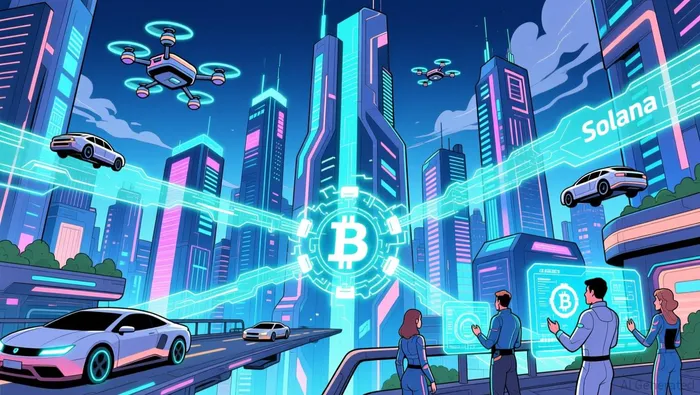
What Does Solana's Technical Infrastructure Mean for Developers and Users?
Solana's architecture is designed to handle high throughput with minimal fees, supporting a wide range of applications including DeFi, NFTs, and consumer apps. The platform uses parallel processing and a cryptographic clock for transaction ordering, enabling faster settlement times compared to other blockchains like EthereumETH--.
Key features such as low base fees and priority fee mechanisms make it cost-effective for frequent transactions and repeated interactions with applications. The network's emphasis on consensus and finalization ensures trust even as transaction speeds increase, making it suitable for both small transfers and large-scale applications.
Solana's infrastructure also benefits from ongoing network upgrades, such as the Firedancer client, which improves throughput and stability during high-traffic periods. These upgrades are critical for maintaining network reliability as more users and developers adopt Solana-based solutions.
How Are Security and Ecosystem Growth Being Enhanced on Solana?
Solana is addressing security and adoption through initiatives like the SolRugDetector system, which identifies rug pulls using on-chain data. In early 2025, it detected 76,469 rug pull tokens from over 100,000 new tokens, demonstrating the platform's commitment to fraud prevention and user protection.
The collaboration with SafePal further strengthens security by providing air-gapped hardware wallets for Solana users. This initiative, part of a $3 million incentive program, includes distributing 30,000 hardware wallets and allocating marketing resources to top-tier DApps. Such efforts aim to build a secure and sustainable ecosystem that supports long-term user engagement.
Additionally, tools like Solscan provide real-time analytics and contract verification, helping traders and developers make informed decisions in the rapidly evolving Solana ecosystem. These tools enhance transparency and usability, reinforcing Solana's appeal for both casual and professional users.
In early March 2026, a large-scale Solana token transfer of 3.2 million SOL from an escrow account to an unknown wallet sparked analysis on potential market impacts. While the transaction does not immediately indicate selling pressure, it highlights the need for ongoing monitoring of large token movements and their potential effects on liquidity and price.
These developments collectively position Solana as a robust and innovative blockchain platform in 2026, with strong fundamentals, growing institutional adoption, and a focus on security and scalability.

Blending traditional trading wisdom with cutting-edge cryptocurrency insights.
Latest Articles
Stay ahead of the market.
Get curated U.S. market news, insights and key dates delivered to your inbox.


AInvest
PRO
AInvest
PRO



Comments
No comments yet